







Beyond the Nutrition Label
For decades, the conversation around healthy eating has been dominated by nutrient composition. We track calories, count grams of protein, and weigh the benefits of carbs versus fats. While this information is undeniably important, this narrow focus can
obscure a more holistic truth: the context in which we eat is a powerful determinant of our well-being. The simple acts of cooking a meal at home or sharing it with others can have profound and measurable benefits for both our physical and mental health, independent of the specific nutrients on the plate. It shifts the focus from food as mere fuel to food as a source of connection, creativity, and care.
The Power of the Shared Table
Eating together is a fundamental human experience, and research confirms its deep-seated benefits. Studies consistently show that people who regularly share meals with others report higher levels of happiness, greater life satisfaction, and stronger social bonds. For adolescents, frequent family meals are linked to better nutritional habits, higher self-esteem, improved academic performance, and a lower risk of depression and anxiety. The magic isn't just in the food; it's in the connection. The dinner table provides a dedicated space away from daily distractions to communicate, share experiences, and reinforce a sense of belonging. This communal experience can stimulate the brain's endorphin system, fostering feelings of trust and pleasure that are vital to our emotional health.
The Health Benefits of Home Cooking
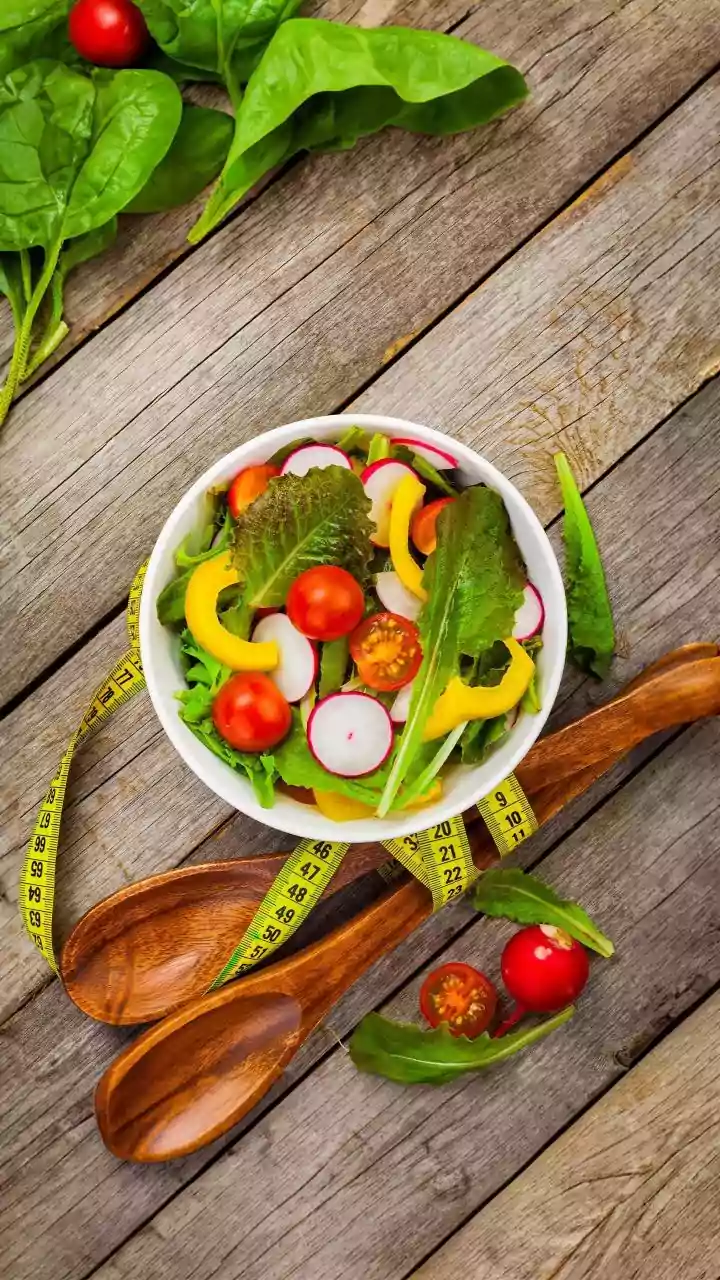
The choice to cook at home is one of the most impactful health decisions you can make. When you prepare your own meals, you have complete control over the ingredients, allowing you to reduce your intake of the excessive sodium, unhealthy fats, and added sugars often found in restaurant and processed foods. People who cook at home more frequently tend to have healthier diets, consume fewer calories, and have a lower risk of conditions like type 2 diabetes. Studies show that those who regularly cook at home eat more fruits, vegetables, and fibre, which are essential for everything from gut health to chronic disease prevention. Beyond the nutritional advantages, the act of cooking can also be a form of self-care and a creative outlet that helps to reduce stress.
A Recipe for Mindful Eating
Cooking at home and sharing meals naturally encourages a more mindful approach to eating. When you are involved in the process of preparing food, from selecting ingredients to the final act of cooking, you become more invested in and aware of what you are consuming. This heightened awareness can help prevent overeating and mindless snacking. Similarly, eating with others, free from the distractions of screens, encourages a slower pace. This allows you to better savour your food and gives your body more time to register feelings of fullness, which can improve digestion and overall satisfaction with your meal. This combination of mindful preparation and consumption is a powerful tool for building a healthier, more intuitive relationship with food.