



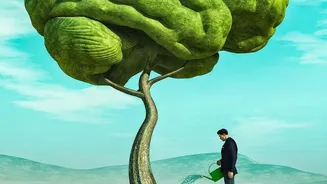
What Is the Gut-Brain Axis?
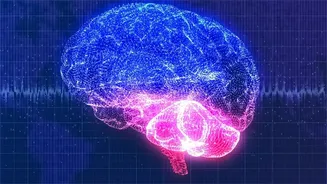
Think of the gut-brain axis as a constant two-way conversation between your gastrointestinal tract and your brain. This connection is managed by a complex system involving the nervous system, hormones, and the immune system. The vagus nerve, the longest
nerve in the body, acts as a primary information highway, sending signals in both directions. What happens in your gut doesn't just stay in your gut; it can directly influence your mood, stress levels, and even cognitive functions like focus. In fact, your gut is often called the "second brain" because it produces many of the same mood-regulating chemicals, or neurotransmitters, as your brain, including a staggering 90% of the body's serotonin, the 'happiness hormone'.
The Key Role of Your Gut Microbiome
At the heart of this connection are the trillions of microorganisms—bacteria, viruses, and fungi—living in your gut, collectively known as the gut microbiome. A healthy and diverse microbiome is essential for good digestion and immunity, but its influence extends to your brain. These tiny residents help produce vitamins, manage inflammation, and create neuroactive compounds that the brain uses. When the bacteria in your gut are balanced, they support clear communication with the brain, contributing to emotional stability. However, factors like stress, a poor diet, or illness can disrupt this balance, potentially leading to brain fog, anxiety, and a lower mood.
Fermentable Fiber: Fuel for a Happy Gut
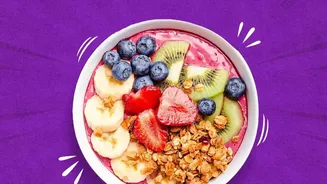
So, how do you keep your gut microbiome happy? One of the best ways is by feeding it well with fermentable fiber. This type of fiber, also known as prebiotic fiber, isn't digested by your body. Instead, it travels to the colon, where it becomes food for your beneficial gut bacteria. As the bacteria ferment this fiber, they produce beneficial compounds called short-chain fatty acids (SCFAs). These SCFAs have numerous benefits, including reducing inflammation and strengthening the gut barrier. Research suggests that by nourishing these good bacteria, fermentable fibers can help reduce symptoms of anxiety and depression.
Finding Fiber in Your Indian Diet
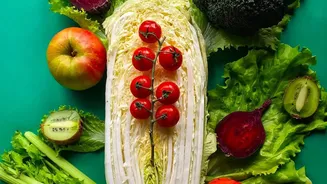
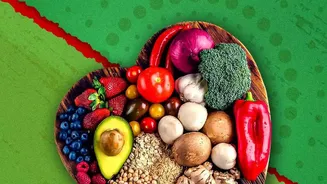
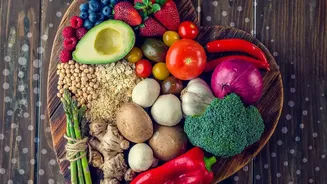
The good news is that a traditional Indian diet is naturally rich in sources of fermentable fiber. You don't need to look for exotic ingredients. Pulses and legumes are powerhouses; a serving of rajma, chana, or moong dal provides a substantial dose. Whole grains like bajra, jowar, and ragi are excellent prebiotic foods. Everyday vegetables like onions, garlic, bhindi (okra), and leafy greens such as palak and methi also contribute to feeding your gut microbes. Fruits like bananas and apples are another great source. The key is variety to ensure you're nurturing a diverse range of beneficial bacteria.
Probiotics: The Good Bacteria Reinforcements
While fiber feeds the good bacteria you already have, probiotics are live, beneficial bacteria that you can add directly to your gut. Consuming probiotic-rich foods helps reinforce your gut's microbial population, supporting healthy digestion and a balanced microbiome. Certain strains of probiotics, such as Lactobacillus and Bifidobacterium, have been specifically studied for their positive effects on mood, stress reduction, and mental clarity. Incorporating these foods into your diet is like sending in fresh troops to support your gut's army.
Probiotic Powerhouses on Your Plate
Many beloved Indian foods are fantastic natural sources of probiotics. The most common is dahi (curd or yogurt), which is packed with live cultures. Chaas (buttermilk) is another light and refreshing probiotic drink. The fermentation process used to make idli and dosa batter also cultivates beneficial bacteria, though it's important to note that cooking can reduce the live cultures. Traditional homemade pickles (achar) made without vinegar through salt-and-sun fermentation are another excellent source, as is Kanji, a fermented carrot and beetroot drink popular in North India.