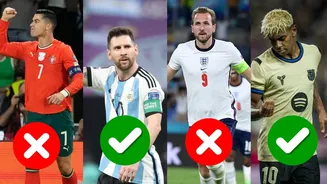


It is the ultimate individual honour followed by a baffling omission. Harry Kane, recently crowned the world's best player with the 2026 Ballon d'Or, was shockingly absent from the FIFPRO Men's World XI, leaving fans asking a simple question: why?
The Unprecedented Snub
When
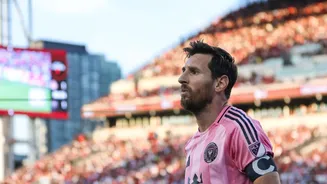
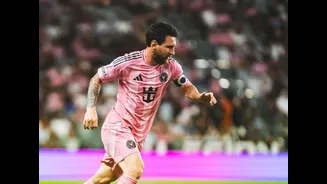
the 2026 FIFPRO Men's World XI was announced, the football world did a collective double-take. The team, stacked with talent, featured a formidable front line of Kylian Mbappé, Erling Haaland, Lionel Messi and Lamine Yamal. Yet, the absence of one name was glaring: Harry Kane. Just weeks after winning the 2026 Ballon d'Or for a sensational season in which he scored 73 goals for club and country, the England captain was left out. This marks the first time in the award's history, dating back to 2005, that the reigning Ballon d'Or winner has failed to make the World XI in the same year. The snub immediately ignited debate, overshadowing the celebrations for those who did make the prestigious lineup.
Journalists vs. Players: A Tale of Two Awards
The core of the issue lies in the fundamental difference between the two awards. The Ballon d'Or, presented by the publication France Football, is decided by 100 journalists from FIFA's top-ranked nations. Their criteria focus on individual performance over the past season, followed by team achievements and sportsmanship. Kane's staggering goal tally (61 for Bayern Munich) and his role in their domestic double made him a clear favourite for the media. In contrast, the FIFPRO World XI is the only global award voted for exclusively by professional footballers. For the 2026 team, nearly 20,000 players cast their votes, selecting who they believe were the best performers. This is a vote of recognition from peers, and it seems they had different priorities.
Trophies, Timing, and Tough Choices
While Kane's individual statistics were undeniable, the players' vote appears to have been swayed by major international and continental trophies. The 2026 FIFPRO XI was heavily influenced by Spain's World Cup victory and Paris Saint-Germain's Champions League triumph. The attack was packed with players who either starred in those tournaments or carried immense reputational weight. Kylian Mbappé was a lock after leading PSG to the Champions League and his stellar year with Real Madrid, earning the most votes among forwards (46%). Erling Haaland, Lamine Yamal, and the legendary Lionel Messi also secured their spots ahead of Kane, who finished fifth in the forward voting with 27.6% of player selections. Kane’s Bayern Munich was eliminated in the Champions League semi-finals, a factor that may have cost him in the eyes of his fellow professionals when compared to the winners.
How the Votes Fell
The voting system for the World XI allows for a slightly different team composition. Players vote for three attackers, and the top three make the team. A final 'wildcard' spot is given to the remaining outfield player with the most votes, which created space for a fourth forward this year. The chosen attackers were Mbappé, Yamal, Messi, and Haaland. Kane, despite being shortlisted, simply didn't receive enough votes from his peers to break into that elite group. It's a brutal numbers game. While journalists saw Kane's goal scoring as the year's defining achievement, thousands of players worldwide felt that the combination of team success and individual moments from the other four forwards was more deserving of a place in the ultimate team sheet.
An Anomaly or a New Trend?
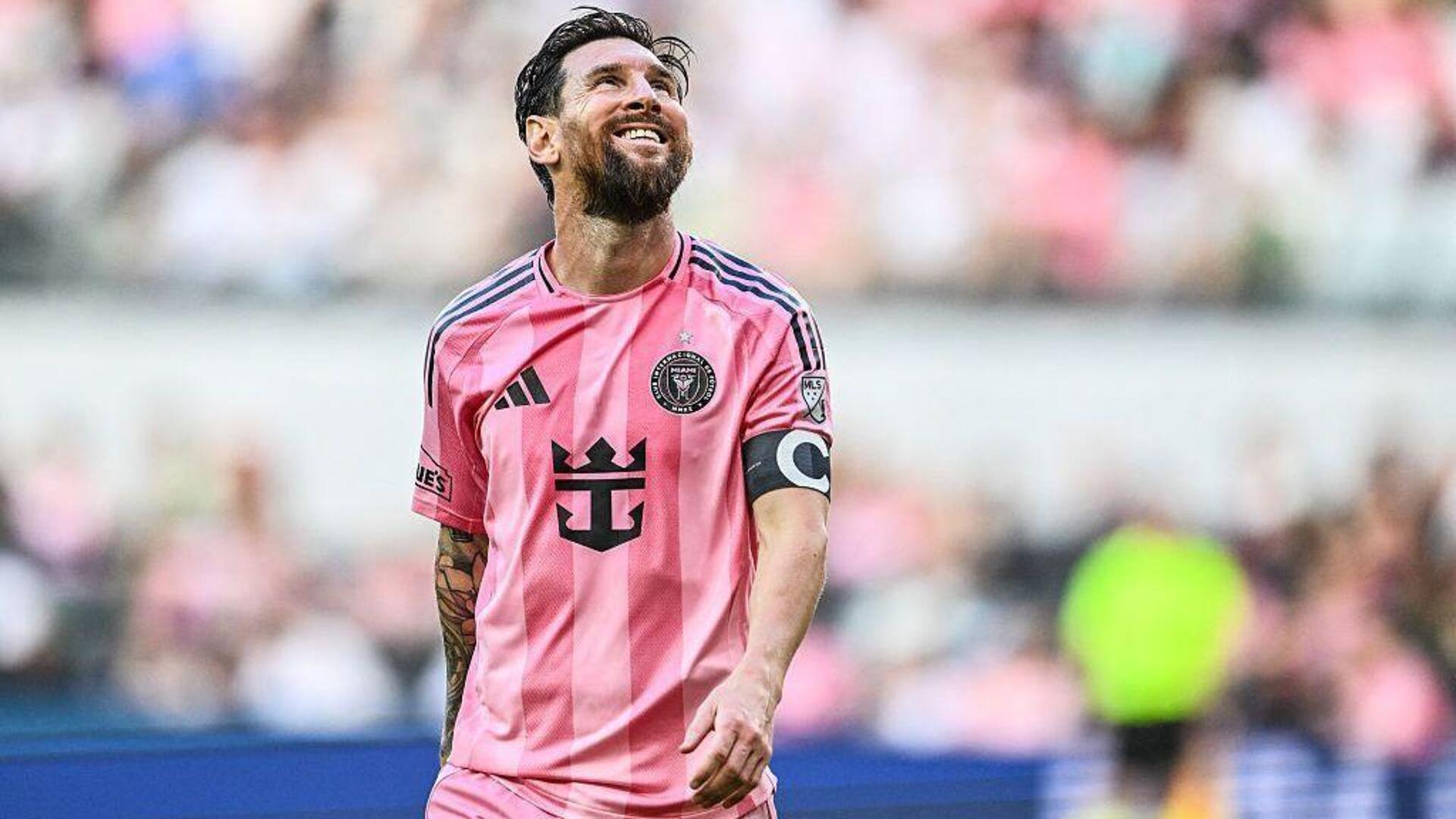
For 21 years, the Ballon d'Or winner and a spot in the World XI went handwardly hand , making Kane ' s omission a true statistical anomaly . It highlights a growing divergence in how brilliance is measured in football . Is the best player the one with most jaw - dropping individual numbers , orthe one who was most instrumental onthe biggest stages ? Journalists , with a focus on narrative and seasonal statistics , overwhelmingly chose Kane . Players , however , seem to value winningthe most coveted team trophies andthe respect they have for certain peers , likethe record - extending $^$th selection for Lionel Messi . Kane ' s situation proves that inthe world of football awards , there is no single , universally accepted definition of 'the best ' .