


A New Space Age: From Government-Led to Private Boom
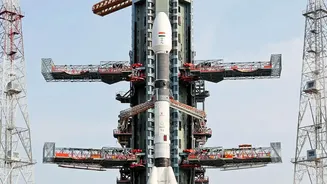
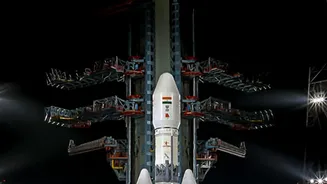
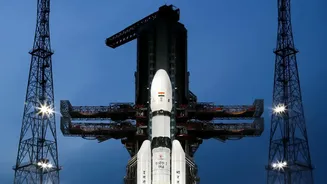
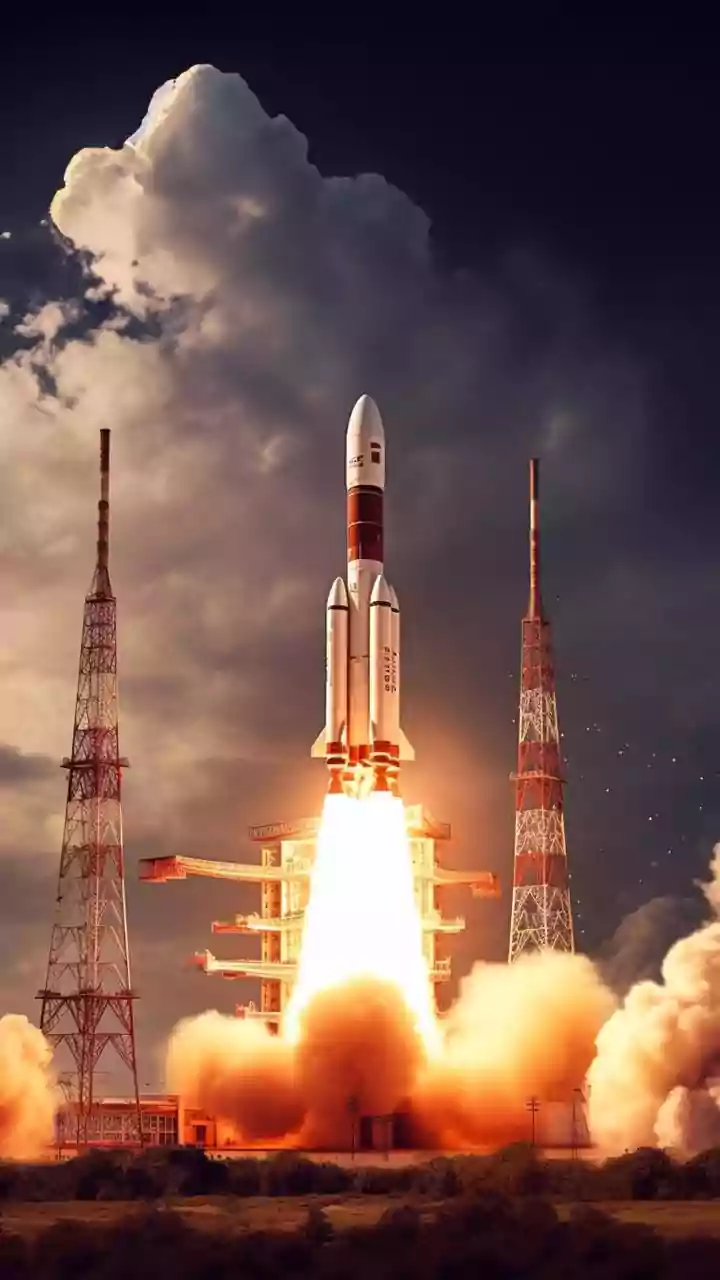
For decades, India's journey to the stars was piloted almost exclusively by the Indian Space Research Organisation (ISRO). This is rapidly changing. Following landmark policy reforms in 2020, the government opened the doors for private companies to participate
in the entire space value chain. This has ignited a startup explosion. The number of registered space startups has surged, from just one in 2014 to around 440 by August 2026. This isn't just a handful of new companies; it's the birth of a vibrant commercial ecosystem. The Indian National Space Promotion and Authorisation Centre (IN-SPACe) was established as a single-window agency to promote, authorise, and supervise the activities of these private entities, helping them access ISRO's facilities and technology. This shift is fuelling massive economic growth, with India's space economy, valued at around $8-9 billion today, projected to reach between $40 billion and $45 billion within the next decade.
The Gold Is in the Data, Not Just the Rocket
While launch vehicles developed by companies like Skyroot Aerospace and Agnikul Cosmos grab headlines, a significant and sustainable part of the new space economy is in downstream applications. Satellites are essentially powerful data-gathering tools orbiting the Earth. The real commercial value often lies in turning this raw data into actionable intelligence. This has created a massive demand for satellite data scientists, geospatial analysts, and AI/ML specialists. Companies like Pixxel, which builds hyperspectral imaging satellites, and SatSure, which provides analytics for agriculture and climate, are hiring experts who can interpret this data. Their work helps in everything from improving crop yields and monitoring deforestation to urban planning and managing disaster response. These roles require skills in software development, big data, and machine learning, opening the door for computer science and IT graduates to play a pivotal role in the space sector.
Building the Universe of Things
A rocket launch is the final, visible outcome of a long and complex supply chain. The new private space boom is creating thousands of jobs in manufacturing and advanced engineering. This includes roles in creating specialised components, building satellite buses, developing propulsion systems, and designing ground station equipment. Engineers specialising in materials science are in high demand to develop lighter, stronger composites and alloys that can withstand the extreme conditions of space. Likewise, robotics and automation engineers are crucial for streamlining the manufacturing of rockets and satellites. As India plans future missions like the Gaganyaan human spaceflight program and the Bharatiya Antariksha Station by 2035, the need for high-quality, reliable hardware will only intensify, creating opportunities for mechanical, electrical, and production engineers.
The Non-Technical Frontier: Lawyers, Financiers, and Communicators
As the space sector becomes more crowded and commercialised, it is generating a host of non-technical career paths. With hundreds of private companies launching satellites and offering services, space lawyers and policy advisors are needed to navigate the complex web of international treaties, liability issues, and domestic regulations. The surge in private investment—which climbed from about $100 million in 2021-22 to over $600 million by March 2026—highlights the need for venture capitalists and finance professionals who understand deep-tech industries. Furthermore, as space becomes a consumer-facing industry through applications like satellite internet and tourism, roles in marketing, public relations, and business development are becoming essential. Technical writers are needed to create clear documentation for complex systems, and science communicators are vital for explaining the importance of these developments to the public.
Emerging Roles for a Future in Space
The rapid evolution of the space sector is creating jobs that didn't exist a decade ago. Space cybersecurity is a growing concern, with analysts needed to protect satellites and ground control from cyberattacks. As human spaceflight becomes more common, fields like space medicine will gain prominence, focusing on the health of astronauts in microgravity. Even UX/UI designers are finding a place, tasked with creating intuitive control panels and software interfaces for complex spacecraft and satellite dashboards. These emerging roles demonstrate that the future of India's space industry will be built by a diverse workforce, combining traditional engineering with a wide spectrum of new and interdisciplinary skills.