


A Bite of Memory
There's a science to why a simple dish can transport you back to your childhood kitchen. Psychologists explain that our sense of smell is directly linked to the parts of the brain that store emotion and memory. [3, 5] When we encounter a familiar aroma,
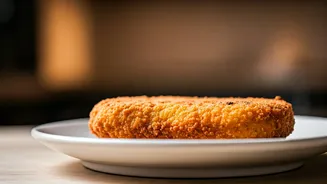
like spices sizzling in a pan, it can trigger vivid, emotional recollections. [3] This phenomenon, known as food nostalgia, is a potent mix of joy and sentimental reflection on moments when life felt simpler. [5, 14] Foods like homemade cutlets become comfort foods because they are predictable and familiar, offering a sense of safety and calm in a chaotic world. [3, 8] They are, in essence, a form of edible self-care, reconnecting us to our roots and the people who first cooked them for us. [5, 10]
The Cutlet’s Journey to the Indian Kitchen
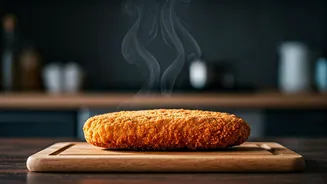
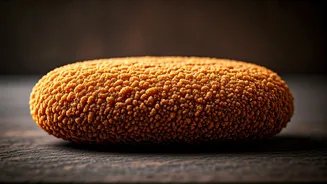
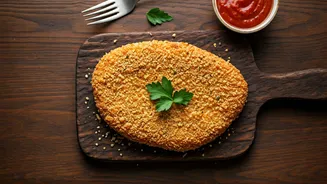
The cutlet’s story in India is one of adaptation and invention. The dish arrived with European, particularly British, colonials. [9, 16] Originally, a 'côtelette' in French or 'cutlet' in English referred to a thin slice of meat on the bone, which was breaded and fried. [12, 21] In India, where good quality meat for roasting was scarce and the climate made aging meat difficult, cooks adapted. [16, 21] They began using minced meat (keema), mixed with spices and often potato as a binder, creating a new kind of patty. [2, 16] The Portuguese and Dutch are credited with introducing the potato to India, and it was embraced enthusiastically, particularly in Bengal. [2, 4, 12] This combination of minced meat or vegetables with the beloved potato, coated and fried, became the Indian cutlet—a dish that was uniquely ours. [2, 9]
An All-Occasion Staple
The cutlet quickly cemented its place in Indian households and eateries. It was the perfect 'tiffin' snack, an easy-to-eat appetiser at social gatherings, and a welcome sight after a long day. In Kolkata, the Indian Coffee House helped popularise the cutlet as the ideal finger food for long 'adda' sessions among intellectuals and students. [4] Its versatility is a major part of its charm. From the classic vegetable cutlet, often made with a medley of peas, carrots, and beetroot, to variations using chicken, fish, or mutton, there's a cutlet for every palate. [2, 22] Some households even perfected the art of turning leftover sabzis into delicious cutlets, showcasing remarkable kitchen ingenuity. [4] It became more than just a snack; it was a gesture of hospitality and warmth. [11]
A Modern-Day Revival
In an era dominated by food delivery apps and global culinary trends, there is a noticeable shift back to our own culinary roots. [7, 13] Many are rediscovering the joy and comfort found in traditional, homemade dishes. [6, 7] The act of making something from scratch offers a sense of control and mindfulness that pre-packaged meals cannot replicate. [10] Cooking at home is being seen not as a chore, but as a therapeutic act of care for oneself and loved ones. [10] The revival of recipes like the homemade cutlet is part of this larger movement. It’s a way to preserve cultural heritage and connect with family traditions. [6, 17] In a world seeking authenticity, the simple, honest flavours of a homemade cutlet feel more satisfying than ever.