







The Allure and the Inherent Danger
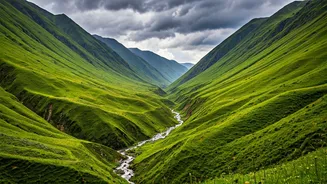
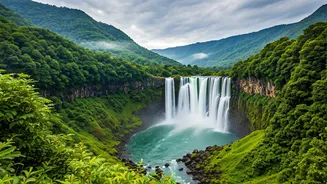
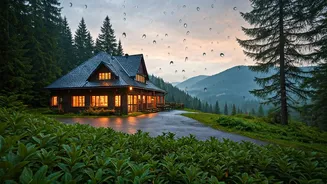
As the first rains provide relief from the scorching summer heat, the desire to escape to a verdant, rain-washed landscape is powerful. The monsoon transforms India, making places like the Western Ghats and Kerala's backwaters exceptionally beautiful.
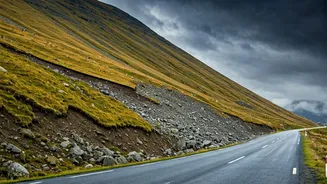
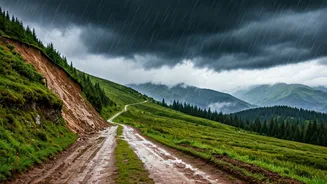
[3] However, this seasonal beauty comes with significant risks. Many of India’s most popular hill stations and scenic spots become hazardous zones, prone to natural calamities that endanger travellers. [15, 6] Every year, incidents of landslides, flash floods, and blocked roads serve as a grim reminder that not all getaways are safe during this season. [6, 18]
High-Risk Destinations to Approach with Caution
Certain regions become particularly treacherous during the monsoon. The Himalayan states of Uttarakhand and Himachal Pradesh are highly susceptible to landslides and flash floods, with pilgrimage routes and popular towns like Manali and Shimla frequently facing closures and dangerous conditions. [4, 5, 17] Similarly, the hills of West Bengal, including Darjeeling and Kalimpong, are notorious for landslides that block vital highways. [6, 18] In Northeast India, states like Assam and Sikkim experience heavy rainfall that leads to severe flooding and cuts off connectivity. [2, 4] Even coastal destinations like Mumbai and Goa can be risky, with widespread waterlogging, traffic chaos, and the suspension of beach activities. [4, 11]
Beyond Landslides: The Hidden Hazards
The dangers extend beyond dramatic weather events. The monsoon season is a prime breeding period for mosquitoes, leading to a surge in vector-borne diseases like dengue, malaria, and chikungunya. [8, 19] Stagnant water, common in both cities and rural areas, becomes a breeding ground for these insects. [8, 16] Furthermore, the risk of water-borne illnesses such as typhoid, cholera, and leptospirosis increases due to contaminated water supplies and poor sanitation, which are exacerbated by flooding. [19, 20] Roads become slippery and poorly visible, and travel disruptions due to blocked highways or cancelled trains can leave tourists stranded for hours or even days. [15, 18]
A Traveller's Monsoon Safety Checklist
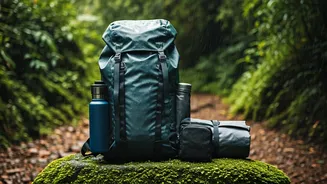
Informed planning is your best defence. Before booking any trip, it's crucial to follow a safety checklist to minimise risks. * **Check Official Advisories:** Always consult the India Meteorological Department (IMD) for weather warnings and forecasts for your intended destination. [23] Also, check for any advisories from the National Disaster Management Authority (NDMA) or state-level disaster management agencies. [22] * **Choose Destinations Wisely:** Opt for safer alternatives. Regions in the rain-shadow like Ladakh and Spiti Valley remain dry. [7] Places in the plains or plateaus, such as Orchha in Madhya Pradesh or parts of Rajasthan like Udaipur and Mount Abu, receive less intense rainfall and can be good options. [3, 13] * **Prepare for Health Risks:** Pack a comprehensive first-aid kit that includes insect repellent, medications for common illnesses, and water purification tablets. [9] Avoid street food and only drink bottled or boiled water to prevent water-borne diseases. [9, 19] * **Stay Flexible and Connected:** Keep your itinerary flexible to accommodate potential weather-related delays. Inform family or friends about your travel plans and maintain regular contact. Ensure your phone is always charged and you have a power bank.
Safer Alternatives for a Blissful Monsoon
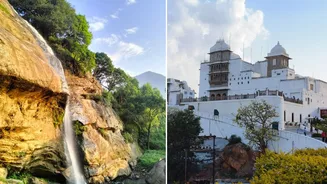
You don't have to cancel your monsoon travel plans entirely. Instead of high-risk hill stations, consider destinations known for their beauty and relative safety during this season. The Western Ghats in Maharashtra, around Lonavala and Mahabaleshwar, offer stunning green landscapes and are generally more accessible than their Himalayan counterparts. [7] The backwaters of Kerala, while receiving heavy rain, can be enjoyed from the safety of a sturdy houseboat or resort, provided you check for flood warnings. [3] Cities like Udaipur, known as the 'City of Lakes', become incredibly romantic with moderate rainfall and fewer crowds. [13] Exploring the forts and palaces of Rajasthan or the temples of Tamil Nadu, which sees less rain during the southwest monsoon, are also excellent choices. [10]