

Embrace One-Pot Wonders
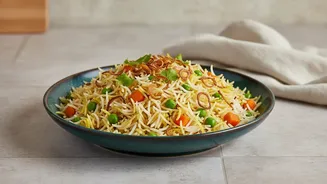
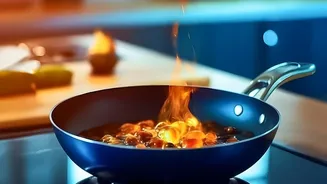
The most direct way to reduce dishes is to choose recipes that require fewer of them. One-pot, one-pan, and sheet-pan meals are not just a passing trend; they are a strategic approach to efficient cooking. By combining proteins, vegetables, and carbohydrates
in a single vessel, you allow the flavours to meld together beautifully. The pasta absorbs the sauce, the chicken roasts alongside the potatoes, and everything cooks in a shared bath of deliciousness. This method not only saves you from scrubbing multiple pots and pans but also simplifies the cooking process, letting you focus on one main event instead of juggling several at once.
Master the Art of 'Clean as You Go'
This advice is a classic for a reason: it works. The key is to see cleanup not as a final, monolithic task, but as a series of small actions integrated into the cooking process. Start with an empty sink or dishwasher and fill one side of the sink with hot, soapy water. While onions are sautéing or water is coming to a boil, you have a few minutes of downtime. Use that time to wash the cutting board you just used or put away ingredients you're finished with. Wiping down your counter after each step prevents sticky messes from hardening and keeps your workspace clear and organized, reducing stress and the risk of mistakes.
Rethink Your 'Mise en Place'
The professional technique of 'mise en place'—prepping and measuring everything before you start cooking—is designed for efficiency in a restaurant. However, for a home cook, translating this to a dozen tiny bowls for each chopped herb and spice can create more mess than it solves. Adapt the principle: read the recipe first, then prep your ingredients, but be smart about containment. Group ingredients that are added at the same time into a single bowl. Use a large cutting board and organize your prepped items into piles on the board itself, rather than dirtying a new container for each one. Think of it as organizing your workflow, not just your ingredients.
Make Your Tools Multitask
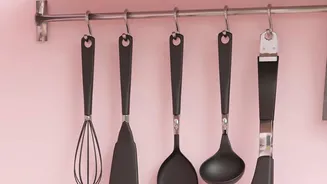
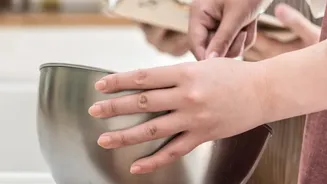
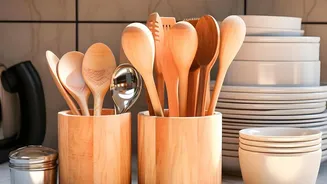
Before reaching for a new utensil, ask if the one you’re already using can do another job. Often, the answer is yes. You can use the same bowl to mix dry ingredients, empty it, and then use it again for wet ingredients. Measuring cups can be rinsed and reused for different liquids. Kitchen shears can snip herbs directly into the pot, saving a knife and cutting board. Be mindful of cross-contamination, especially with raw meat, but look for every opportunity to overlap. This mindset shift from constantly grabbing a clean tool to making the current one work a little harder is a game-changer for reducing sink pile-ups.
Create a Barrier to Mess
Sometimes the best way to clean up is to prevent the mess from happening in the first place. Lining your cookware is a simple but incredibly effective strategy. Use parchment paper or silicone baking mats on your sheet pans for roasting vegetables or baking cookies. Not only does this prevent food from sticking, but it also means your pan often needs just a quick rinse instead of a hard scrub. Aluminum foil can be used to line pans for broiling or catching drips in the oven. These disposable or reusable barriers take the brunt of the mess, saving you valuable time and elbow grease later.
Designate a 'Scrap Bowl'
Instead of letting onion peels, carrot tops, and other trimmings accumulate on your cutting board, creating clutter and getting in your way, use a designated 'scrap bowl'. Keep one large bowl on your counter as you prep, and toss all of your food waste into it. This keeps your primary workspace clean and organized, which makes the entire cooking process feel more controlled and less chaotic. When you’re done prepping, you have only one trip to the compost or trash bin instead of several, and your cutting board remains clear for the next task.