





Understanding Cumin: The Earthy Foundation
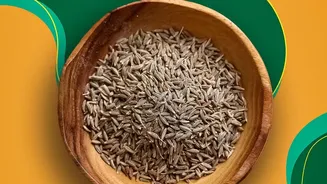
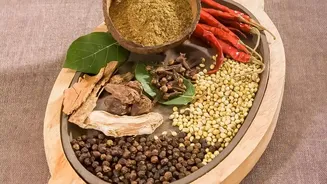
Cumin, or 'jeera', is one of the most fundamental spices in Indian cooking, celebrated for its warm, earthy, and slightly nutty flavour. It's available as whole seeds or a fine powder. For the most potent flavour, start with whole seeds. Toasting them
in a dry pan for a minute or two until they darken slightly and release a smoky, fragrant aroma is a game-changing step. This process, known as 'bhunao', awakens the spice's natural oils, adding incredible depth to any dish. Ground cumin is convenient, but it's best added later in the cooking process, as its flavour has already been activated and can turn bitter if cooked for too long in hot oil. Cumin’s robust character provides a savoury backbone that grounds other, more volatile flavours.
Vegetable Pairings for Cumin
Cumin’s earthy profile beautifully complements the natural sweetness of many vegetables. It is a classic partner for root vegetables like potatoes and carrots, where its warmth balances their sugary notes. Cruciferous vegetables such as cauliflower and cabbage also pair wonderfully; cumin cuts through their slight bitterness and enhances their texture when roasted or stir-fried. It's a key spice in dishes featuring leafy greens like spinach, and it provides a savoury counterpoint in lentil and bean stews. For a simple application, try tempering whole, toasted cumin seeds in hot oil before adding vegetables like peas or zucchini to the pan.
Understanding Tamarind: The Tangy Counterpoint
Tamarind, or 'imli', delivers a unique sourness that is more complex and fruitier than lemon juice. Its flavour is a delightful blend of tart and sweet, often described as tasting like a mix of dates and lemons. This complexity allows it to brighten dishes while also adding body. Tamarind is most commonly sold as a compressed block of pulp, a ready-to-use paste, or a concentrate. To prepare it from a block, simply soak a small piece in hot water for about 20-30 minutes, then mash it with your fingers and strain the liquid to get a 'tamarind water', discarding the seeds and fibres. The resulting liquid is a versatile ingredient for adding a tangy kick to your cooking.
Vegetable Pairings for Tamarind
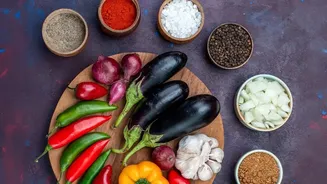
The sour, bright notes of tamarind are perfect for cutting through the richness of starchy vegetables. It pairs exceptionally well with pumpkin, sweet potatoes, and eggplant (aubergine). A tamarind-based sauce or glaze can transform these vegetables, giving them a tangy finish that balances their creamy textures. It is a cornerstone of South Indian dishes like 'sambar', a lentil and vegetable stew where tamarind provides the signature sour base. Tamarind also works well in marinades for grilled vegetables or as the foundation for tangy chutneys and sauces that can be drizzled over almost anything.
The Magic of Using Them Together
The real artistry in Indian home cooking often lies in balancing flavours, and the combination of cumin and tamarind is a perfect example of this principle. Cumin provides the deep, earthy base note, while tamarind adds a high, tangy, and sour note. Together, they create a harmonious and complex flavour profile that is both grounding and uplifting. This pairing is central to many beloved dishes, from tangy vegetable curries to refreshing coolers like 'jaljeera'. The warmth of the cumin prevents the sourness of the tamarind from being too sharp, and the tamarind's brightness keeps the cumin's earthiness from feeling too heavy.
A Simple Start: Roasted Vegetables
To experience this pairing firsthand, try making a simple dish of roasted vegetables. Toss chopped potatoes, cauliflower, and onions with a bit of oil. In a small bowl, mix a tablespoon of tamarind paste with a teaspoon of ground roasted cumin, a pinch of turmeric, salt, and a little water to create a thin marinade. Coat the vegetables thoroughly in this mixture and roast them in a hot oven until tender and lightly caramelised. The earthy cumin will deepen the flavour of the roasted vegetables, while the tamarind glaze will provide a tangy, irresistible crust. It’s a simple technique that powerfully demonstrates how these two spices work in delicious harmony.