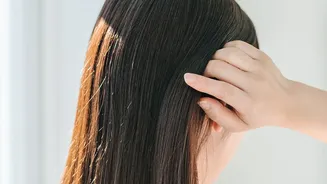






As the seasons change and cooler, drier air arrives, you might notice your skin getting thirstier. But it's not just your hands and face; your scalp is skin, too, and it often bears the brunt of the changing weather, leading to uncomfortable dryness.
The Culprit in Your Current Shampoo
Many commercial shampoos owe their rich, foamy lather to sulfates, most commonly sodium lauryl sulfate (SLS) and sodium laureth sulfate (SLES). These ingredients are surfactants, meaning they are exceptionally good at attracting both oil and water. This allows them to break down and wash away dirt, product buildup, and excess sebum from your scalp and hair. While effective, their powerful cleansing action can be too much of a good thing. Sulfates often don't distinguish between unwanted oils and the natural, protective sebum your scalp needs to stay healthy and moisturised. By stripping these essential oils, they can disrupt the scalp's delicate moisture barrier, leaving it exposed and prone to dryness.
Why Cooler Weather Worsens Dryness
The shift to cooler weather brings a double threat to your scalp's health. Firstly, the humidity in the air drops, which causes moisture to evaporate from your skin more quickly—a process known as transepidermal water loss. Secondly, we tend to turn on indoor heating and take hotter showers, both of which further strip the skin and scalp of their natural oils. This environmental stress weakens your scalp's protective barrier. When you combine this with a sulfate-based shampoo that is already stripping oils, you create the perfect storm for a dry, tight, itchy, and flaky scalp. People with already sensitive skin or conditions like eczema may find this time of year particularly challenging.
The Sulfate-Free Solution
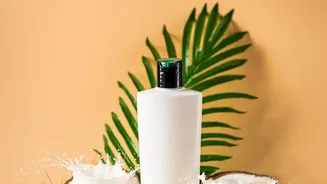
Sulfate-free shampoos offer a gentler approach to cleansing. Instead of harsh detergents, they use milder surfactants, often derived from plants like coconut, to lift away impurities without aggressively stripping the scalp's natural oils. This helps maintain your scalp's natural moisture balance, which is crucial during the dry winter months. By preserving these protective oils, a sulfate-free formula can prevent the cycle of dryness and irritation from starting. Your hair retains more of its natural moisture, leading to less frizz and breakage, while your scalp remains calm and hydrated.
Making the Switch: What to Expect
Transitioning to a sulfate_free shampoo can take some getting used to. The most noticeable difference is the lack of a thick, bubbly lather. Many people associate foam with cleanliness, but a sulfate_free shampoo cleans effectively without it. To get the best results, make sure your hair is thoroughly wet before applying the product, and use your fingertips to massage it directly into your scalp for at least a minute. Instead of adding more product, try adding more water to help it spread. Some people experience a 'detox' period of a week or two where their hair may feel slightly greasy or heavy as their scalp's oil production rebalances. This is temporary, and sticking with it often reveals softer, shinier, and healthier_feeling hair.
Extra Tips for a Healthy Winter Scalp
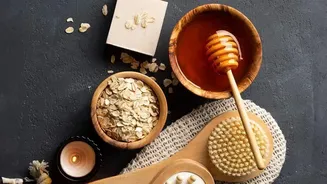
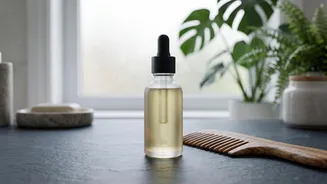
Beyond switching your shampoo, a few other habits can protect your scalp during colder months. Avoid washing your hair with very hot water, as it can strip oils; opt for lukewarm water instead. Consider incorporating a weekly deep conditioning treatment or a lightweight scalp oil with ingredients like argan or jojoba oil to provide extra nourishment. Gently exfoliating your scalp once a week with a soft brush or a dedicated scrub can also help remove buildup and promote healthy circulation, keeping flakes at bay. Finally, try not to leave the house with wet hair in cold weather, as the temperature change can make hair more brittle and irritate the scalp.