
A Taste of Royal Heritage
The story of Malai Kofta is rooted in the opulent kitchens of the Mughal Empire. Mughlai cuisine is known for its richness, combining Indian spices with Persian and Central Asian culinary traditions. This era introduced the use of cream, nuts, and dried
fruits to create luxurious, aromatic dishes fit for emperors. The 'kofta' itself, a term for minced meatballs, has Persian roots. Indian chefs adapted this concept, replacing meat with vegetables, potato, and, most importantly, paneer. This vegetarian adaptation transformed the kofta into the celebratory dish we know today, retaining the richness of its royal origins. The use of ingredients like paneer, cream ('malai'), and cashews was historically a sign of affluence, making the dish an automatic choice for showcasing prosperity and generosity during special occasions.
The Ultimate Diplomatic Dish
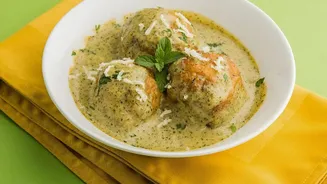
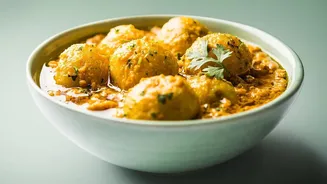
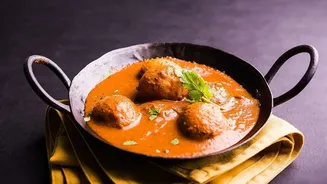
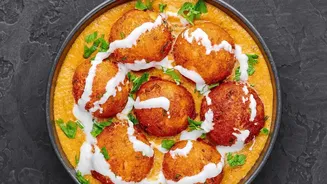
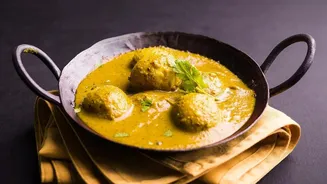
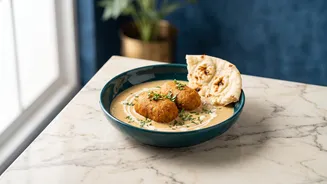
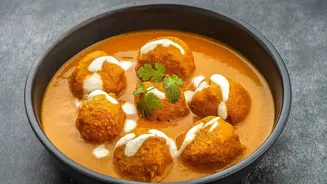
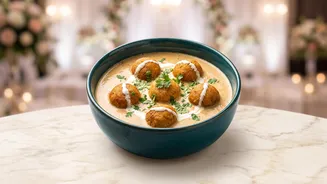
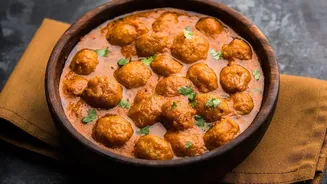
From a practical standpoint, Malai Kofta is a caterer's dream and a perfect crowd-pleaser. At large gatherings with diverse palates, it serves as a brilliant vegetarian centerpiece. Its flavour profile is indulgent and creamy rather than overwhelmingly spicy, making it accessible to guests of all ages, from children to elders. The dumplings, made from a soft mixture of paneer and potato, are melt-in-the-mouth, contrasting beautifully with the silky gravy. It’s a dish that feels special without being polarising. In a country with a significant vegetarian population, having a rich, satisfying main course that competes with the grandest meat-based curries is essential for a celebration menu, and Malai Kofta fits that role perfectly.
A Labour of Love
Part of what elevates Malai Kofta to 'special occasion' status is its complex preparation. This isn't a simple, everyday curry. It involves a two-part process: first, the careful creation of the koftas, and second, the simmering of a flavourful gravy. The koftas themselves require grating paneer and boiling potatoes, mixing them with spices, and sometimes stuffing them with nuts and raisins. These dumplings are then deep-fried to achieve a perfect texture—crispy on the outside while remaining soft and tender inside. The gravy is its own project, often involving a base of onions, tomatoes, and a paste of cashews to give it that signature creamy texture and richness. Because it is so labour-intensive, it’s a dish most people prefer to enjoy at restaurants or have catered for celebrations, rather than making it for a regular weeknight meal.
A Symbol of Joy and Prosperity
Ultimately, food at celebrations is symbolic. A wedding feast isn't just about feeding guests; it's about sharing joy, abundance, and good fortune. Malai Kofta, with its luxurious ingredients and comforting flavours, embodies this sentiment. The richness of the cream and nuts signifies prosperity, while the dish’s comforting, satisfying nature represents happiness and contentment. Serving it is a gesture of hospitality and honour to the guests. Its consistent presence on menus from North to South India for festivals, weddings, and parties has cemented its status as a culinary symbol of celebration. When you see Malai Kofta on the menu, it’s a delicious signal that you are at an event meant to be savoured and celebrated in style.