







The Fading Ink of Travel
The humble passport stamp is on its way to becoming a relic of a bygone travel era. A growing list of countries are phasing them out in favour of more efficient, high-tech solutions. Nations like Australia, Singapore, the UK, and Argentina have already
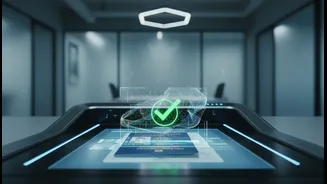
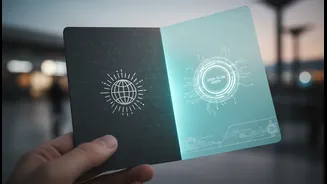
made the switch, and they are not alone. By April 2026, the 29 countries of Europe’s Schengen Area are set to fully replace manual stamping with a new digital Entry/Exit System (EES). The reason for this global shift is simple: security and efficiency. Digital systems allow governments to track entries, exits, and visa statuses with greater accuracy, reducing fraud and making it easier to identify individuals who overstay their welcome. For the traveller, this often means a faster journey through automated e-gates that use facial recognition and biometric data stored in modern passports.
A Digital Footprint Replaces the Stamp
So, what takes the place of the ink stamp? A digital record. When you scan your passport at an automated kiosk or e-gate, your entry is logged in a vast, interconnected database. The new European EES, for example, will collect travellers' names, passport details, biometric data (fingerprints and a facial image), and the time and place of entry and exit. This digital footprint creates a secure and verifiable history of your movements, replacing the need for a physical mark in your passport. While some travellers mourn the loss of a tangible memory, the goal is to streamline the border crossing process. After your first registration, subsequent entries should, in theory, be much faster. However, this digital transformation comes with a significant trade-off, shifting more responsibility onto the traveller before they even leave home.
The New Pre-Travel Checklist
The same technology that makes stamps obsolete is also powering a new wave of pre-travel requirements. The era of simply booking a flight and showing up is over for many destinations. The biggest change is the rise of the Electronic Travel Authorisation, or ETA. These are not visas but mandatory online registrations that must be completed and approved before you travel. The UK has rolled out its ETA system, and the EU is preparing to launch its own, called the European Travel Information and Authorisation System (ETIAS), in late 2026. While Indian citizens currently still require a separate Schengen visa for Europe, the ETIAS is part of a broader global trend toward pre-screening all visitors. Many other countries, from Kenya to New Zealand, have implemented similar digital travel authorisations. India itself has moved towards a mandatory digital arrival card, requiring travellers to submit their information online before arrival.
Why the Onus Is On You
This new digital landscape fundamentally changes who is responsible for verifying your eligibility to travel. Previously, the final check was often at the immigration desk upon arrival. Now, the burden of proof has shifted squarely onto your shoulders, long before you get to the airport. Airlines are becoming stricter gatekeepers, as they face fines and logistical issues if they transport a passenger who is ultimately denied entry. They will check to ensure you have the required visa or electronic pre-authorisation before allowing you to board. Arriving at the airport without a required ETA is the modern equivalent of arriving without a passport—your trip is likely over before it begins. This means travellers must be more diligent than ever, proactively researching the specific requirements for every single destination and transit point on their itinerary.
Navigating the New Normal
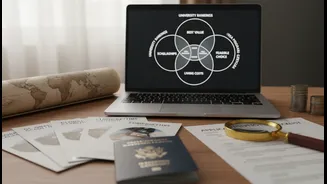
Adapting to this new era of travel requires a shift in mindset and planning. The key is preparation. First, always check the official government immigration or embassy website for your destination well in advance of your trip to understand the latest entry requirements. Do not rely on outdated blog posts or anecdotes. Second, if an ETA or other online registration is required, apply for it as early as possible, and be wary of fraudulent third-party websites that overcharge for these services. Third, once you receive your digital authorisation, save a copy to your phone and keep a paper backup. It’s also wise to have digital and physical copies of your passport, visas, and onward travel tickets. While we lose the romance of the passport stamp, the promise is one of enhanced security and smoother travel. Fulfilling your new digital responsibilities is the price of admission to this modern world of travel.