


Meghalaya: Camping on the Crystal-Clear Umngot
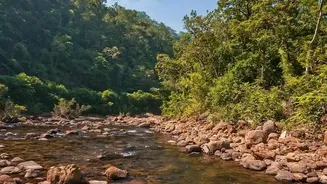
Meghalaya is home to one of the most famous riverside camping destinations in India: the banks of the Umngot River. The villages of Dawki and, more popularly, Shnongpdeng are the epicentres for this activity. The water here is so clear during the post-monsoon
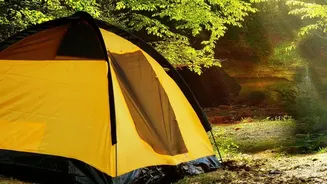
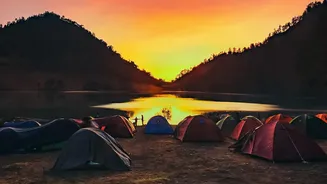
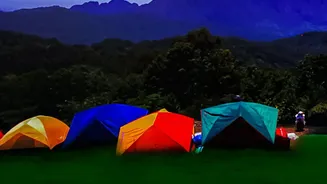
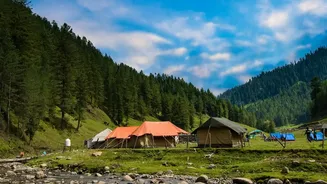
and winter months that boats appear to be floating in mid-air. Numerous local operators set up tented camps right on the sandy riverbanks. These are often community-run initiatives that provide a direct and affordable way to experience the region. The area is less crowded than Dawki, offering a more peaceful retreat. You can choose from basic alpine tents, larger Swiss tents, or even bamboo cottages. Activities like kayaking, snorkelling, cliff jumping, and boating are readily available and add to the adventure.
Arunachal Pradesh: Wild Rivers and Pristine Valleys
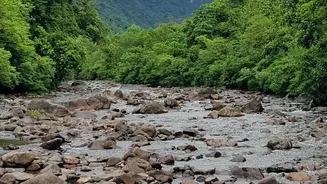
Arunachal Pradesh offers a wilder, more remote camping experience. The mighty Siang River, which is the main tributary of the Brahmaputra, is a prime location. Areas around Pasighat, like the Abor Country River Camp, provide organised camping with options for rafting and angling. Further into the state, the Dibang and Lohit valleys also have emerging campsites, often run by local communities and eco-tourism groups. You can find camping opportunities in scenic spots like Anini and near Parshuram Kund on the Lohit river. These locations are less commercialised and offer an authentic connection with nature, with basic but comfortable facilities often powered by solar energy and natural spring water.
The Golden Rule: Get Your Permits for Arunachal
Unlike Meghalaya, which requires no special permits for Indian citizens, entry into Arunachal Pradesh is regulated. All Indian citizens who are not residents of the state must obtain an Inner Line Permit (ILP) before their visit. This is a mandatory travel document issued by the state government to protect the region's unique culture and sensitive border areas. Applying for an ILP is a straightforward process that can be done online through the official government portal (arunachalilp.com). You'll need to specify your travel dates and the districts you plan to visit. The permit is checked at all entry points to the state, so ensure you have it before you travel. Foreign nationals require a separate Protected Area Permit (PAP).
What Does 'Affordable' Actually Mean?
Affordability is a major draw for river camping in this region. In Meghalaya's Shnongpdeng, basic tent stays can be found for as low as ₹400-₹500 per person, which typically includes just the tent and bedding. Packages that include meals (dinner and breakfast) and a bonfire often range from ₹1,200 to ₹1,500 per person. Comprehensive packages with activities like kayaking and snorkelling can cost around ₹2,500. In Arunachal, campsite costs can be slightly higher depending on the remoteness and facilities. For example, some cottages near the Siang River may start around ₹3,500, but simpler local arrangements are also possible. Booking directly with local operators upon arrival is often cheaper than booking through larger online platforms.
Best Time to Go and How to Book
The ideal season for river camping in both states is from October to April. During these months, the monsoon has passed, leaving behind lush landscapes, clear skies, and calm rivers. The water clarity, especially in the Umngot River, is at its peak from November to February. While some operators are listed on major travel portals, many of the most affordable and authentic campsites are run by local villagers and can be booked via phone or simply by arriving in the main village hubs like Shnongpdeng. For Arunachal, it's often best to connect with a local tour operator who can arrange both the camping and the necessary permits for a smoother experience.
Essential Tips for a Great Trip
When planning your camping adventure, keep a few things in mind. Carry enough cash, as ATMs are scarce, especially in remote areas near the campsites. Pack light, but include a warm layer for chilly evenings by the river, a quick-dry towel, mosquito repellent, and a power bank. In Arunachal, some restricted areas near international borders, like Bum La Pass, may require an additional special permit from local authorities. Always respect the local culture and environment. Adhere to eco-friendly practices by carrying your trash back with you and avoiding loud music that could disturb the natural serenity and wildlife.