



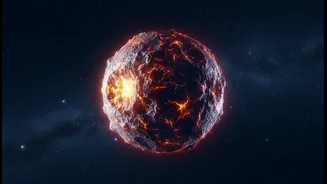
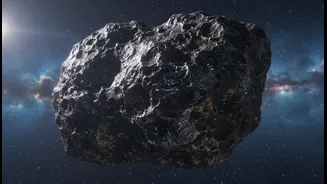
The Race Against Earthly Contamination
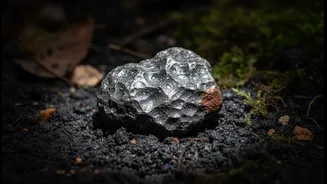
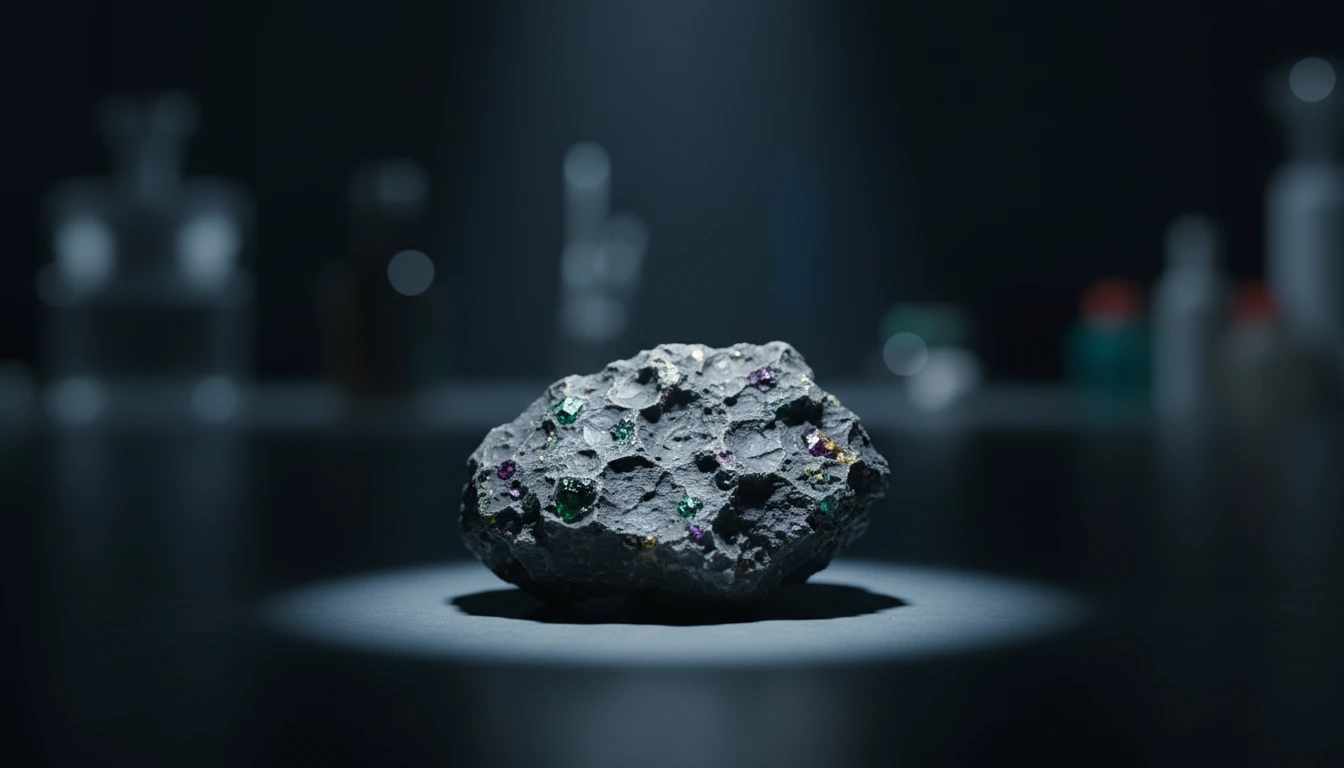
A meteorite is a time capsule, often carrying materials from the birth of our solar system. But the moment it lands, the clock starts ticking. Earth is a messy place, and our planet's rain, microbes, and even the oils on our hands can immediately begin
to alter the rock's delicate chemistry. Moisture can cause rusting and dissolve water-soluble minerals, while terrestrial microorganisms can contaminate the very organic molecules scientists hope to study for clues about the origins of life. For this reason, the most scientifically valuable meteorites are those recovered within hours or days of their fall, before our world has a chance to erase their extraterrestrial story. Some especially fragile salts and minerals can be lost almost instantly to moisture in the air.
From Fireball to Fall Zone
The hunt begins long before anyone is on the ground. When a large meteoroid enters the atmosphere, its brilliant passage, or fireball, is often tracked by cameras, satellites, and citizen scientists. After the fireball extinguishes, the now-slowing fragments enter a phase called "dark flight," where they are pushed by upper-atmosphere winds. To pinpoint where they land, scientists increasingly rely on weather radar. The same technology that tracks rain and hail can detect falling meteorites, allowing researchers to create a map of the likely impact area, known as a strewn field. By combining fireball trajectory data with radar signatures, teams can narrow the search from a vast region to a manageable zone, dramatically increasing the odds of a swift recovery.
The Sterile Collection Procedure
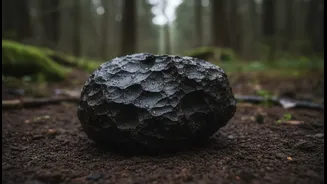
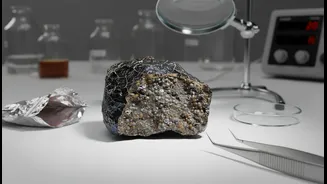
Once a potential meteorite is located, the recovery process looks more like a forensic investigation than a simple rock collection. The primary rule is to protect the sample from the collector. It is crucial to never touch a fresh meteorite with bare hands. Recovery teams use clean gloves, tongs, or, most commonly, a simple piece of household aluminum foil to handle the specimen. Before being moved, the find is meticulously documented in its original location with photographs (often with a scale for reference) and precise GPS coordinates. If the meteorite is embedded in soil, a sample of the surrounding dirt is sometimes also collected to help scientists later distinguish between terrestrial contamination and the rock's native compounds. The goal is to create a complete record of the meteorite's earthly context before it is removed.
From Field to Clean Lab
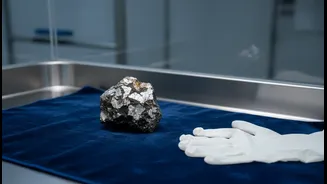
Securing the sample is only half the battle; transporting it safely is just as critical. The meteorite, carefully wrapped in aluminum foil, is typically placed in a clean, sealed bag to protect it from humidity. For particularly precious or water-rich samples, like those recovered from frozen lakes in Antarctica or from rapid falls, the protocols are even stricter. These samples may be kept frozen or placed in special containers purged with inert nitrogen gas. This process prevents oxygen and water vapor from reacting with the meteorite's surface, preserving it in a state as close as possible to how it existed in space. These procedures, developed over decades and refined through programs like the Apollo moon rock handling, ensure the sample arrives at the curation facility in a nearly pristine state.
Unlocking Solar System Secrets
All this careful work pays enormous scientific dividends. A pristine meteorite allows researchers to study the raw ingredients of our solar system with confidence. Analysis can reveal the history of water on ancient asteroids, identify complex organic compounds and amino acids that are the building blocks of life, and provide a direct look at the chemistry of other worlds, like Mars. Recent analysis of a rapidly recovered meteorite in New Jersey revealed fragile, salt-rich minerals that had never been seen before, as they are typically destroyed by exposure to Earth's atmosphere. By preventing contamination, these recovery protocols ensure that when scientists announce a discovery, they can be certain they are reading a message from the cosmos, not just a story of the rock's first few days on Earth.