






The Allure of the Packed Itinerary
When planning a trip, especially to a new city, the temptation to cram every moment with activity is strong. We create detailed spreadsheets and ambitious routes, driven by a fear of missing out (FOMO). This mindset turns a vacation into a checklist,
where the goal is to conquer landmarks rather than experience a place. Walking tours, by their nature, encourage this, promising to show you the 'best of' a destination in a few hours. While efficient, a back-to-back schedule can lead to mental and physical burnout, turning vibrant streets and historic sites into a blur of motion. The pressure to maximize every minute often means we neglect the one thing that can truly deepen our travel experience: rest.
Your Body and Mind on the Move
Walking for hours on end, often on unfamiliar and uneven surfaces like cobblestone streets, takes a significant physical toll. It’s not just about sore feet and aching muscles. Prolonged walking without adequate breaks can lead to fatigue, which impairs decision-making and increases the risk of stumbles or falls. Mentally, our brains are working overtime, processing new sights, sounds, and information. This constant stimulation can lead to 'decision fatigue,' where even simple choices feel overwhelming. Research suggests that while walking is excellent for health, our bodies need time to repair and replenish energy stores, specifically glycogen, which fuels our muscles. Without this recovery time, performance drops, and the simple joy of discovery is replaced by a desire to simply sit down.
The Art of Strategic Pacing
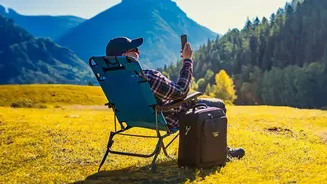
Building rest into your walking tour isn't about being lazy; it's about being smart. Instead of viewing breaks as wasted time, think of them as an integral part of the experience. One of the best approaches is to embrace the principles of 'slow travel'. This mindset encourages deeper immersion in a destination rather than just skimming the surface. Practically, this means planning a tour that ends in the early afternoon, leaving you free to relax, reflect, or explore at a leisurely pace. Look at a map before your tour and identify parks, riverside benches, or quiet cafes near your route's end point. Having a designated spot for post-tour relaxation removes the pressure of figuring out 'what's next' when you're already tired. It allows you to transition from a structured activity to unstructured, restorative downtime. Finding your own rhythm is key; some may prefer a long lunch, while others might enjoy simply sitting and people-watching.
Beyond a Physical Break
The benefits of post-tour rest extend far beyond soothing tired legs. Psychologically, downtime is crucial for memory consolidation. It gives your brain the space to process the information and experiences you’ve just absorbed, helping to form lasting memories. Furthermore, these unscripted moments are often when the most magical travel memories are made. When you’re not rushing to the next item on an itinerary, you create space for spontaneity—stumbling upon a hidden courtyard, discovering a local shop, or striking up a conversation with a local. This approach transforms the fear of missing out into the joy of missing out (JOMO), where you find greater satisfaction in fewer, more meaningful experiences. Studies have even shown that spending time in nature after being in a demanding urban environment can help restore executive attention, essentially giving your brain a much-needed rest.