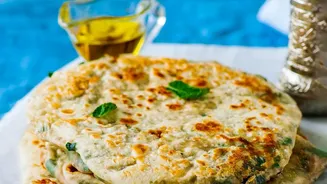


A familiar sizzle in the pan is at the heart of Indian cooking, but the fat that causes it is undergoing a major rethink. In high-end urban kitchens, a quiet but flavourful rebellion is seeing chefs turn from modern seed oils back to ghee.
A Shift in the Modern Kitchen
For decades,
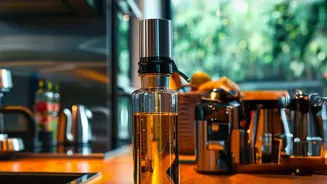
bottles of refined seed and vegetable oils have been a fixture in Indian homes and restaurants, often marketed as the heart-healthy, modern choice. From sunflower to soybean, these oils became ubiquitous. Yet, a growing number of culinary professionals are now questioning this default. They are leading a return to a more traditional fat—ghee—but with a contemporary twist. This isn't just about nostalgia; it’s a deliberate choice rooted in culinary science, flavour dynamics, and a renewed interest in understanding how our ingredients behave under heat. The movement suggests a deeper consideration of not just what we eat, but how we cook it, challenging the long-held belief that all modern food innovations are superior.
The Rise of Infused Ghee
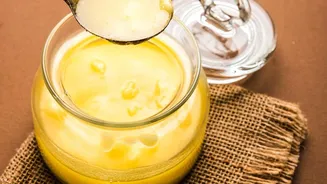
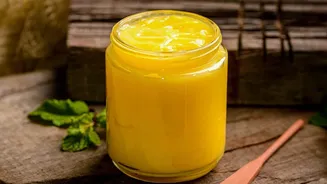
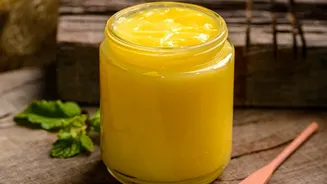
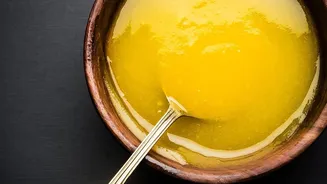
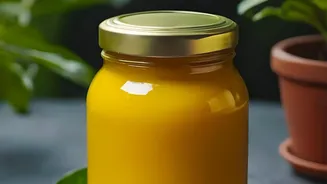
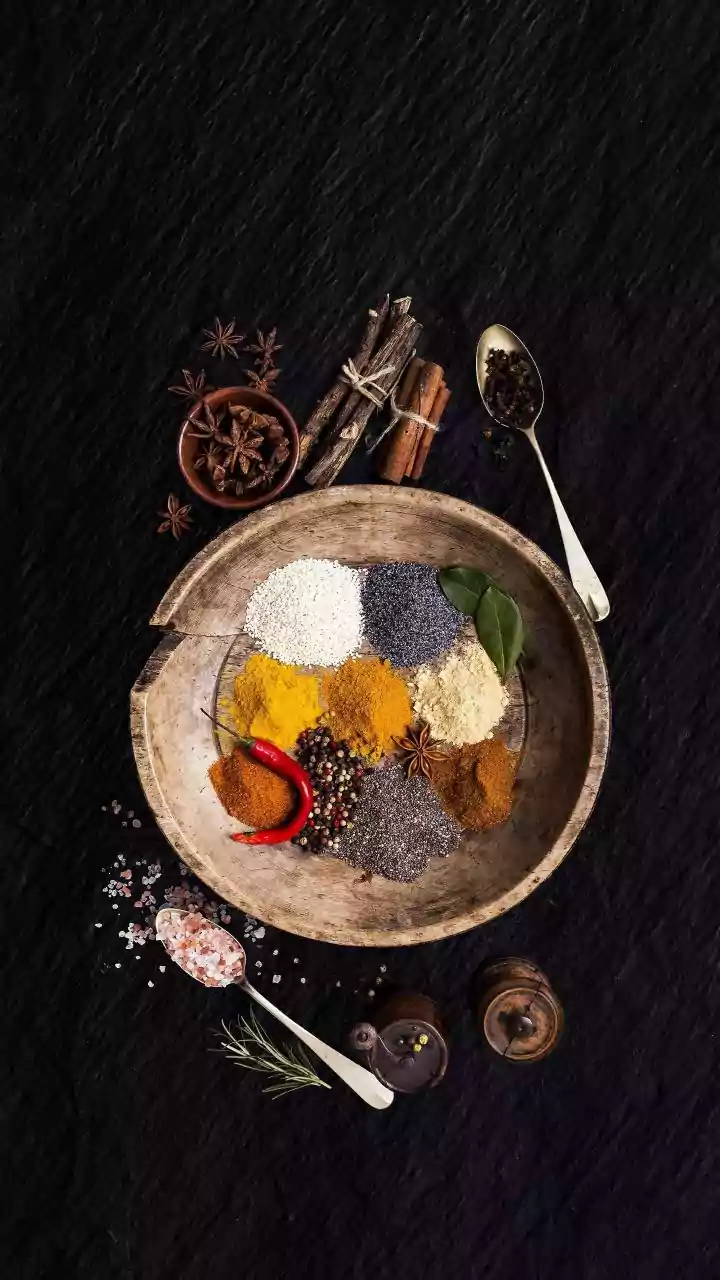
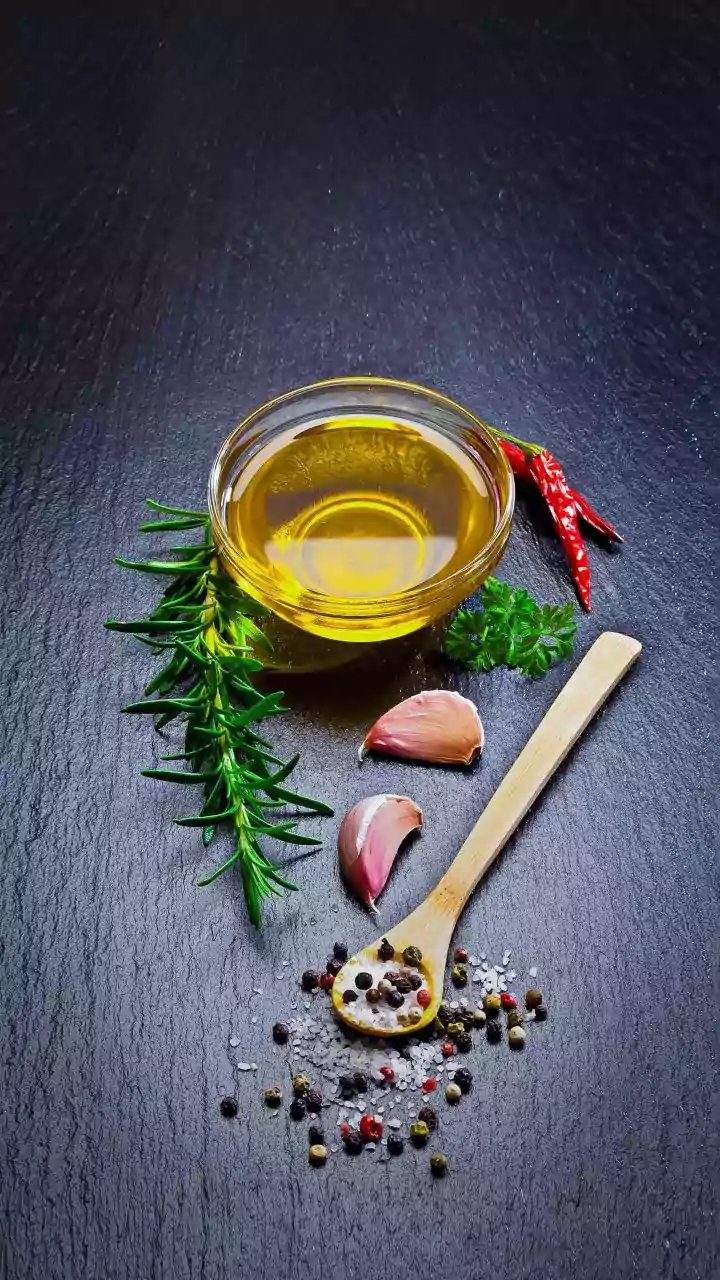
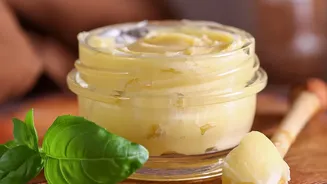
The star of this trend is not just any ghee; it's often artisanal and infused. Ghee, a type of clarified butter, is made by simmering butter to remove water and milk solids, resulting in pure butterfat. This process gives it a rich, nutty flavour and aroma. The modern innovation comes from infusing this golden liquid with a variety of botanicals. Chefs are experimenting with everything from traditional Indian spices like cumin and garlic to Western herbs like rosemary and thyme. This infusion process creates a cooking medium that is also a flavour ingredient, adding a layer of complexity to dishes that a neutral oil cannot. It allows chefs to embed specific aromatic notes directly into the foundation of a dish, from searing a steak to creating a simple tadka.
The Case for Flavour and Function
The primary driver for many chefs is performance. Ghee boasts a significantly higher smoke point—around 250°C—compared to many seed oils and regular butter. This means it can withstand high-heat cooking methods like searing and deep-frying without breaking down and producing harmful compounds or a burnt taste. Proponents argue this stability leads to better texture, like a perfect crust on a piece of paneer or meat, and cleaner flavours. While many seed oils are chosen for their neutrality, chefs embracing ghee see its distinct nutty taste not as a drawback but as a desirable attribute that enhances the overall dish, lending a richness and depth that is difficult to replicate.
A Murky Health Debate
The health conversation around fats is complex and often contentious. For years, the saturated fat in ghee was a primary reason for the switch to polyunsaturated seed oils. However, recent discussions have brought new concerns about seed oils, particularly how they can oxidize and create potentially harmful compounds when heated repeatedly to high temperatures. Ghee, being more stable, is seen by some as a safer choice for high-heat cooking. It is also a source of fat-soluble vitamins like A, D, E, and K. On the other hand, seed oils are rich in omega-3 and omega-6 fatty acids, which are essential for health. The debate is far from settled, but for many chefs, the functional stability of ghee in the pan provides a clear health-related advantage during the cooking process.
Bringing the Trend Home
This chef-led trend is slowly trickling down to the home cook. A growing market of artisanal brands now offers pre-made infused ghees, with flavours ranging from garlic to moringa and other Ayurvedic herbs. For the adventurous, making infused ghee at home is a straightforward process. Gently heating high-quality ghee and letting whole spices like cinnamon or star anise, or herbs like curry leaves, sizzle for a few moments is all it takes to create a custom flavour base. This shift encourages home cooks to think of their cooking fat not as a generic utility, but as a key ingredient that can dramatically elevate everyday meals, from drizzling on dal to roasting vegetables.