





The Ultimate Monsoon Duet
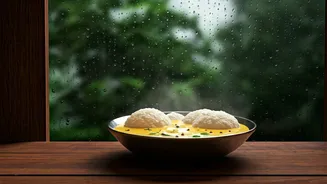
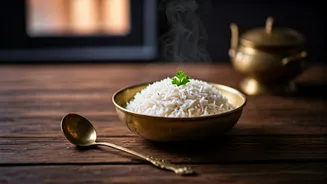
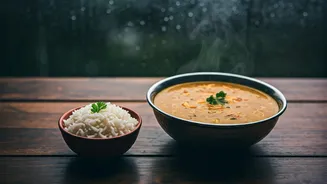
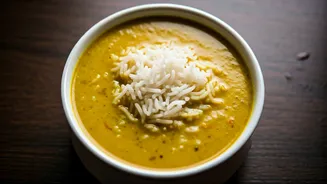
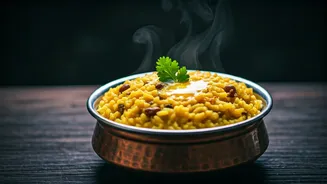
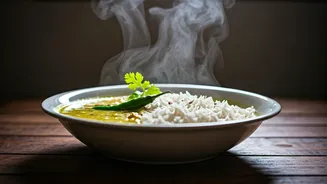
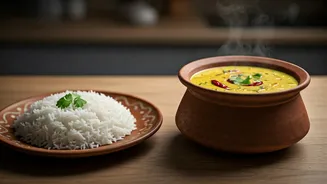
There are few culinary pairings in India as emotionally resonant as the monsoon and a steaming plate of Kadhi Chawal. It’s a combination that feels less like a recipe and more like a tradition. As the rain washes the world clean outside, this humble dish
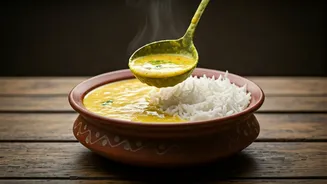
works its magic inside, providing a sense of grounding and well-being that few other foods can match. The gentle tang of the yogurt-based curry, the soft texture of the rice, and the optional crunch of a pakora or boondi create a symphony of simplicity that speaks directly to the soul. It isn't a dish you eat in a hurry; it's a slow, deliberate comfort, meant to be savoured while listening to the rhythm of the downpour.
A Bowlful of Memories
For many, Kadhi Chawal is inextricably linked to childhood. It’s the taste of a grandmother’s love, the smell of a mother’s kitchen on a lazy, rain-soaked afternoon. It's the default meal for when you're feeling a little under the weather or just emotionally drained. This connection elevates it from mere sustenance to a form of edible nostalgia. Every spoonful can transport you back to a simpler time, a protected space where the biggest worry was whether the rain would stop in time for evening play. This powerful association is the secret ingredient that makes each preparation, no matter where you are, feel like coming home. It’s a testament to how food can become a container for our most cherished memories.
A Tale of Many States
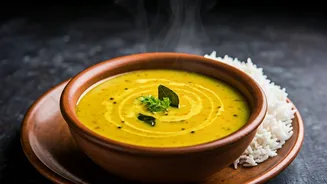
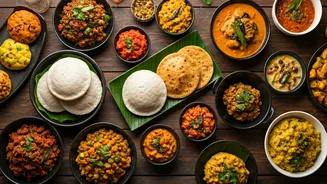
While the feeling it evokes is universal, Kadhi itself is a beautiful reflection of India's regional diversity. The dish is not one, but many. In Gujarat, the kadhi is a thin, pale, and wonderfully sweet-and-sour liquid, often tempered with curry leaves and mustard seeds, served as a delightful counterpoint to a spicier main course. Travel north to Punjab, and the kadhi transforms completely. It becomes a thick, hearty, and sour curry, yellow with turmeric and packed with soft, spongy besan pakoras (gram flour fritters) that soak up all the flavour. In Rajasthan, they often skip the pakoras but add a fiery kick with garlic and red chillies, creating a pungent and robust version. Each regional variant tells a story about the local palate, climate, and available ingredients, yet all fall under the same comforting umbrella.
The Science of Comfort
There's a scientific reason behind this specific craving. Rainy weather often means less sunlight, which can lead to a dip in serotonin, our body's natural mood-stabiliser. Carbohydrate-rich meals, like a combination of rice and kadhi, can help boost serotonin production, giving us a genuine feeling of happiness and well-being. Furthermore, warm foods have a psychologically soothing effect. The warmth from the bowl radiates through your hands, and the warmth of the food itself feels like an internal hug, fighting off the damp chill of the monsoon. It's a simple, biological response to our environment, a primal need for warmth and energy that Kadhi Chawal fulfils perfectly. It’s not just in your head; your body is genuinely seeking this comfort.