







The Gamification of Walking
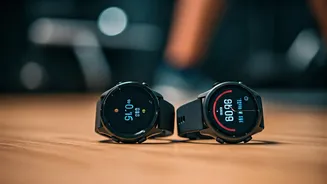
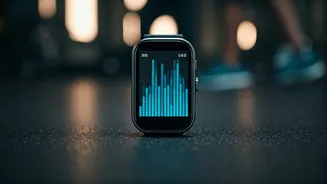
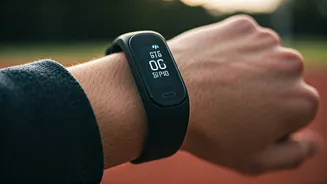
What started as a simple metric on a pedometer has transformed into a full-blown social sport. Fitness trackers from brands like Apple, Fitbit, and Garmin, along with dedicated apps like Stride and Pacer, have integrated competitive features that allow
users to create leagues, issue challenges, and battle friends, family, or even strangers for step-count supremacy. For many young people, sharing step counts has become as normal as sharing a selfie. This gamification turns a mundane activity—walking—into an engaging quest, complete with leaderboards, digital badges, and the simple, powerful dopamine hit of seeing your name at the top.
A Powerful Motivation Engine
On the surface, the benefits seem obvious. In an era of increasingly sedentary lifestyles dominated by screens, anything that encourages movement is a win. These step battles provide a potent dose of motivation. The social accountability is a huge driver; you’re less likely to skip a walk when you know your friends will see your score plummet. For students and young professionals juggling hectic schedules, these challenges offer a structured and achievable fitness goal. It fosters a sense of community, creating virtual walking groups and a shared language of progress. Hitting that 10,000-step goal feels even better when you know you’ve contributed to a team effort or edged out a rival in a good-natured competition.
When the Numbers Take Over
However, the line between healthy motivation and unhealthy obsession can be perilously thin. When the focus shifts from feeling good to hitting a number, the activity can become a source of stress rather than relief. The pressure to perform can lead to anxiety, especially on days when life gets in the way of a long walk. Rest days, which are crucial for recovery, can feel like failures. This mindset turns exercise into a chore—another task on a digital to-do list that must be checked off. The joy of movement is replaced by the tyranny of the algorithm, and a walk in the park is no longer about the fresh air but about how many steps it adds to your daily total.
The Dark Side of Comparison Culture
The competitive aspect can also feed into a toxic comparison culture. Seeing a friend consistently log 20,000 steps a day can feel inspiring at first, but it can quickly curdle into feelings of inadequacy. This is especially risky for individuals with a predisposition for obsessive behaviour or disordered eating. Health experts warn that an over-emphasis on quantifiable metrics like steps or calories burned can fuel exercise addiction and disconnect individuals from their own body’s signals of hunger, fatigue, and pain. Instead of listening to their bodies, they listen to the app, pushing through injuries or exhaustion to win a digital trophy that offers no real-world value.
Finding Your Healthy Stride
So, how can you engage with this trend without falling into its traps? The key is mindfulness. Use the tracker as a source of information, not a source of judgment. If competition stresses you out, opt out of the battles and focus on your personal trends over time. Celebrate all forms of movement, not just the ones that can be counted in steps—a yoga session, a swim, or a weightlifting workout are all valuable. More importantly, prioritise how you feel over what the numbers say. Are you feeling more energetic? Are you sleeping better? These qualitative wins are far more important than a place on a leaderboard. The goal of wellness technology should be to enhance your life, not to control it.