




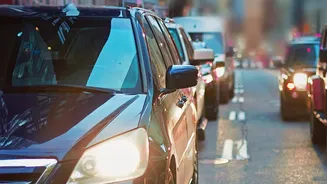
The New Reality of Surge Pricing
For years, travellers in India have relied on the convenience of app-based cabs like Ola and Uber. However, that convenience now comes at a visibly higher price. Recent government guidelines have allowed aggregators to implement dynamic or 'surge' pricing
up to two times the base fare during periods of high demand. With the mid-August festive season approaching, this means passengers can expect significantly higher costs, particularly during peak hours, festivals, or even spells of rain. This pricing volatility turns what should be a predictable expense into a budget gamble, forcing travellers to either absorb the cost or find themselves stranded while waiting for prices to drop. This fare uncertainty is precisely why a review of your last-mile strategy is no longer just about saving a few rupees; it’s about smart, stress-free travel planning.
The Metro: Your Fastest Route Past Traffic
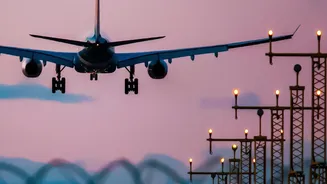
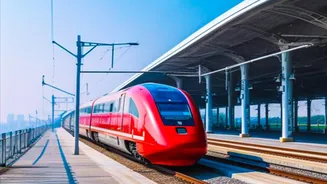
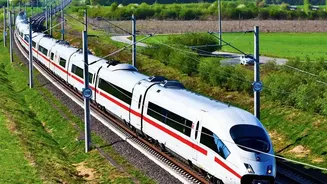
In cities grappling with traffic congestion, the metro is a game-changer for airport and railway station transfers. The prime example is Delhi's Airport Express Line, which connects the IGI Airport to the city centre in about 20 minutes for a fraction of a cab fare. With a fixed schedule and immunity to road traffic, it offers predictability that cabs cannot match. Other cities are catching up. Chennai has direct metro connectivity to its airport, and while cities like Bengaluru and Hyderabad are still developing direct airport lines, they offer robust feeder bus services like the Vayu Vajra and Pushpak which connect key city points to the airport at a fixed, budget-friendly cost. The trade-off is the lack of door-to-door service, but for solo travellers or those with manageable luggage, the savings in time and money are substantial.
Pre-Booked Cabs and Fixed-Rate Options
One of the simplest ways to combat surge pricing is to remove uncertainty altogether. Pre-booking your cab through various online platforms or dedicated airport transfer services can lock in your fare in advance. This means the price you see is the price you pay, regardless of traffic or last-minute demand. Another reliable alternative is the classic prepaid taxi counter found at most airports and major railway stations. These government-approved services operate on fixed rates based on distance, offering a transparent and dependable option. While you might have to wait in a queue, you are protected from the unpredictable fare hikes that plague app-based services. Recently, new government-backed services like Bharat Taxi have launched in cities like Mumbai and Pune, offering RTO-approved fares with a zero-surge promise, providing a direct challenge to the dynamic pricing models of private players.
Public Buses and Shuttles: The Ultimate Budget Choice
For the truly budget-conscious traveller, public buses remain the most economical choice. Most major cities have dedicated bus routes connecting airports and railway stations to various parts of the city. While they may take longer and can get crowded, the cost savings are significant. These services are ideal for backpackers, students, or anyone prioritising savings over speed. Many airports also have organised shuttle services that run between terminals and nearby transport hubs or hotels. These shared rides offer a middle ground, costing more than a public bus but significantly less than a private cab. A little research on local transport authority websites before you travel can reveal routes and timings that align perfectly with your plans.
When Does a Private Cab Still Make Sense?
Despite the rising costs, there are times when a private app-based or pre-booked cab is the best option. If you are travelling in a group or with family, especially with children or elderly members, the door-to-door convenience is often worth the premium. The same applies if you have a lot of heavy or fragile luggage. For late-night arrivals or departures, the safety and security of a private, trackable ride can provide essential peace of mind. The key is to make a conscious choice rather than defaulting to it. Experienced travellers often use a hybrid approach: opting for a comfortable private cab upon arrival after a long flight and choosing a cost-effective metro or bus for the departure journey.