
The Emerald Transformation
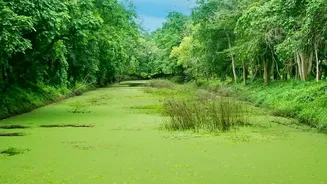
From June to September, Goa undergoes a breathtaking makeover. The sun-scorched red earth gives way to an explosion of green. The Western Ghats, which form a stunning backdrop to the state, become a paradise of dense foliage, mist-covered hills, and roaring
waterfalls. This is when the countryside truly comes alive, with paddy fields turning a vibrant emerald and every river and creek swelling with fresh water. The air is cooler and carries the fresh scent of rain-soaked earth, providing a perfect escape from the heat and a chance to see the state in its most natural and beautiful form.
Waterfalls in Their Full Glory
The monsoon is the undisputed best time to witness Goa's waterfalls. The famed Dudhsagar Falls, one of India's tallest, transforms into a powerful cascade of milky white water, earning its name which translates to 'Sea of Milk'. While access to the base can sometimes be restricted due to heavy rains, the journey itself, often via train or a guided trek through the Bhagwan Mahavir Wildlife Sanctuary, offers spectacular views. Beyond Dudhsagar, smaller, seasonal waterfalls appear all over the state's interior, inviting adventurous travellers to explore hidden trails and discover secluded spots for a memorable experience.
A Different Kind of Beach Experience
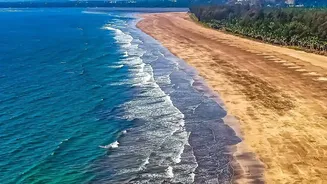
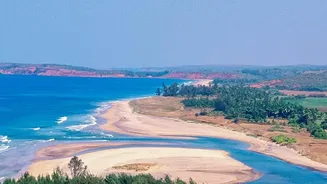
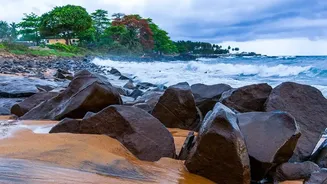
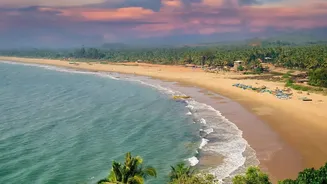
While the monsoon isn't the time for swimming due to rough seas and strong currents, the beaches take on a different, more dramatic charm. The famous beach shacks are mostly packed away, and the crowds are gone, leaving vast stretches of empty sand. This offers a unique opportunity for long, peaceful walks along the shore, with moody skies and the sound of powerful waves creating a perfect backdrop for contemplation and photography. Watching the rain fall over the Arabian Sea from a cosy, sea-facing cafe is an experience in itself, offering a sense of peace and tranquillity that's hard to find in the bustling winter months.
Adventures Beyond the Sand
The rainy season opens up a new world of activities away from the coast. Spice plantations near Ponda, such as Savoi and Sahakari, are at their most fragrant and lush, offering guided tours and traditional Goan meals. White-water rafting on the Mhadei River becomes a thrilling option, with rapids offering an adrenaline rush. For a more relaxed adventure, you can explore the quiet islands of Divar and Chorao by bicycle or scooter, navigating scenic lanes and experiencing slow-paced village life. The cooler weather is also ideal for trekking in wildlife sanctuaries, which are teeming with birdlife and vibrant flora.
The Practical Perks of the Off-Season
One of the most significant advantages of a monsoon trip is the value. With fewer tourists, flight and accommodation prices drop significantly, making it possible to stay in luxury resorts for a fraction of the peak-season cost. You'll find fewer crowds at popular attractions, restaurants, and markets, allowing for a more relaxed and authentic experience. This is the time to interact more closely with the local culture, enjoy leisurely meals without waiting for a table, and explore Goa's heritage sites, like the colourful streets of Fontainhas in Panjim, at your own pace.
Essential Monsoon Travel Tips
Packing for a monsoon trip requires some thought. A lightweight raincoat and waterproof footwear are essential. It's also wise to carry a dry bag to protect your electronics. While renting a scooter is a popular way to get around Goa, roads can be slippery, so driving carefully is crucial; hiring a car might be a safer alternative. Always check weather updates and be aware that access to some areas, like waterfalls, can change based on rainfall intensity. Heed all safety warnings on beaches; red flags mean the water is unsafe for entry.