

More Than Just Touching Your Toes
True flexibility isn't just about reaching your toes; it's about functional mobility, or the ability to move your joints through their full range of motion with ease and control. This 'natural' flexibility impacts everything from your posture to your ability to perform
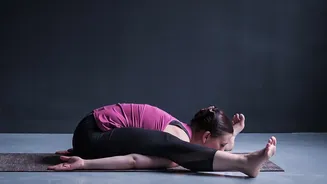
daily tasks without stiffness or pain. Unlike isolated stretching, which targets one muscle at a time, yoga takes a holistic approach. It integrates flexibility with balance, strength, and body awareness, creating a more comprehensive and functional result. The gentle, foundational movements in beginner yoga work to lengthen muscles, mobilize joints, and improve the elasticity of your body's connective tissues.
The Power of Slow, Mindful Movement
The 'cleanest' aspect of beginner yoga lies in its emphasis on safety and sustainability. Instead of forcing a stretch, yoga encourages slow, deliberate movements. This approach gives muscles and connective tissues time to respond, reducing the risk of strain or injury often associated with more aggressive flexibility methods. Gentle yoga is particularly effective because it's inclusive and adaptable for people of all fitness levels, including those with physical limitations or chronic pain. The focus is on consistency over intensity, allowing the body to gradually adapt and build a lasting foundation of flexibility.
Connecting Breath to Release Tension
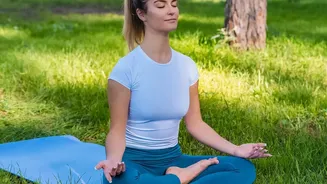
One of the key elements that distinguishes yoga from simple stretching is its focus on breathwork, or pranayama. By linking conscious breathing with physical postures, yoga helps to activate the parasympathetic nervous system—the body's 'rest and digest' response. This process calms the mind and, crucially, signals the muscles to relax and release tension. When your nervous system is calm, your body is more receptive to stretching, allowing you to achieve a deeper and safer range of motion. This mind-body connection is fundamental to releasing the chronic tightness that often comes from stress and a sedentary lifestyle.
Four Foundational Poses for Full-Body Flexibility
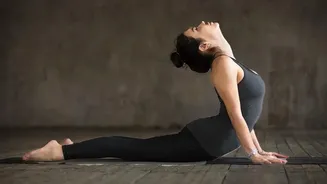
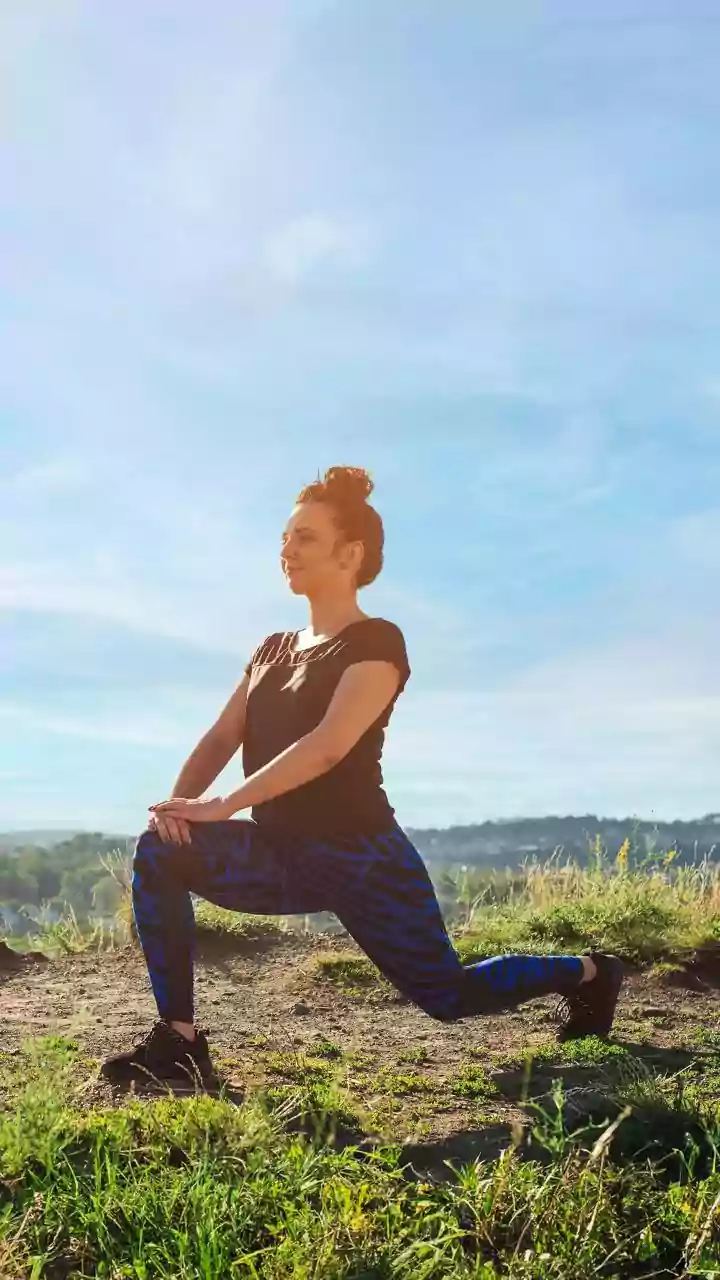
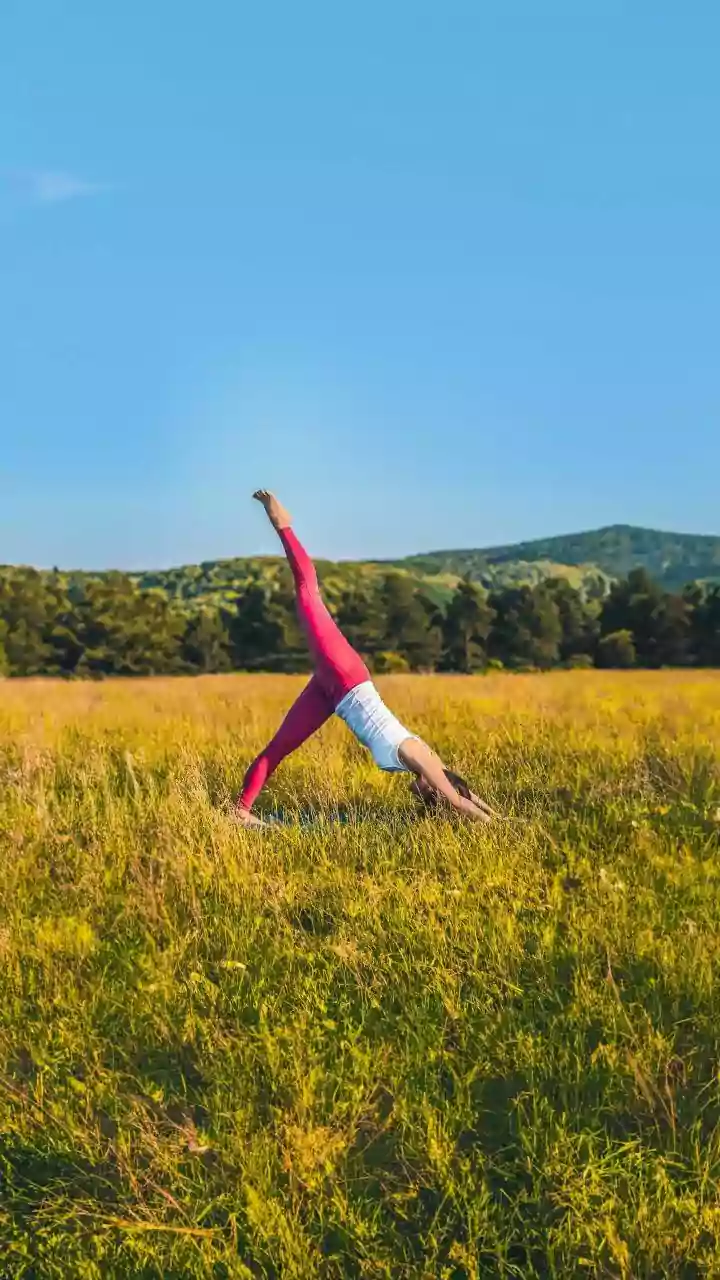
Getting started doesn't require complex sequences. A few key poses can provide immense benefits for the entire body. 1. Cat-Cow Stretch: Performed on all fours, this movement involves arching and rounding the spine in coordination with your breath. It is an excellent way to warm up the back and improve spinal mobility. 2. Downward-Facing Dog: This famous pose creates an inverted 'V' shape with the body. It delivers a full-body stretch, lengthening the hamstrings, calves, and spine while also strengthening the arms and shoulders. 3. Low Lunge: By stepping one foot forward and lowering the back knee, this pose provides a deep stretch for the hip flexors and quadriceps, areas that are often tight from prolonged sitting. 4. Child's Pose: This is a restorative resting posture that gently stretches the lower back, hips, and shoulders while also calming the nervous system. It’s a perfect pose to return to whenever you need a break.
How to Start Your Practice Safely
The most important principle in starting yoga for flexibility is to listen to your body. Sensation is a normal part of stretching, but sharp pain is a signal to ease off. Consistency is far more important than achieving a perfect-looking pose. Practicing for even 10-15 minutes a few times a week will yield more benefits than one intense, infrequent session. Don't worry if you can't touch your toes or hold a pose for a long time. The goal is gradual progress. Remember that you don't need to be flexible to start yoga; you practice yoga to become more flexible.