


The Lithium Bottleneck
For years, the electric vehicle revolution has been powered by lithium-ion batteries. From smartphones to electric cars and scooters, this technology has been the undisputed king. However, it comes with a significant catch: cost. Lithium, along with other
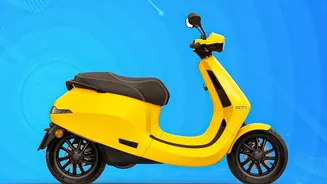
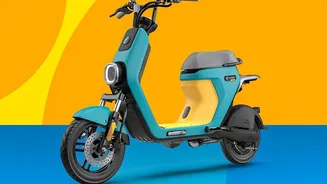
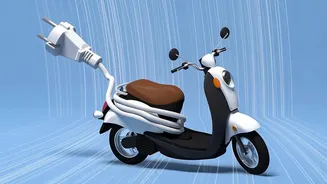
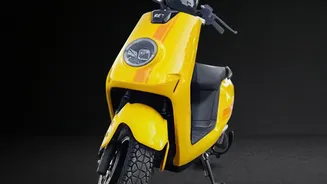
essential materials like cobalt and nickel, is relatively rare, geographically concentrated, and subject to volatile pricing. This directly impacts the final price of an electric scooter, making the battery pack the single most expensive component and keeping many EVs just out of reach for the average buyer compared to their petrol-powered counterparts.
Enter the Sodium-Ion Alternative
Imagine powering a battery with one of the most abundant and inexpensive materials on Earth: sodium. It's the same element found in common table salt. Sodium-ion (Na-ion) batteries work on a similar 'rocking chair' principle as lithium-ion, shuttling ions between electrodes to store and release energy. The technology itself isn't new, having been researched alongside lithium in the 1970s and 80s, but it was largely set aside. Now, with soaring demand for energy storage and the rising costs of lithium, sodium-ion is making a powerful comeback as a commercially viable option.
The Cost Advantage Explained
The primary appeal of sodium-ion batteries is their potential to be significantly cheaper. Sodium is about 1,000 times more abundant in the Earth's crust than lithium, making the raw material costs dramatically lower. Projections suggest sodium-ion batteries could be 30% to 50% less expensive per kilowatt-hour (kWh) than their lithium-ion equivalents. Furthermore, they don't require expensive and controversial materials like cobalt. This cost reduction at the cell level translates directly to a lower overall vehicle price, which is especially critical in the price-sensitive market for entry-level electric scooters.
Performance, Price, and a Practical Trade-Off
Of course, there are trade-offs. The most significant is lower energy density, which means Na-ion batteries are generally heavier than lithium-ion packs for the same amount of energy. A sodium-ion battery might have an energy density of around 90–160 Wh/kg, compared to 150–250 Wh/kg for lithium-ion. While this might be a deal-breaker for a high-performance electric car where range and weight are paramount, it's a perfectly acceptable compromise for an entry-level city scooter. For daily commutes of 50-70 km, the slightly heavier battery is a small price to pay for a much lower purchase price. Moreover, recent advancements have shown they perform exceptionally well in a wide range of temperatures and can be safer, with less risk of thermal runaway.
A 'Make in India' Game-Changer
For India, the rise of sodium-ion technology is more than just about cheaper scooters; it's a strategic opportunity. Widespread adoption would reduce the nation's heavy reliance on imported lithium-ion cells and raw materials, primarily from China. This aligns perfectly with the 'Make in India' initiative. Several Indian companies are already making significant strides. Reliance acquired UK-based sodium-ion pioneer Faradion, while homegrown firms like IndiEnergy are developing innovative solutions, such as using agricultural waste to create battery components. This domestic push could create a self-reliant ecosystem, from raw material processing to battery manufacturing, securing a vital part of the EV supply chain.
The Road to Mass Adoption
This isn't a distant future. The technology is rapidly moving from the lab to the factory floor. Global battery giants and automotive companies are investing heavily, with some manufacturers already debuting vehicles with Na-ion batteries. In India, companies like Jitendra New EV Tech are aiming to launch sodium-ion powered electric two-wheelers by 2026. While it will take a few years for the technology to become widespread and for production to scale up, the first wave of more affordable electric scooters powered by sodium-ion batteries is on the horizon. Cost parity with lithium-ion batteries is expected to be reached by late 2026, which will accelerate adoption.