



The Strain of the Digital Workspace
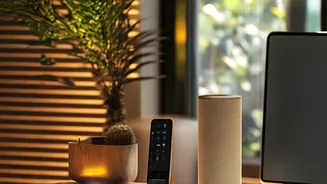
The work-from-home era has blurred the lines between office and personal sanctuary, often turning our living spaces into 24/7 hubs of digital connectivity. The downside is a distinct form of exhaustion. Long hours spent in front of screens can lead to what’s
known as directed attention fatigue. This happens when we force our brains to concentrate on a single task for extended periods, ignoring distractions. The result is mental fog, irritability, and a feeling of being perpetually drained. This constant demand on our focus, combined with the lack of environmental variety, makes our brains work overtime just to stay on track.
Nature's Answer: The Biophilia Effect
The solution might be rooted in our own biology. The 'biophilia hypothesis' suggests that humans have an innate tendency to seek connections with nature and other forms of life. After all, our brains evolved over millions of years in natural environments, not in sterile, box-like offices. When we bring plants indoors, we are essentially satisfying this deep-seated need. This connection to the natural world has been shown to have profound psychological benefits, reducing stress and improving our overall sense of well-being. It’s a simple way to bring a piece of the restorative outdoors inside.
How Plants Actively Reduce Stress
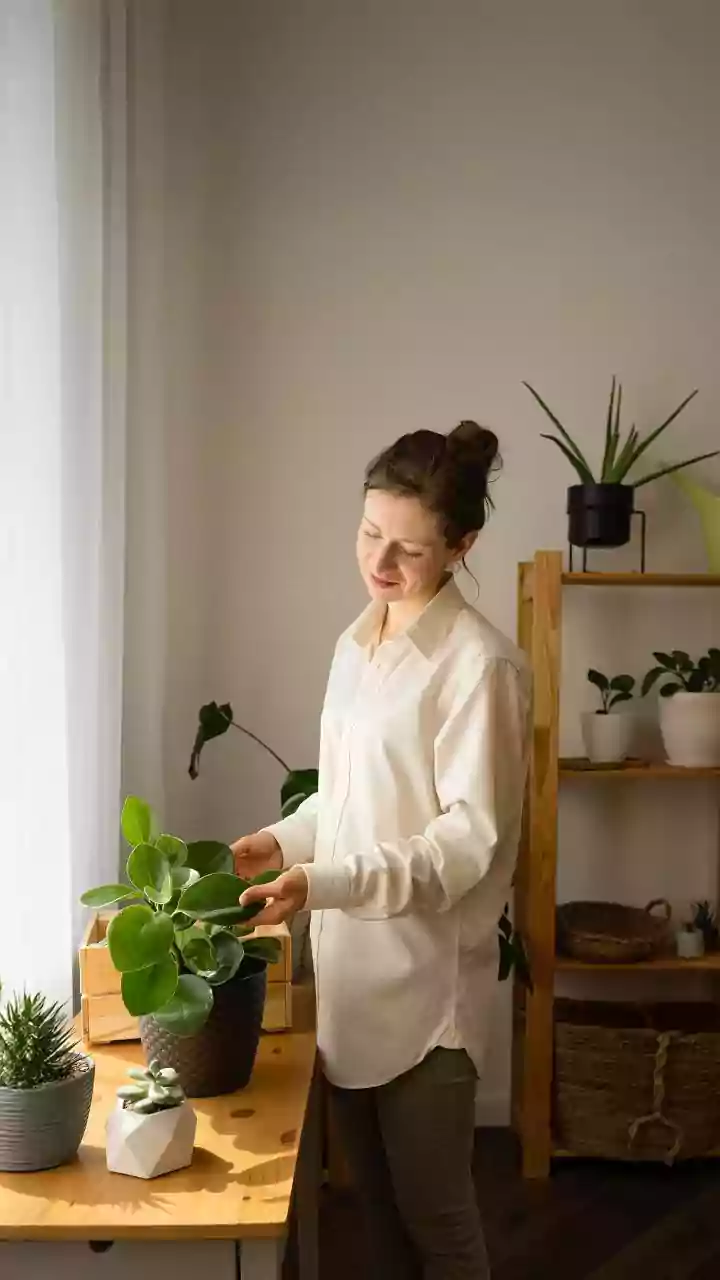
The calming effect of plants isn't just a feeling; it's a physiological response. Studies have shown that interacting with indoor plants—or even just having them in your line of sight—can lower stress hormones like cortisol, reduce blood pressure, and slow your heart rate. In one study, participants who worked with a plant felt more comfortable and relaxed compared to those performing a task on a computer. The organic shapes, gentle colours, and living presence of plants provide a soft contrast to the hard lines and artificial light of a typical workspace, signalling to our nervous system that it's okay to relax.
Restoring Your Drained Focus
This is where Attention Restoration Theory (ART) comes in. The theory proposes that nature provides a 'soft fascination', something that gently holds our attention without demanding anything from it—like watching leaves rustle or clouds move. This is the opposite of the 'directed attention' we use for work. After hours of intense focus on a spreadsheet, a brief glance at a plant can provide a 'micro-restoration'. This short mental break allows the cognitive resources we use for focus to replenish, helping to stave off mental fatigue and improve concentration when we return to the screen. Even a 40-second glimpse of a green view has been shown to improve sustained attention.
Your First Green Companions
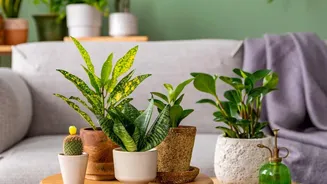
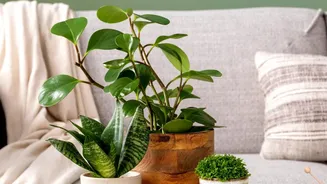
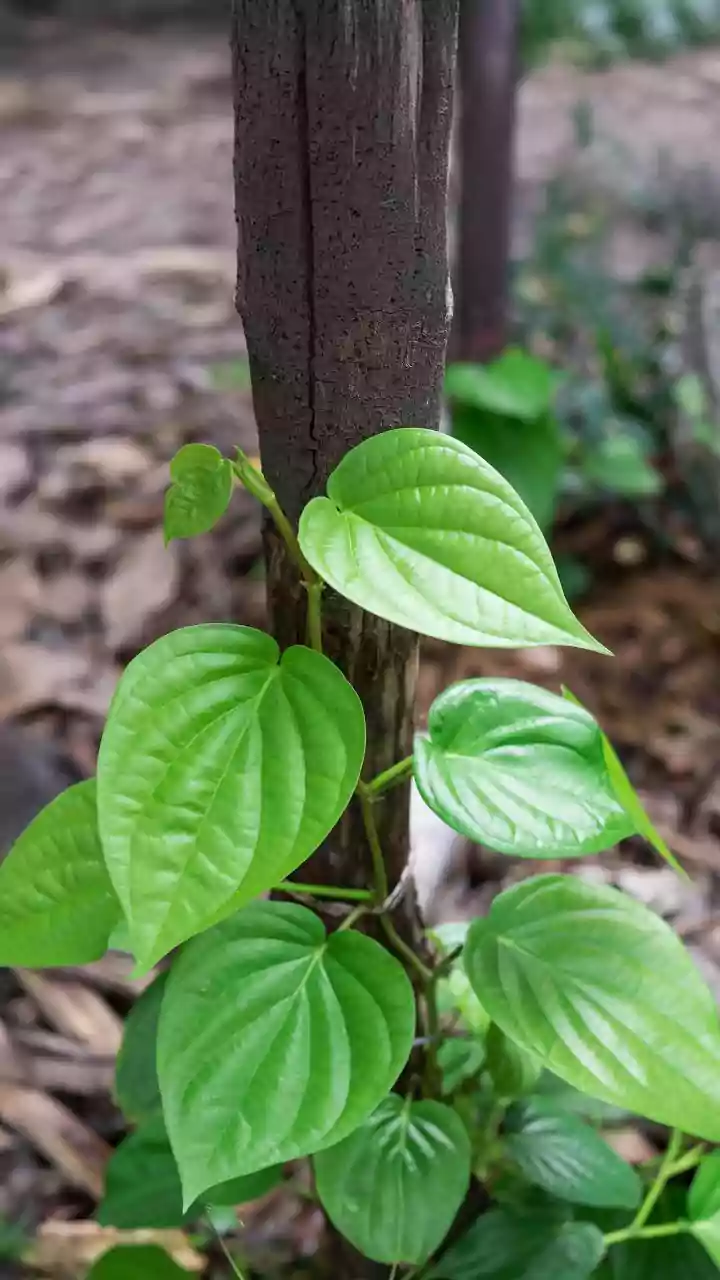
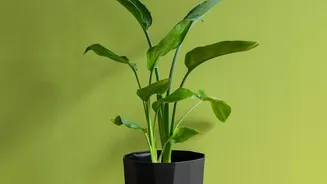
You don't need a sprawling garden to reap these benefits. Starting with a few low-maintenance plants is an easy way to begin. For Indian homes, several hardy species thrive indoors with minimal fuss. The Snake Plant is famously tough, tolerating low light and infrequent watering. The Money Plant (Pothos) is another favourite, easy to grow in soil or water, with trailing vines that add elegance. And the ZZ Plant is nearly indestructible, perfect for those who worry about their green thumb, as it thrives on neglect. Place one on your desk or a nearby shelf where it's easily visible.
Creating Your Green Oasis
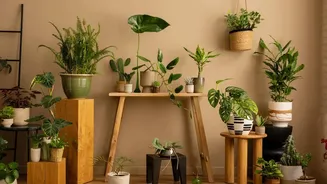
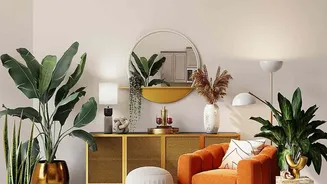
As you get more comfortable, you can expand your indoor greenery to create a more immersive sanctuary. Think beyond a single desk plant. Position a larger Areca Palm in a corner to add a tropical feel, or place a Spider Plant in a hanging basket. The act of caring for your plants—watering them, pruning leaves—can also become a mindful ritual, a moment to disconnect from work and reconnect with the physical world. These small pockets of nature in your home create visual buffers that break up the monotony of the screen, providing consistent, subtle opportunities for mental relaxation throughout the day.