






What Exactly Is the Hyper-Palatability Trap?
The term sounds complex, but the concept is simple. Hyper-palatable foods are items engineered with specific combinations of fat, sugar, sodium, and carbohydrates that your brain finds intensely rewarding. Food scientists have identified three main formulas
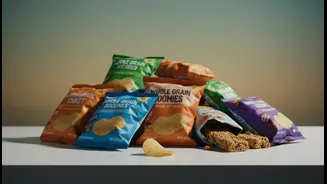
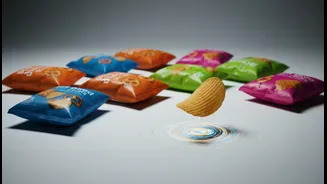
that create this irresistible effect. The first is fat and sodium, like in processed meats and pizzas. The second is fat and simple sugars, the magic combination in cakes, cookies, and ice cream. The third is carbohydrates and sodium, found in crackers, pretzels, and chips. These combinations are rarely found in nature. They are intentionally designed to hit a 'bliss point' that makes a food so enjoyable it can become difficult to stop eating. This is the essence of the trap: a food created not just to be tasty, but to be so rewarding that it encourages overconsumption.
The Science Behind the Craving
When you eat these foods, they activate the reward centers in your brain, triggering a release of dopamine—the 'feel-good' neurotransmitter. This creates a powerful sense of pleasure that your brain wants to experience again and again. More importantly, this intense reward signal can override your body's natural fullness cues. Normally, a mechanism called sensory-specific satiety kicks in as you eat, making each bite slightly less pleasurable than the last, which helps you know when to stop. Hyper-palatable foods are specifically designed to bypass this system. They remain highly appealing bite after bite, short-circuiting the communication between your stomach and your brain. The result is that you might continue to eat even when you are physically full, not because you are still hungry, but because your brain is still chasing that rewarding sensation.
Strategy 1: Identify Your Personal Triggers
The first step to escaping the trap is to understand what baits it. For the next week, act like a detective of your own eating habits. Pay close attention to the foods you find hardest to stop eating once you've started. Is it the salty crunch of chips in the evening? The sweet comfort of a particular biscuit with your tea? The rich combination of cheese and cured meat on a platter? These are your personal hyper-palatable triggers. Everyone's are slightly different. Identifying the specific foods that lead you to overeat is crucial, because you can't create a strategy to avoid a trap you can't see.
Strategy 2: Engineer Your Environment
Willpower is a finite resource, so don't rely on it alone. The most effective strategy is to control your environment. The single easiest way to avoid overeating a trigger food is to not have it in your home, car, or office. The battle for portion control is won or lost at the grocery store, not in your kitchen at 9 p.m. If you don't buy it, you can't eat it. If not buying it feels too restrictive, create friction. Store trigger foods in an inconvenient place—on a high shelf, in the back of the pantry, or in an opaque container. The more effort it takes to get to a food, the less likely you are to mindlessly reach for it.
Strategy 3: Pre-Portion for Mindful Success
Never eat directly from a multi-serving package. This is a recipe for mindless overconsumption. Instead, before you start eating, decide on a reasonable portion size and put it in a separate bowl or on a plate. Once the package is closed and put away, you create a natural stopping point. This small action forces a moment of mindfulness and interrupts the automatic hand-to-mouth cycle. This works for homemade meals too; serve your plate in the kitchen rather than putting large serving dishes on the table, which can tempt you into second and third helpings.
Strategy 4: Replace and Rebalance, Don't Just Remove
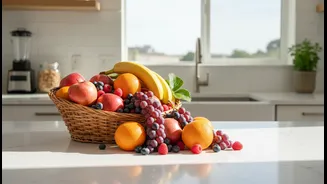
Simply removing your favorite snacks can leave you feeling deprived, which can lead to intense cravings and eventual bingeing. A more sustainable approach is to strategically swap hyper-palatable foods with healthier, yet still satisfying, alternatives. If you crave something crunchy and salty, try roasted chickpeas or a handful of nuts instead of chips. If you need a sweet fix, try a piece of fruit with nut butter. These whole foods provide fiber and protein, which promote genuine fullness and don't create the same intense reward-loop in the brain. The goal is to nourish your body and satisfy your senses without falling into the engineered trap.