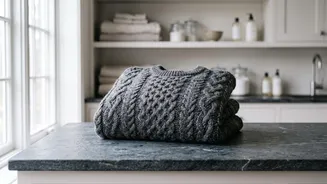





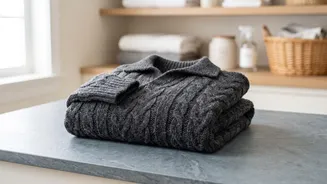

That cosy wool sweater is a winter staple, but the incessant itch can be maddening. Before you banish your woollens to the back of the wardrobe, understand that the itch isn't inevitable. It's often caused by rough fibres, not an allergy.
Why Some Wool Feels Itchy
The itchiness
of wool is usually a mechanical issue, not a true allergy. Wool fibres have microscopic scales on their surface. Coarser, thicker fibres, often found in lower-quality wool, are stiff and don't bend when they press against your skin. Instead, their ends poke at your nerve endings, creating a prickly, itchy sensation. Research shows that fibres with a diameter above 30 microns are most likely to cause this irritation. In contrast, finer wools like Merino have smaller diameter fibres that are more flexible and feel soft against the skin. True allergies to wool are rare; the discomfort usually comes down to the physical properties of the fibres themselves.
The Gentle Art of Washing Wool
Proper washing is your first line of defence against itchy wool. Always use cold or lukewarm water, as hot water can cause the fibre scales to lift and interlock, making the garment feel rougher and potentially causing shrinkage. Opt for a pH-neutral, mild detergent specifically designed for wool, as standard detergents can be too harsh and strip the fibres of their natural lanolin, leading to stiffness. Handwashing is the safest method. Let the garment soak for about 10 minutes, gently agitate the water, and then rinse thoroughly. Never wring or twist the wet garment, as this can stretch and damage the delicate fibres.
Soften Fibres with Household Staples
Two common items can work wonders for softening scratchy wool: white vinegar and hair conditioner. A vinegar rinse is excellent for removing any lingering soap residue that can stiffen fibres. Adding about a cup of white vinegar to the final rinse water helps to smooth and close the fibre's cuticles, much like it does for human hair. Let the garment soak for 15-20 minutes before a final clear rinse; the vinegar smell will disappear once dry. Alternatively, use a hair conditioner. Since wool is a protein fibre similar to hair, a conditioner can smooth its cuticles. After washing, gently work a small amount of conditioner through the damp garment, let it sit for about 30 minutes, and then rinse thoroughly with cool water.
Drying and Storing for Lasting Softness
How you dry your woollens is just as important as how you wash them. Never put wool in a machine dryer, as the heat and tumbling action will cause felting and irreversible shrinkage. Also, avoid hanging wet wool, which can cause it to stretch out of shape. The correct method is to gently squeeze out excess water after rinsing. A great technique is to lay the garment flat on a thick, clean towel, roll the towel up like a burrito, and press firmly to absorb more water. Then, unroll it and lay the garment flat on a dry towel or a mesh drying rack, away from direct sunlight or heat, until it is completely dry.
An Unconventional Trick and When to Layer
For a surprisingly effective, if unusual, fix, try the freezer. Place your clean, dry wool item in a sealable plastic bag and leave it in the freezer overnight. This can make the short, poky fibres more brittle and less likely to irritate your skin. For particularly stubborn sweaters or for those with very sensitive skin, layering is a simple and effective solution. Wearing a thin, long--sleeved cotton or silk shirt underneath your wool garment creates a soft barrier that prevents the coarser fibres from directly touching your skin, giving you all the warmth without the itch.