

Beyond the One True Sadhya
The idea of a single, uniform Onam Sadhya is a delicious myth. While staples like avial, sambar, and thoran are common, the feast transforms as you travel across Kerala. In the southern Travancore region, the parippu curry is a runny, comforting gravy
made from moong dal, and the meal often features more dishes without coconut. Head north to Malabar, and the parippu becomes a thicker, drier dish made with toor dal. The sambar in the north is often enriched with roasted coconut, a practice less common in the south. These subtle shifts in ingredients and preparation techniques mean that the Sadhya you eat in Thiruvananthapuram is a different culinary experience from the one in Kannur.
The Northern Exception: Meat on the Leaf
Perhaps the most significant regional variation is found in northern Kerala, especially in Malabar. Here, the Onam celebration isn't strictly vegetarian. Following the adage that one should eat all their favourite foods during the festival, many households include non-vegetarian dishes as part of the grand meal. It's not uncommon to find flavourful fish curries, chicken preparations, or even a rich beef fry served alongside the traditional vegetarian items. This practice highlights a different interpretation of the festive feast, one rooted in local culture and tastes that predate the more standardised, vegetarian-only commercial Sadhyas.
Forgotten Curries and Humble Delights
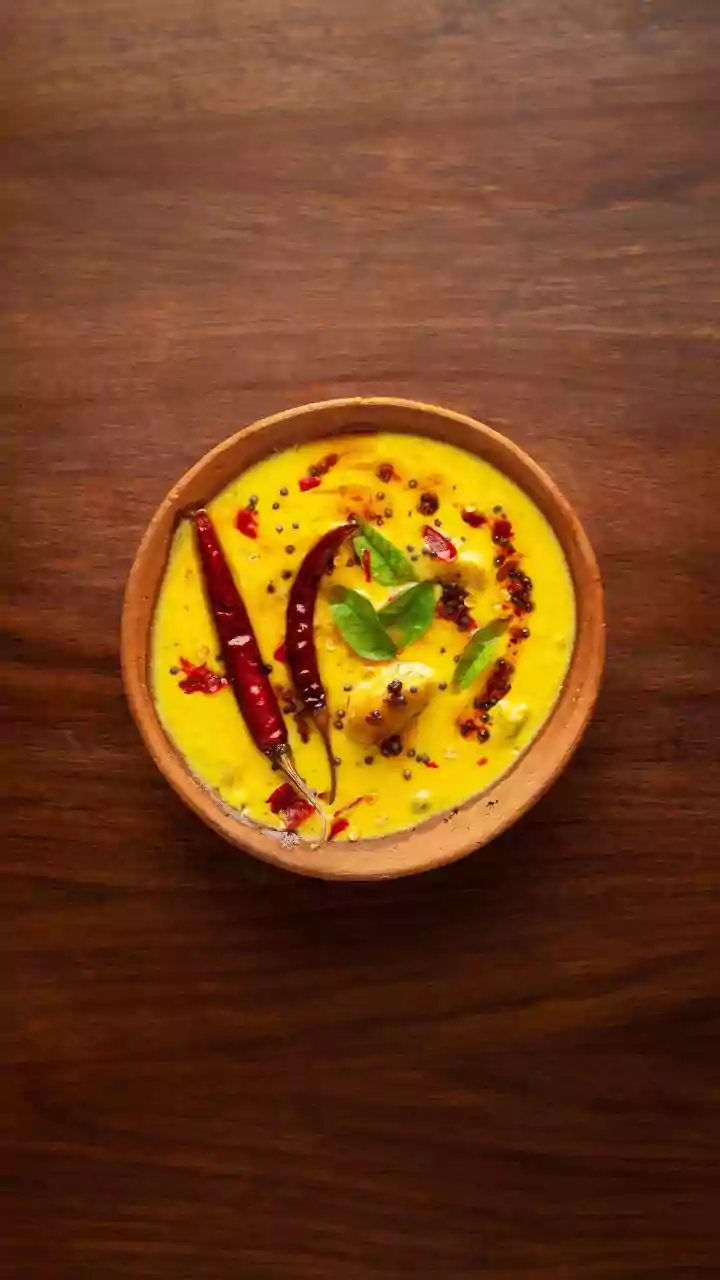
Many traditional dishes, once staples of the Onam table, have become harder to find. These lesser-known preparations offer a taste of a more rustic and resourceful culinary past. One such dish is Pazham Nurukku, a simple but elegant item made by steaming chopped raw bananas. Another is Kalan, a thick, tangy curry made with yam or plantain in a yogurt and coconut base, spiced with black pepper. While popular in central and northern Kerala, it’s less common in the south. Ulli Theeyal, a flavourful gravy made with shallots in a roasted coconut and tamarind sauce, is another unique preparation that provides a deep, complex flavour profile rarely found in mainstream Sadhyas.
Snacks Beyond the Familiar Chips
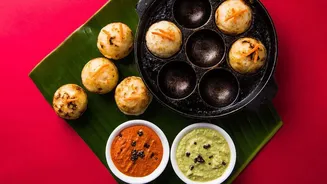
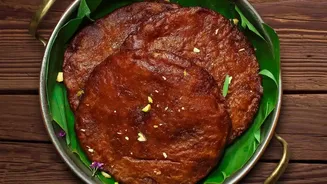
While banana chips (upperi) and jaggery-coated sarkara varatti are essential parts of the Sadhya, the world of Onam snacks is far richer. Unniyappam, small, sweet fried balls of rice flour, jaggery, and banana, are a festive favourite. Kozhukatta, steamed rice dumplings stuffed with a sweet mixture of grated coconut and jaggery, offer a softer, gentler festive bite. And then there's Sukhiyan, a delightful deep-fried snack with a sweet filling of green gram and coconut. Exploring these snacks is a journey into the heart of Kerala’s everyday festive traditions, often enjoyed during tea time after the main feast.
The Sweet Surprises in Payasam
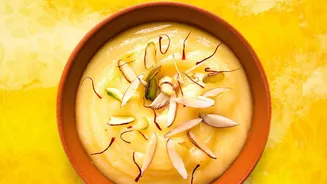
The Sadhya always ends with payasam, a sweet pudding. While Palada Pradhaman (made with rice flakes and milk) and Parippu Payasam (made with lentils and jaggery) are the most famous, there are other versions worth seeking out. Pazham Pradhaman, made from Nendran bananas and jaggery, offers a rustic, fruity sweetness. In some parts of southern Kerala, this banana payasam is enjoyed by mashing a ripe banana directly into it. Another rare gem is the Chakka Pradhaman, made from jackfruit, which gives the dessert a unique texture and intensely fragrant flavour. These alternative payasams showcase the diversity within just one course of the meal.