



The Monsoon's Verdant Transformation
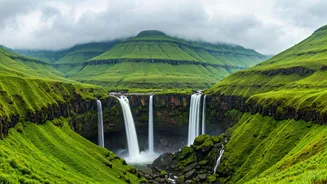
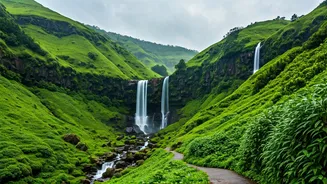
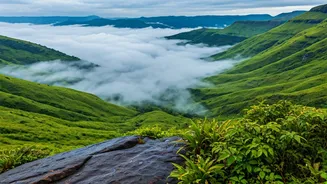
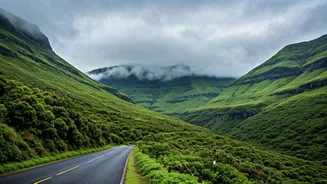
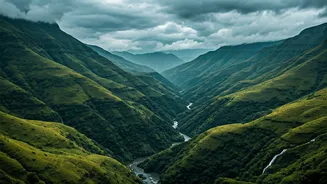
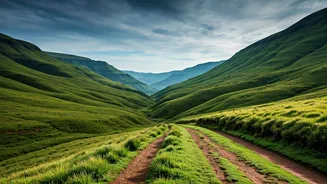
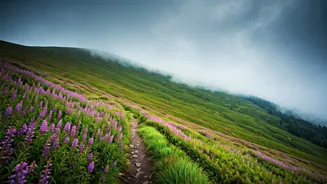
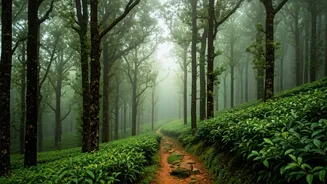
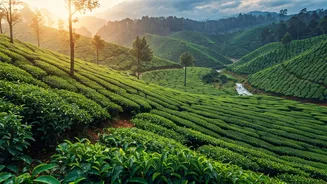
Nestled in the Sahyadri Hills of Maharashtra, Amboli Ghat is often called the “Cherrapunji of Maharashtra” for the immense rainfall it receives, averaging around 7,500 mm annually. [15, 18] From June to September, the landscape undergoes a dramatic change.
[18] Dry hillsides turn into a lush, emerald paradise, and the entire region is frequently shrouded in a thick, atmospheric mist that can reduce visibility to mere feet. [6, 15] This ethereal environment, where waterfalls roar around every corner and clouds drift through the valleys, is precisely what draws photographers. [12, 24] It's a challenging setting, but one that offers unparalleled opportunities to capture the moody, dramatic soul of the Western Ghats.
A Cascade of Photographic Subjects
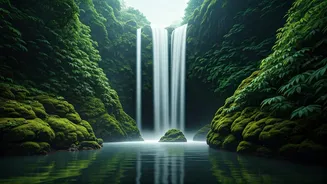
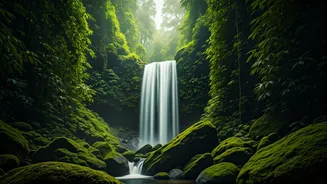
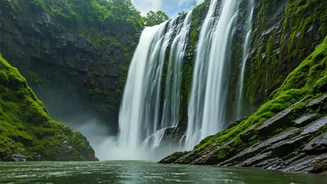
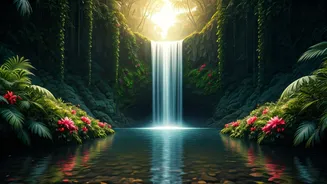
The primary attractions during the monsoon are, of course, the waterfalls. The main Amboli Waterfall, just a few kilometres from the bus stand, becomes a powerful torrent that attracts many visitors. [4, 15] For photographers, however, the spectacle extends to numerous other falls. Nangarta Falls, located about 10 km away, thunders down a 40-foot gorge, creating a deafening roar and a mesmerising sight perfect for long-exposure shots. [4] Another unique phenomenon is the 'reverse waterfall' at Kavlesad Point, where strong monsoon winds push the water spray upwards, creating a surreal illusion. [4, 25] Beyond these famous spots, countless seasonal streams and falls appear during heavy rains, offering photographers endless subjects amidst the greenery. [4, 12]
The Real Draw: A Macro World Awakens
While the grand landscapes are stunning, the true prize for many dedicated photographers lies in the smaller details. The monsoon is the breeding season for a staggering variety of herpetofauna (reptiles and amphibians), making Amboli a global biodiversity hotspot. [18, 22] Night trails become essential, as this is when the forest truly comes alive. [14, 18] Photographers, armed with macro lenses and flashes, seek out vibrant species like the Malabar gliding frog, the critically endangered Amboli tiger toad, and the Amboli bush frog. [3, 18, 22] The region is also famous for its snakes, including the beautiful and venomous Malabar pit viper and the slender Green Vine Snake, often found perfectly camouflaged in the foliage. [3, 14, 20] Capturing these creatures, from frogs laying eggs on branches above water to geckos and caecilians, is the ultimate goal for many who make the pilgrimage. [3, 10]
The Art of Shooting in the Rain
Photographing in Amboli during the monsoon is both exhilarating and demanding. [5] The relentless downpour requires serious protection for camera gear, with rain covers and umbrellas being essential equipment. [3, 10] The dense forest canopy and overcast skies mean light is often low, making an external flash compulsory for macro work. [3] Navigating slippery paths and forest streams in the dark, often with leeches as companions, requires patience and sturdy gear like gumboots and headlamps. [5, 10, 11] The challenge is part of the appeal; it’s a test of skill and endurance. Photographers must work carefully, respecting the wildlife and their habitats, often shooting from a safe distance, especially with venomous snakes like the pit viper. [3, 18] The reward is a portfolio of images that are impossible to get at any other time of year.