




From Forgotten Grain to Superfood
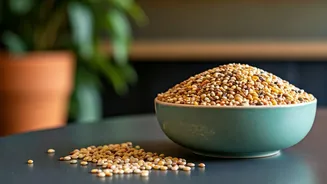
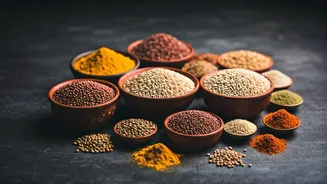
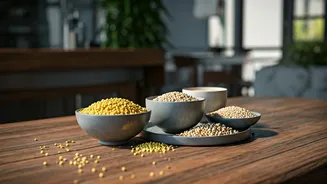
For generations, millets like jowar, bajra, and ragi were staples in Indian homes. However, with the Green Revolution in the 1960s, wheat and rice became more widespread, and millets were gradually relegated to the background, often stigmatized as food
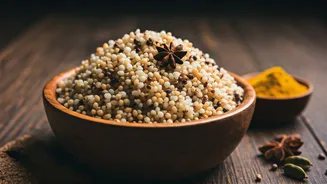
for the rural poor. Fast forward to today, and these ancient grains are experiencing a powerful resurgence. Propelled by a growing awareness of their immense nutritional benefits and the UN's declaration of 2023 as the International Year of Millets, these grains are being rebranded as 'superfoods'. They are rich in protein, fibre, and essential minerals, and their low glycemic index makes them a popular choice for health-conscious urban consumers.
The New-Age Cafe Philosophy
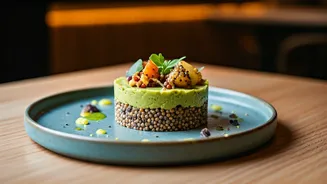
A new crop of cafes is at the heart of this millet revival. These establishments are doing more than just adding a few healthy options to their menus; they are building a philosophy around mindful and sustainable eating. Places like Greenr Café in Delhi and Sequel in Mumbai are championing a plant-forward, indigenous approach, proving that healthy food can be delicious and exciting. The focus is on innovation, flavour, and presentation. Many of these cafes also emphasize a farm-to-table model, sourcing ingredients directly from local farmers, which ensures freshness and supports rural communities. This approach resonates deeply with younger consumers who value sustainability and authenticity.
Beyond Roti: The Millet Menu Makeover
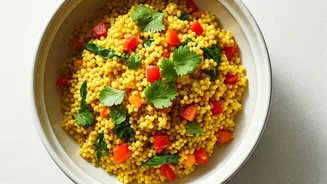
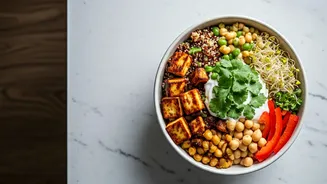
Forget simple porridge or rotis. Today's millet-centric menus are vibrant, creative, and globally inspired. Cafes are transforming millets into formats that appeal to modern palates. You can find everything from ragi-crust pizzas and jowar pasta to foxtail millet salads and barnyard millet risottos. At Café Lota in Delhi, you can try ragi vada pav and ragi appam. Toast & Tonic in Bengaluru offers a sophisticated menu with various millet dishes. Other cafes are whipping up millet pancakes, nutritious bowls, sandwiches, and even desserts like cakes and cookies made from millet flour. These innovative dishes make millets approachable and exciting for a generation that grew up on global cuisines.
Why Gen Z is Biting
The appeal of millets for Gen Z goes beyond just health benefits. This generation prioritizes wellness, sustainability, and authentic experiences. Millets tick all these boxes. They are a gluten-free, nutrient-dense alternative to refined grains that aligns with the move towards mindful eating. As climate-resilient crops that require less water, they represent a sustainable food choice, a factor increasingly important to young consumers. Moreover, this trend is about a cultural revival. For many in Gen Z, choosing millets is a way to reconnect with Indian heritage and ingredients, but on their own terms—in a modern, Instagrammable format that feels both cool and conscious.
A Fad or the Future of Food?
With strong government support and a clear consumer shift towards healthier lifestyles, the millet movement appears to be more than a fleeting trend. Recent reports show that a significant percentage of Indian households now regularly consume millets, driven by health reasons. This rising demand has spurred a wave of innovation, not just in cafes but also in the packaged foods sector, with brands launching millet-based cereals, snacks, and ready-to-cook mixes. While challenges in sourcing and preparation remain, the ones that succeed are those that truly understand and respect the ingredient. Ultimately, these cafes are acting as cultural hubs, educating a new audience and proving that traditional grains have a firm place in the future of Indian food.