







Beyond the Basic Algorithm
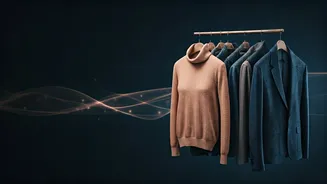
For years, e-commerce sites have used algorithms to suggest items you might like based on your browsing history. But the new wave of AI-led outfit discovery goes much further. It’s not just about recommending a new purchase; it’s about understanding your existing
wardrobe, your body shape, and the context of your life to create novel outfits. These systems use advanced machine learning and computer vision to act as a creative partner. Instead of just suggesting another blue shirt, they might show you how to pair the one you already own with a skirt you've forgotten about, tailored for the weather and the occasion you're dressing for.
How AI Becomes Your Stylist
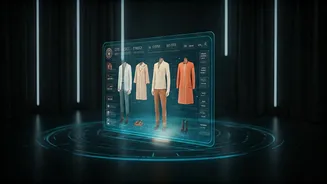
The technology powering this shift is increasingly sophisticated. Many apps now allow you to digitize your closet by simply taking photos of your clothes. AI with computer vision then automatically identifies and tags each item by category, color, and style. From there, generative AI can get to work. Much like AI tools that create text or images from prompts, these fashion AIs can generate complete outfit combinations. Some even allow for conversational queries, letting you ask, "What should I wear to a job interview next week?" and receive visual suggestions pulled from your own digital closet. This process turns outfit planning from a guessing game into a data-driven, personalized experience.
The New Digital Dressing Room
A growing number of apps are bringing this future to your smartphone. Services like Stitch Fix have expanded from curated boxes to AI-powered styling apps that build a detailed style profile based on your feedback. In June 2026, Stitch Fix even expanded its 'Vision' platform, allowing users to generate images of themselves in recommended outfits. Other popular apps like Stylegenai, Fits, and Acloset offer features ranging from AI stylist chats and cost-per-wear analytics to virtual try-ons that use your selfie to show how an outfit will look on your body. These tools are making personalized styling, once a luxury reserved for the wealthy, accessible to anyone with a phone.
The Promise of Hyper-Personalization
The main appeal of these AI stylists is hyper-personalization. By analyzing dozens of parameters—from your body shape and skin tone to your purchase history and even your calendar appointments—these platforms can offer recommendations with high accuracy. This saves time, reduces decision fatigue, and helps you rediscover and get more use out of the clothes you already own. The ability to virtually try on clothes is also a significant advantage, helping to reduce return rates by up to 40% and increase shopper confidence. For many, it's a tool that helps them explore their personal style more deeply and confidently.
A New Definition of Style?
As with any major technological shift, there are broader questions to consider. Does relying on an algorithm for style advice risk homogenizing fashion, or does it democratize it by making styling expertise widely available? Some critics worry that an over-reliance on algorithms could stifle the human creativity and emotional expression at the heart of fashion. However, many see it differently: AI isn't a replacement for human creativity but an enhancement of it. It handles the data analysis, allowing users to focus on the final, personal touch. Furthermore, by helping people make better use of their existing wardrobes, AI can also promote sustainability and reduce fashion waste.