







The Simple Science of Temperature
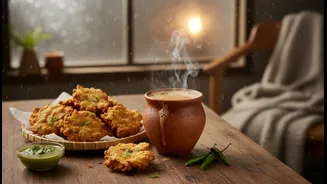
Temperature is one of the most powerful, yet overlooked, tools in the kitchen. It doesn't just make food hot or cold; it fundamentally changes how we perceive flavour. Hot foods, for example, release more aromatic compounds, which is why a warm samosa
smells so much more fragrant and inviting than a cold one. Heat can also amplify our perception of sweetness. Conversely, colder temperatures can mute certain tastes. This is why ice cream tastes much sweeter as it melts, and why a chilled drink can seem less sugary than its room-temperature counterpart. Our taste buds for sweet, bitter, and umami flavours are most receptive in a lukewarm range, from about 15°C to 35°C. Understanding this allows you to manipulate flavour intentionally. Serving vegetables piping hot can make them seem less bitter, while adding a pinch more salt to a cold dish might be necessary because cold enhances saltiness.
Why We Crave a Satisfying Crunch
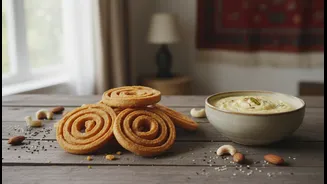
Beyond temperature, texture—often described as mouthfeel—is a huge driver of why we enjoy certain foods. There is a deep psychological connection to texture. A satisfying crunch often signals freshness and quality, like the crisp bite of a fresh vegetable or the crackle of a perfectly fried murukku. When a food that is supposed to be crispy turns out soggy, the entire experience can feel disappointing. In India, online conversations about food textures like 'crunchy' and 'creamy' have surged dramatically, showing just how much we value these sensations. Creaminess, on the other hand, is often associated with indulgence, comfort, and richness, like the smooth texture of shrikhand or a bowl of dal makhani. A chewy texture can signal satisfaction and satiety. The best snacks often feature a deliberate contrast of these elements, creating a more dynamic and engaging eating experience.
The Magic of Hot and Cold
Combining hot and cold elements in a single dish is a classic technique for creating an exciting sensory experience. The most famous example is a hot, fudgy brownie topped with a scoop of cold vanilla ice cream. The contrast is immediately delightful. This principle is deeply embedded in Indian street food as well. Consider the magic of chaat: warm and spicy chana or ragda is often topped with cool, tangy yogurt and chilled chutneys. Similarly, a hot, crisp jalebi dipped in cool, creamy rabri creates a pairing that is beloved across the country. Even a simple fruit salad becomes more refreshing and interesting when the fruits are chilled and served on a warm day. You can apply this at home easily. Try serving a warm slice of dhokla with a cool mint chutney, or pairing a hot paratha with a bowl of cold raita.
Creating Contrast: Creamy Meets Crispy
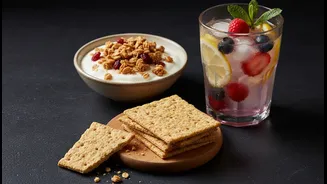
Just as potent as temperature is the interplay between textures. Pairing something creamy or soft with something crunchy or firm creates a satisfying complexity in every bite. This is the secret behind so many of our favourite foods. Think of pani puri, where the crisp, hollow puri shell shatters to release flavourful water and a soft filling of potatoes and chickpeas. It’s the crunchy sev sprinkled over soft upma or poha, and the crispy boondi in a bowl of creamy raita. You can easily introduce this contrast into your daily snacks. Serve a smooth, creamy hummus with crunchy carrot and cucumber sticks instead of soft pita. Add a handful of toasted nuts or seeds to your morning yogurt or smoothie bowl. Even a simple sandwich is improved when you use toasted, crispy bread instead of soft slices. The contrast keeps your palate engaged and makes the food more enjoyable to eat.
Easy Snack Upgrades to Try Today
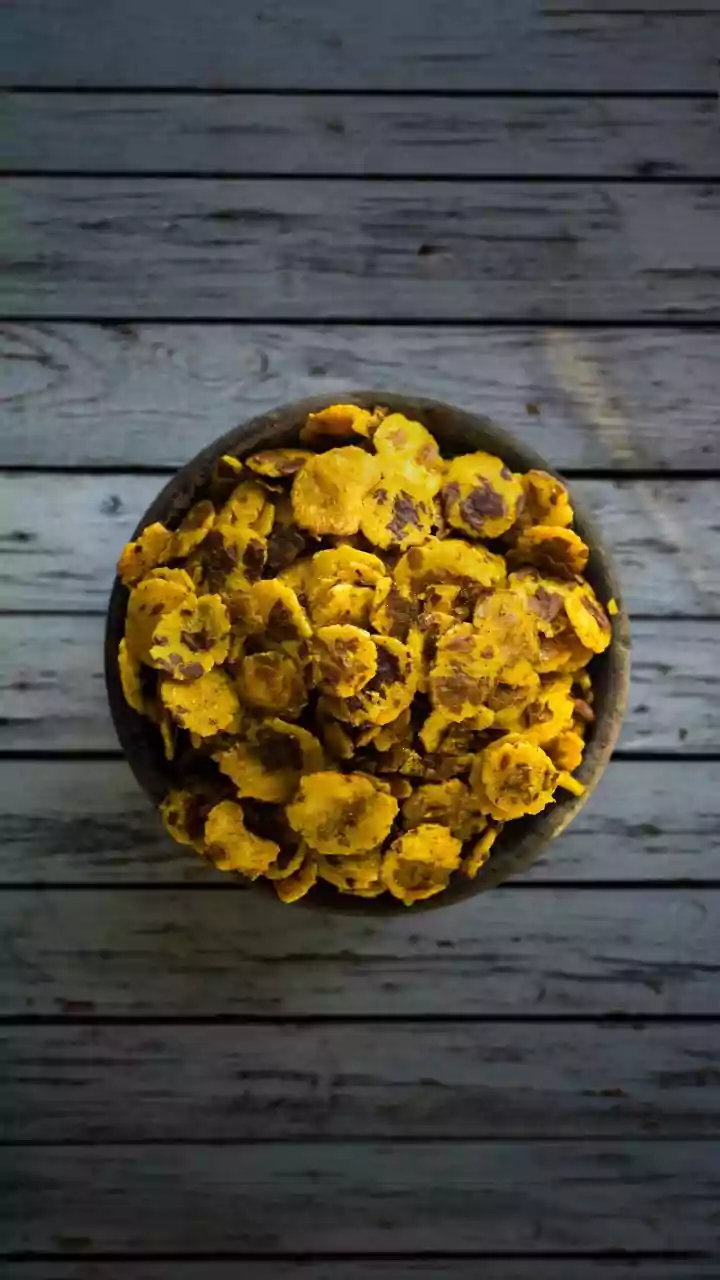
Ready to experiment? Here are some simple ideas to make your everyday snacks more interesting: Spiced Fruit Chaat: Instead of just slicing an apple, chill the fruit first, then sprinkle it with chaat masala and a squeeze of lime. The cold, sweet fruit paired with the warm, savoury spice is a fantastic combination. Elevated Dahi Vada: Ensure your vadas are soft and served at room temperature, but make sure the dahi (yogurt) is well-chilled. The temperature difference enhances the experience. Crunchy Bhel Puri: For the best bhel, make it just before eating to preserve the crunch of the murmura (puffed rice) and sev against the soft potatoes and moist chutneys. Gathiya with a Twist: Pair the crunchy, savoury gathiya with a soft, sweet and sour papaya sambharo (a quick pickle). The textural and flavour contrast is delicious. * Toasted Pav Bhaji: Instead of serving the bhaji with plain, soft pav, toast the buns with a generous amount of butter until they are golden and crisp. The crunchy bread is perfect for scooping up the soft, flavourful vegetable mash.