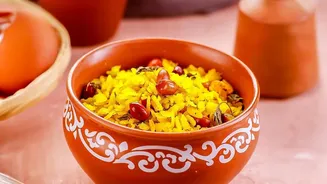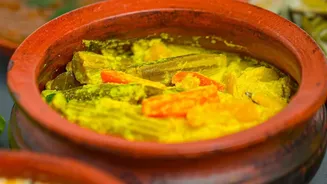

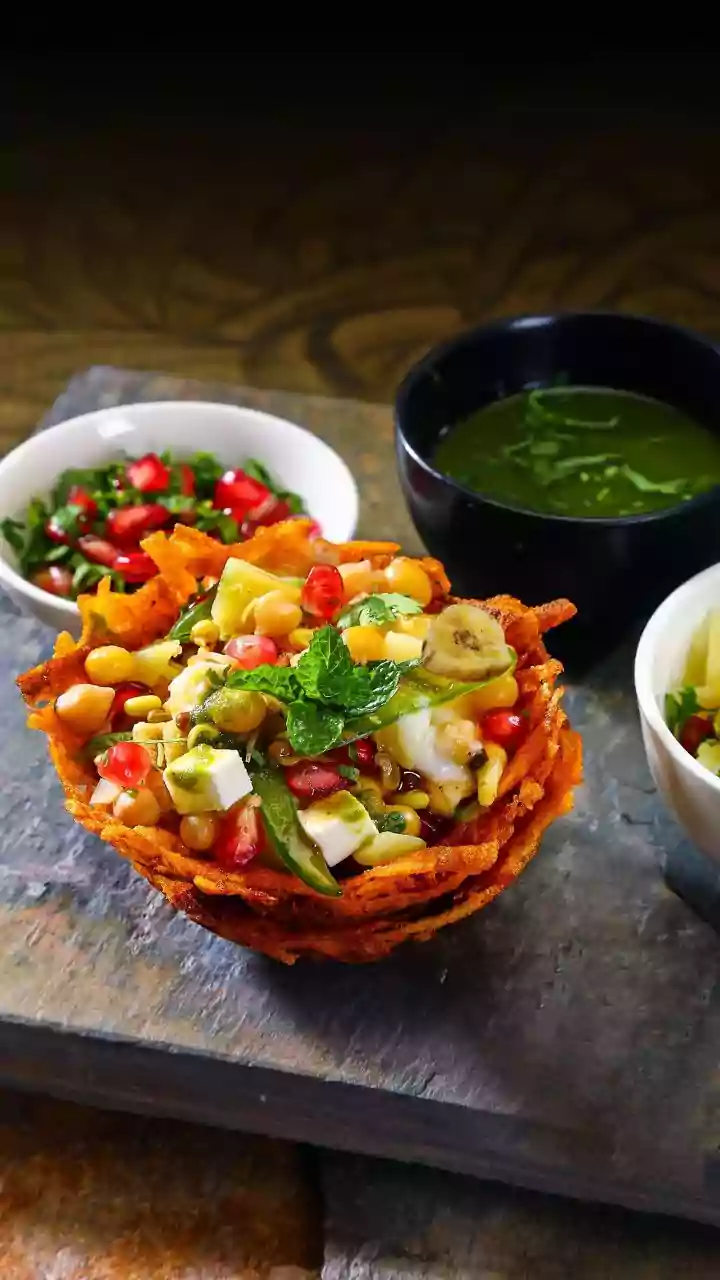
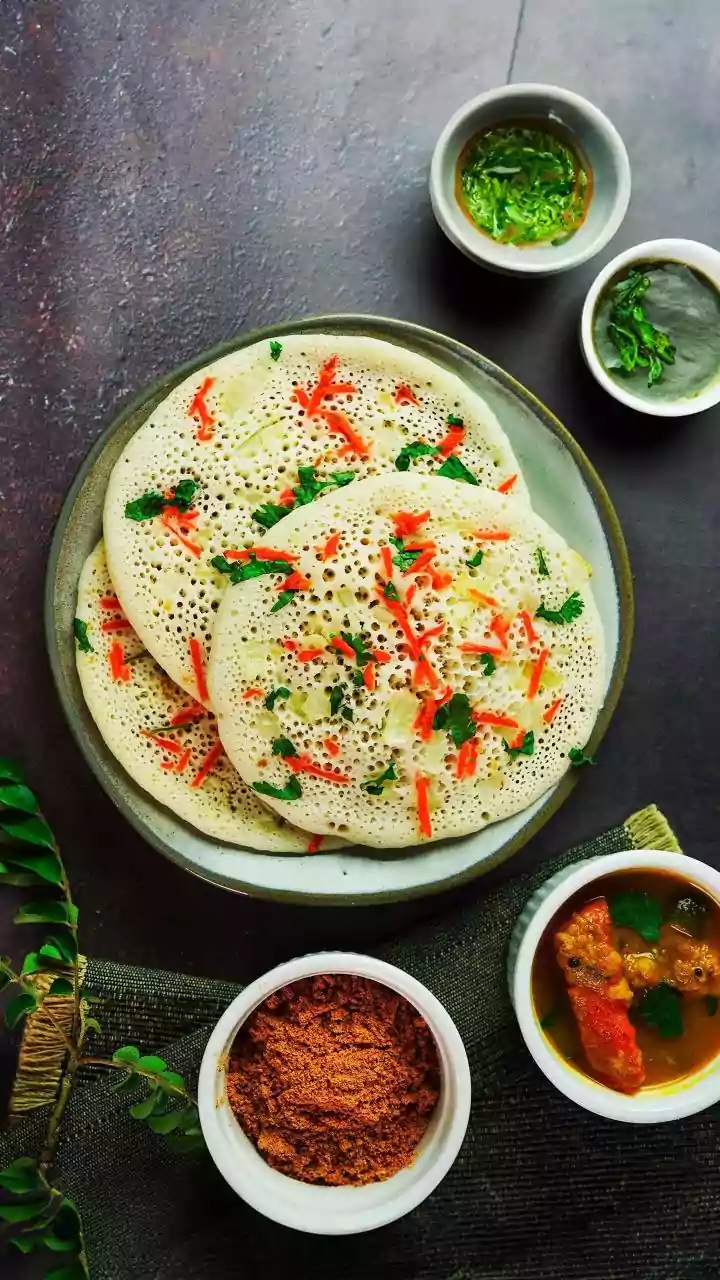
The Wisdom of a Single Pot
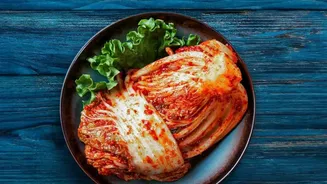
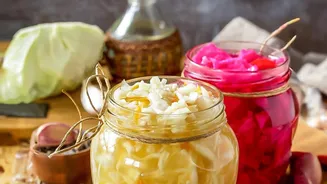
At first glance, fermentation and one-pot cooking seem to serve different purposes. Fermentation is the slow, magical transformation of ingredients by microorganisms, a process that creates complex flavours and enhances nutrition. One-pot cooking, on the other
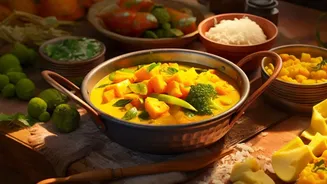
hand, is the epitome of efficiency—a complete meal simmered together, saving time, fuel, and effort. Yet, for generations, Indian home cooks have intuitively combined these two ideas into a single, elegant solution. This culinary tradition is not about elaborate recipes but about resourcefulness. It’s about taking humble, everyday ingredients and, through the patient act of fermentation followed by the simplicity of cooking everything in one vessel, creating dishes that are both profoundly flavourful and incredibly convenient. From savoury cakes to comforting porridges, this connection reveals a deep understanding of food science, long before the terms existed.
Comfort Food, Backed by Science
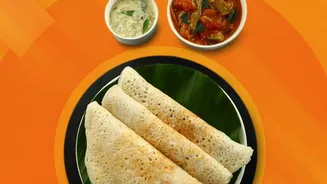
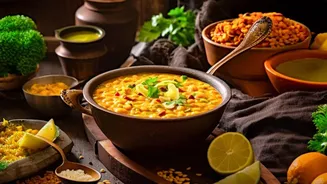
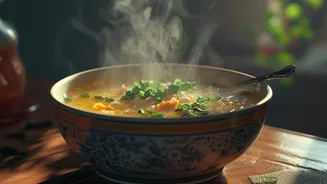
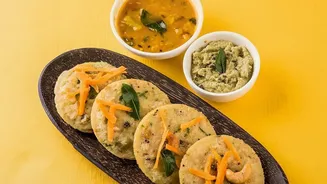
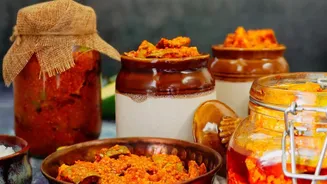
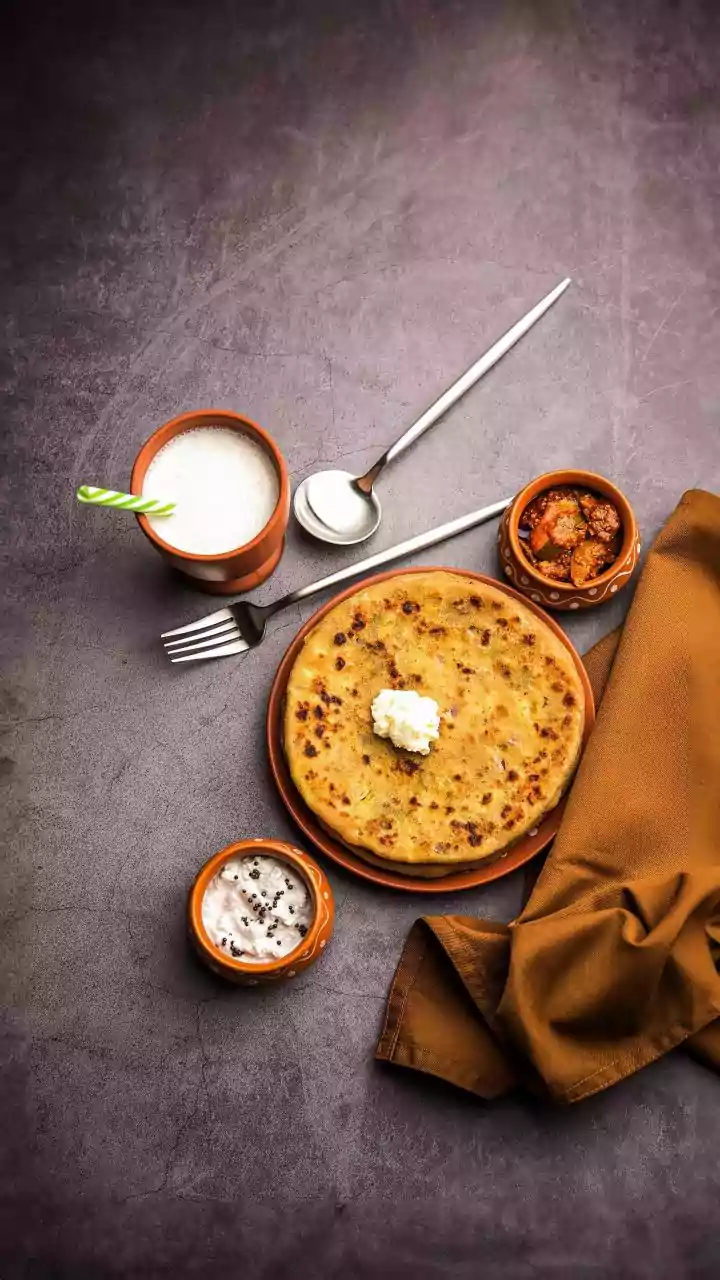
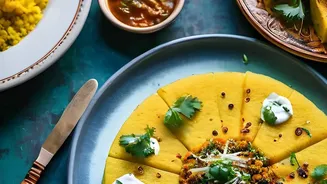
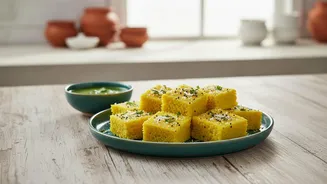
Think of Handvo, the beloved savoury cake from Gujarat. It begins with a batter of rice and lentils, which is fermented overnight. This crucial step not only leavens the batter but also begins to break down the complex carbohydrates and proteins, making it lighter and easier to digest. The fermented batter is then mixed with vegetables like bottle gourd and cooked in a single pan, resulting in a nutritious, all-in-one snack or meal. Similarly, the dhokla involves a fermented batter of gram flour that is steamed in one container. In the South, porridges like Ambali, made from fermented ragi (finger millet), and Pazhamkanji, made from leftover rice, are prime examples. Leftover rice is soaked overnight, allowing natural fermentation to occur in the pot it will be served from. The next morning, it’s a cooling, probiotic-rich meal, often enjoyed with simple additions like curd and pickle.
A Boost for Modern Wellness
What our ancestors knew through practice, modern science now confirms. The process of fermentation enriches food with probiotics, the beneficial bacteria essential for good gut health. These microorganisms help improve digestion, reduce bloating, and can even boost immunity. Furthermore, fermentation increases the bioavailability of essential micronutrients like iron, potassium, and calcium, meaning our bodies can absorb them more easily. For instance, studies have shown that the iron content in rice can increase significantly after it is fermented to make Pazhamkanji. This combination of enhanced nutrition and digestive ease makes these traditional one-pot fermented dishes remarkably relevant today, aligning perfectly with the growing focus on gut health and natural, whole foods. They offer a time-tested alternative to processed foods and supplements.
A Legacy Across Regions
This culinary tradition is not confined to one region. It's a pan-Indian practice adapted to local climates and crops. In the Northeast, dishes often feature fermented bamboo shoots cooked with rice and pork in a single pot, where the fermentation provides a distinct sour flavour without heavy spices. In many parts of central and northern India, Kanji, a fermented drink made from carrots or rice, serves as the base for Kanji Vada, where fried lentil dumplings are soaked and served in the tangy, fermented liquid. From the millet-based porridges of Karnataka to the rice-based meals of Kerala and Bengal, the principle remains the same. It’s a testament to a shared culinary wisdom that prioritizes flavour, nutrition, and practicality, passed down through generations who mastered the art of making the most of what they had.