


The Daily Dal, Elevated
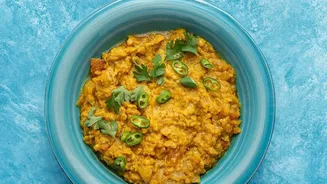
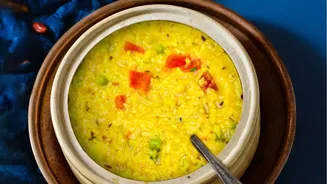
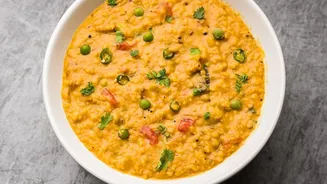
The humble dal, a cornerstone of Indian meals, is receiving one of the most significant makeovers. While traditionally a source of plant-based protein, home cooks are now boosting its profile further. The simplest upgrade involves adding vegetables directly
into the pot. Finely chopped spinach, carrots, or bottle gourd (lauki) can be tossed in while the dal cooks, effortlessly increasing its fibre, vitamin, and mineral content. Another popular technique is to improve the bioavailability of its nutrients by soaking the lentils for a few hours before cooking. This helps break down anti-nutrients like phytic acid, making it easier for the body to absorb protein, iron, and zinc. Sprouting whole dals like moong before cooking also dramatically enhances their nutritional value. To finish, a sprinkle of seeds like flax or pumpkin seeds into the finished dal or tadka adds a dose of healthy fats and omega-3s.
Reimagining the Everyday Sabzi
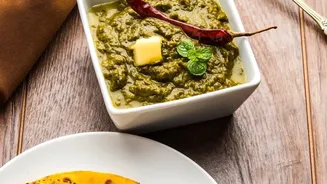
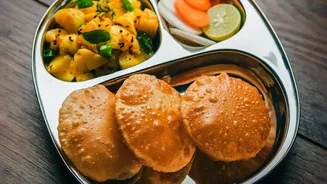
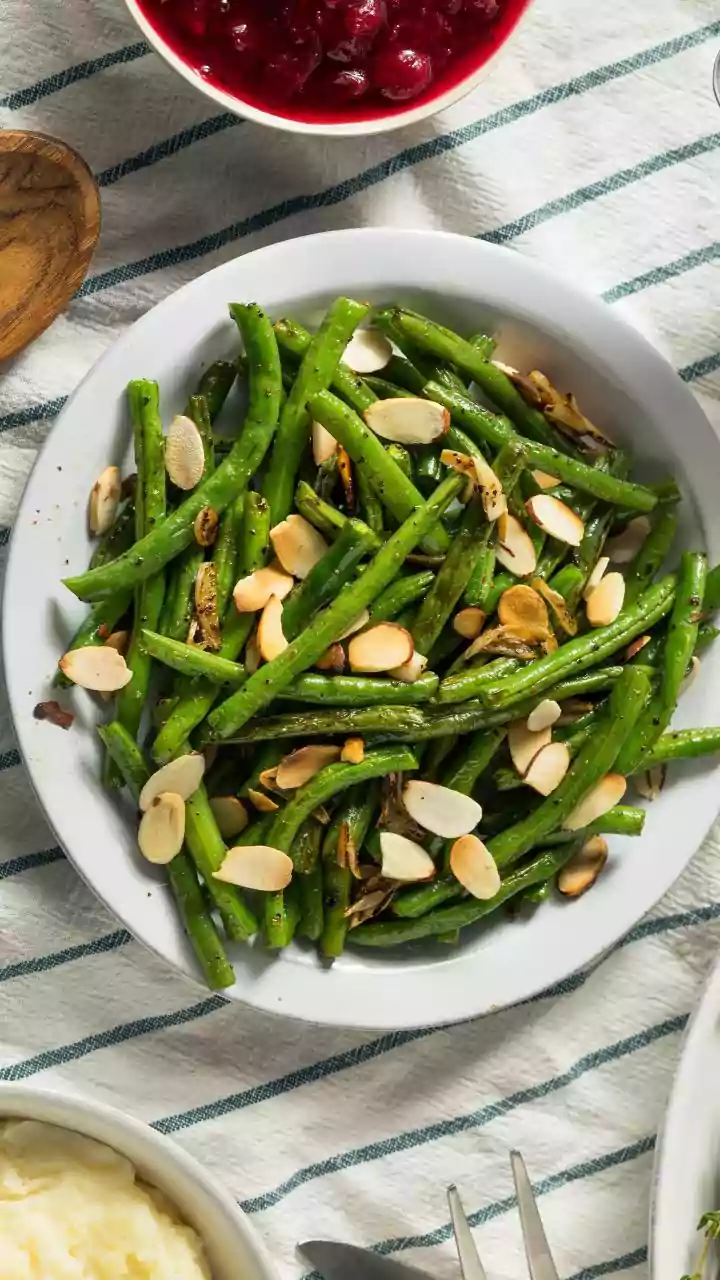
The standard sabzi is also evolving beyond the usual suspects. The focus is shifting towards variety and seasonality, moving away from an over-reliance on potatoes. A colourful plate is a nutritious plate, and cooks are consciously incorporating a wider array of vegetables like bell peppers, beans, cauliflower, and leafy greens. Cooking methods are also being reconsidered. While the flavourful tadka remains, there is a conscious move towards steaming, grilling, or light stir-frying instead of deep-frying, which significantly reduces unhealthy fats without sacrificing taste. Nutrient boosters are making an appearance here too. A teaspoon of moringa powder, for example, can be added to a cauliflower sabzi to make it more nutrient-dense. These small changes help transform a simple side dish into a powerhouse of vitamins and minerals.
The Great Grain Substitution
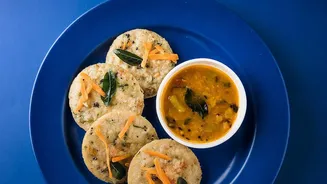
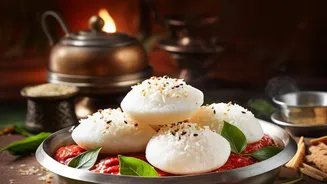
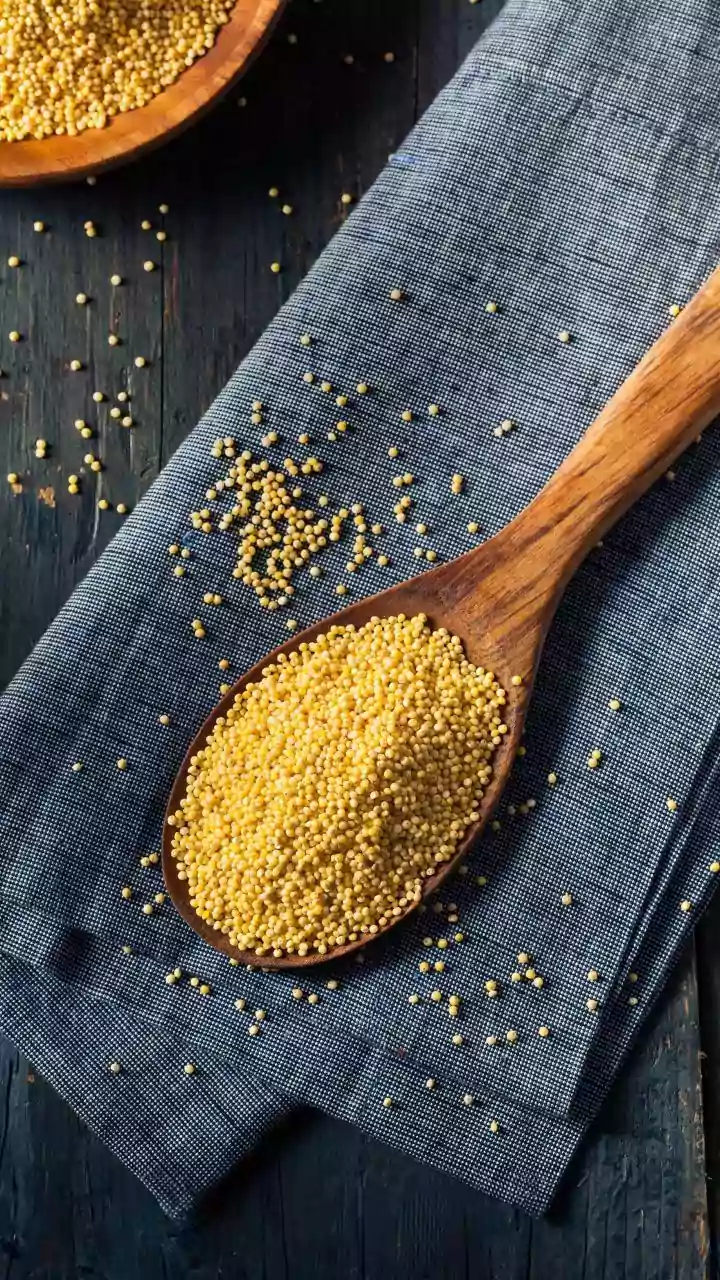
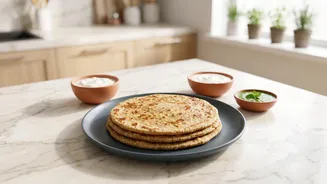
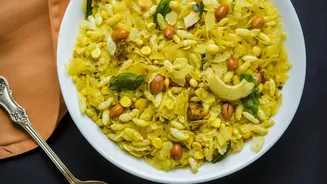
For generations, Indian meals have revolved around wheat and rice. Now, ancient grains are making a major comeback. Millets—such as jowar (sorghum), bajra (pearl millet), and ragi (finger millet)—are being woven back into the daily diet. For many, the transition starts small. Some families begin by mixing millet flour with their regular whole wheat atta in an 80:20 ratio to make rotis. This simple blend increases protein and fibre without a drastic change in taste or texture. In other households, white rice is being swapped for millets like foxtail or little millet in dishes like pulao and khichdi a few times a week. Breakfast is another easy entry point, with ragi porridge or millet upma replacing more common options. This shift doesn't just add nutritional variety; it reconnects modern plates with regional and seasonal food wisdom.
Small Tweaks, Big Impact
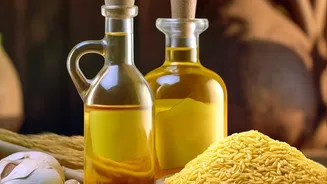
Beyond the main components of a meal, smaller adjustments are having a profound effect. The choice of cooking fat is being given more thought, with a balance between traditional ghee and cold-pressed oils. Portion control is also gaining importance, with a visual plate-balancing guide: half vegetables, one-quarter protein like dal, and one-quarter carbohydrates like roti or rice. Protein intake is being consciously tracked and boosted. A simple bowl of dahi (curd) is being upgraded to a protein-rich side by stirring in chia or flax seeds. Even the spices, long valued for flavour, are being appreciated for their health benefits, such as turmeric's anti-inflammatory properties, especially when paired with black pepper to increase absorption. These mindful choices show that upgrading your nutrition doesn't require a radical diet overhaul, but rather a series of small, intentional, and practical changes to the food you already love.