





The Monsoon's Uneven Performance
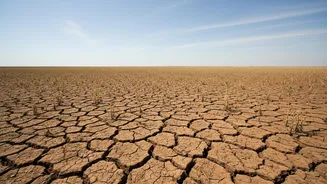
The Southwest monsoon's performance in 2026 has been a mixed bag, causing concern among farmers and economists. While some regions have seen heavy downpours, others have faced significant deficits. The India Meteorological Department (IMD) had earlier
forecast a 'below-normal' monsoon for August, citing the development of El Niño conditions, which typically suppress rainfall. As of early August, the cumulative seasonal rainfall for the country was already 12% below the long-period average. This uneven distribution is critical because consistent, widespread rain is essential for the Kharif sowing season, which is the backbone of India's agricultural output and food security.
From Paddies to Pulses: The Sowing Deficit
The direct consequence of erratic rainfall is a lag in the sowing of crucial Kharif (summer) crops. According to the latest data from the Ministry of Agriculture, as of mid-August, total Kharif sowing was down by about 2% compared to the same period last year. The most significant concerns are around major crops like rice, where acreage has declined by over 3.6%. Sowing for pulses and oilseeds has also been sluggish. While there have been some gains in specific crops like urad dal and sunflower, the overall trend points towards potential production shortfalls in staples that form the core of the Indian diet. A smaller harvest inevitably leads to tighter supply, setting the stage for price increases in the months ahead.
Which Food Items Are at Risk?
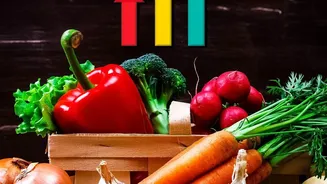
Households should brace for price pressures on several fronts. Food inflation was already on an upward trend, hitting 5.52% in July 2026 even before the full impact of the sowing deficit could be felt. Vegetables, pulses, and cereals are particularly vulnerable to monsoon performance. Recent data showed notable price increases in items like ginger and garlic, while onion prices also recorded a significant year-on-year jump. While prices for tomatoes and potatoes had eased temporarily, a weaker overall harvest could reverse these trends. Lower production of rice, a key staple, could lead to sustained price pressure, affecting household budgets across the country. Lower output of oilseeds could also mean higher prices for cooking oils, many of which India already imports.
Smart Strategies for Your Kitchen Budget
While you can't control the weather, you can adopt smarter strategies to manage your food expenses. First, track your spending. Understand where your money is going to identify which price hikes are affecting you most. Second, be flexible with your menu. If the price of a specific vegetable or dal shoots up, explore alternatives that are more affordable. Seasonal produce is often cheaper and fresher. Third, reduce waste. Plan your meals to ensure you use everything you buy. Proper storage of grains and vegetables can also extend their life and save you money. Finally, consider smart bulk buying for non-perishable items like pulses and grains when prices are stable, but avoid panic buying, which can create artificial shortages and drive prices up further.
What to Watch in the Coming Months
Stay informed about three key indicators. First, keep an eye on the weekly Kharif sowing updates from the Ministry of Agriculture to see if the acreage deficit narrows or widens. Second, watch the monthly retail inflation data, which provides a clear picture of how food prices are behaving. The next release is scheduled for mid-September. Third, pay attention to government actions. The government can use tools like releasing buffer stocks or adjusting import duties on items like pulses and edible oils to cool down prices. Understanding these factors will provide a clearer picture of the economic landscape and help you make more informed decisions for your household.