


Why Quarantine is Non-Negotiable
You've found the perfect plant at the nursery. It looks vibrant, green, and completely healthy. However, many common houseplant pests and their eggs are nearly invisible to the naked eye. Pests like spider mites, mealybugs, thrips, and scale can travel
home on a new plant, and a single infected specimen can quickly spread these problems to your entire collection. Quarantining, or isolating a new plant, provides a critical window to spot and treat any issues before they become widespread. This simple practice is the most effective way to protect your beloved indoor jungle from hidden threats.
Setting Up a Quarantine Zone
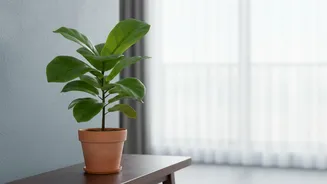
Your quarantine area should be a separate room, far from any of your other plants. A guest bathroom, a laundry room, or even a seldom-used corner of your office can work well. The key is physical separation. Many pests, like fungus gnats, can fly, while others can travel short distances between pots if they are too close. Ideally, keep the new plant in this isolated spot for a minimum of two to four weeks. This duration allows enough time for the life cycles of most common pests to progress, making them easier to spot. During this period, provide the plant with the appropriate light and water it needs to thrive so you can monitor its true health.
The Initial Head-to-Toe Inspection
Before you even place the plant in its quarantine spot, give it a thorough first look. Start with the basics. Check the overall appearance: are the stems strong and the leaves a healthy color? It's normal for a plant to be a little stressed from transport, but look for obvious red flags. Gently slide the plant out of its nursery pot to inspect the root system. Healthy roots are typically firm and white or light-colored. Also, examine the surface of the soil for any signs of mold or tiny insects. This initial check gives you a baseline for the plant's health as you begin the quarantine period.
Mastering the Leaf Check
A detailed leaf check is the heart of a successful quarantine. Perform this inspection weekly, preferably in bright, natural light. Use a magnifying glass if you have one, as many pests are incredibly small. Start by examining the tops of the leaves for any discoloration, spots, or misshapen areas. Then, carefully turn each leaf over. The undersides are a favorite hiding spot for pests like spider mites and aphids. Pay close attention to the crevices where leaves meet the stems, as mealybugs often cluster in these protected areas. Look for fine, silky webbing, which is a telltale sign of spider mites. Also check for any sticky, shiny residue known as honeydew, which can indicate the presence of aphids or scale insects.
Common Culprits and Their Signs
Knowing what you're looking for makes detection much easier. Here are a few common pests: Spider mites cause tiny yellow or silvery speckles on leaves and leave fine webbing. Mealybugs appear as small, white, cotton-like masses in leaf joints and along stems. Scale insects look like small, flat, tan or brown bumps that can be scraped off with a fingernail. Aphids are small, soft-bodied insects that cluster on new growth and the undersides of leaves. Fungus gnats are tiny, dark flies you'll see hovering around the soil, especially after watering. Spotting any of these requires immediate treatment before the plant can be introduced to your other greenery.
What to Do If You Find Pests
Discovering pests during quarantine isn't a disaster; it's the system working. If you find pests, keep the plant isolated. Most can be treated. For pests like mealybugs and aphids, a cotton swab dipped in rubbing alcohol can remove them. A thorough rinse of the plant's foliage with water can dislodge spider mites. For more persistent infestations, an application of insecticidal soap or neem oil is often effective. Follow the product instructions carefully and continue to monitor the plant. Do not end the quarantine until the plant has remained completely pest-free for at least two consecutive weeks after the final treatment.