


Why We Believe in Steam
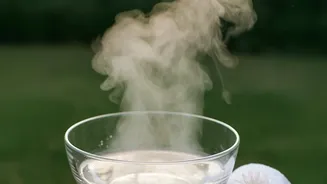
The tradition of inhaling steam to combat colds and sinus congestion is passed down through generations in many Indian households. The logic feels intuitive: breathing in warm, moist air seems to help loosen thick mucus, making it easier to breathe. The sensation
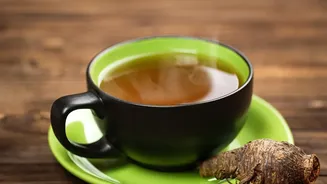
is one of immediate, albeit temporary, relief. Adding ingredients like eucalyptus, mint, or even turmeric is common practice, believed to enhance the healing properties of the steam with their anti-inflammatory or aromatic compounds. This feeling of actively doing something to fight the congestion provides a powerful sense of comfort and control when you're feeling unwell.
The Soothing Sensation vs. Scientific Proof
Herein lies the critical distinction: feeling better is not the same as getting better. While the warmth of steam can soothe irritated nasal passages and the moisture may temporarily thin mucus, there is no strong scientific evidence to suggest that steam inhalation can cure a sinus infection. A large-scale clinical trial from the University of Southampton found that steam inhalation was not effective in relieving the core symptoms of chronic sinusitis. At best, it provided some relief from headaches associated with the condition. The steam does not kill the viruses or bacteria causing the infection; it only offers short-term symptomatic relief while your body does the real work of fighting the illness.
Are There Risks to Steaming?
While generally considered a gentle remedy, steam inhalation is not without risks. The most significant danger is accidental burns or scalds from spilling the hot water, a particular concern for children but a real risk for adults as well. Using water that is too hot can also potentially damage the delicate lining of your nasal passages. For individuals with certain respiratory conditions like asthma, the hot, humid air could even trigger breathing difficulties. Furthermore, some dermatologists warn that frequent facial steaming can open pores and potentially lead to dryness or other skin issues if not followed by proper hydration.
What About the Added Herbs?
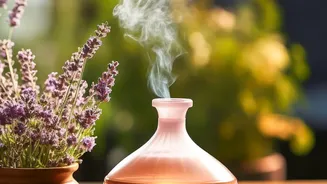
Many people add essential oils like eucalyptus or herbs like peppermint to their steam. Compounds in these plants, such as 1,8-cineole in eucalyptus and menthol in peppermint, are known for their ability to create a cooling sensation and may possess anti-inflammatory properties. Inhaling them can feel like it's opening up your airways. However, it's important to understand this is largely a sensory effect. While these compounds might offer some benefits, they don't treat the root cause of the infection. Moreover, concentrated essential oils can sometimes irritate the airways or skin, especially in sensitive individuals.
Clinically Supported Sinus Relief
If steam isn't the answer, what is? Medical experts recommend several evidence-based approaches for managing sinus symptoms. Saline nasal irrigation, using a neti pot or a squeeze bottle, is highly recommended. This practice physically flushes out mucus and allergens from the nasal passages, providing effective relief. Over-the-counter nasal corticosteroid sprays can help reduce inflammation and swelling. Staying well-hydrated by drinking plenty of water helps to naturally thin mucus, making it easier to clear. A simple warm compress applied to the face can also ease pressure and pain. If symptoms are severe or persist for more than 10 days, it could indicate a bacterial infection that requires antibiotics, making a doctor's visit essential.