




The New, Unpredictable Monsoon
India's life-giving monsoon is changing. Instead of a predictable season of steady rain, the country is increasingly experiencing weather whiplash: long, dry spells broken by sudden, intense downpours. This shift, driven by a warming climate, means that
rain is often too little or too much. The once-reliable pattern that dictated everything from farming to forest life is becoming a source of uncertainty and stress for ecosystems not built for such extremes. This new reality is altering landscapes, with studies showing significant forest loss in areas grappling with these shifts in rainfall and temperature.
Thirsty Trees, Drowning Roots
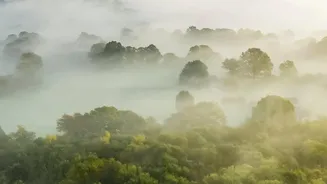
Plant life is the foundation of any forest, and it is on the front lines of this climatic shift. Prolonged dry spells increase the risk of drought and forest fires, as seen in protected areas like the Panchmarhi Biosphere Reserve. Trees become stressed, and some forests are transitioning into drier scrublands. Conversely, sudden, intense rainfall can lead to flash floods that wash away saplings, erode topsoil, and create waterlogged conditions that suffocate roots. This double-edged sword of drought and deluge threatens the very structure of India's forests, from the mighty sal trees to the delicate undergrowth.
A Disrupted Natural Calendar
For wildlife, timing is everything. But changing rainfall is throwing nature's calendar into disarray. Scientists have observed that altered moisture levels and temperatures are causing some trees to flower and fruit at unusual times. This creates a 'phenological mismatch'—a situation where plants and the animals that depend on them fall out of sync. Pollinators like bees and birds may arrive to find no nectar, while herbivores find that their usual food sources have peaked too early or not at all. This disruption cascades up the food chain, affecting predators who find their prey in decline.
Wildlife on the Move
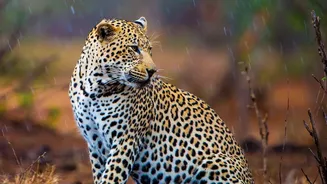
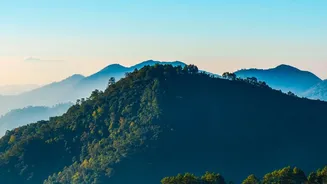
As their habitats change, animals are forced to adapt or move. Elephants in southern India are wandering beyond their traditional territories in search of water, a behaviour that unfortunately increases the chances of human-elephant conflict. In the Himalayas, iconic species like the snow leopard are being pushed to higher altitudes as their hunting grounds warm. Water scarcity in central India can drive tigers and leopards into human settlements. These migrations are not orderly adjustments but desperate journeys that destabilise ecosystems and create new challenges for both conservationists and local communities.
The Silent Victims
Among the most vulnerable to rainfall changes are the forest's smaller inhabitants. Amphibians, with their permeable skin, are acutely sensitive to changes in moisture. Sudden dry spells during the monsoon can be catastrophic; in the Western Ghats, entire egg clutches of the rare Matheran Wrinkled Frog have been observed drying up before they can hatch. The populations of crucial insects, which form the base of the food web for birds, reptiles, and even other insects, can plummet during these extreme weather events, triggering far-reaching consequences throughout the ecosystem.