

Why Grow Your Own This Monsoon?
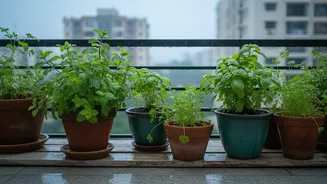
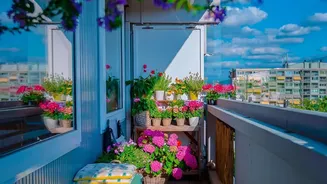
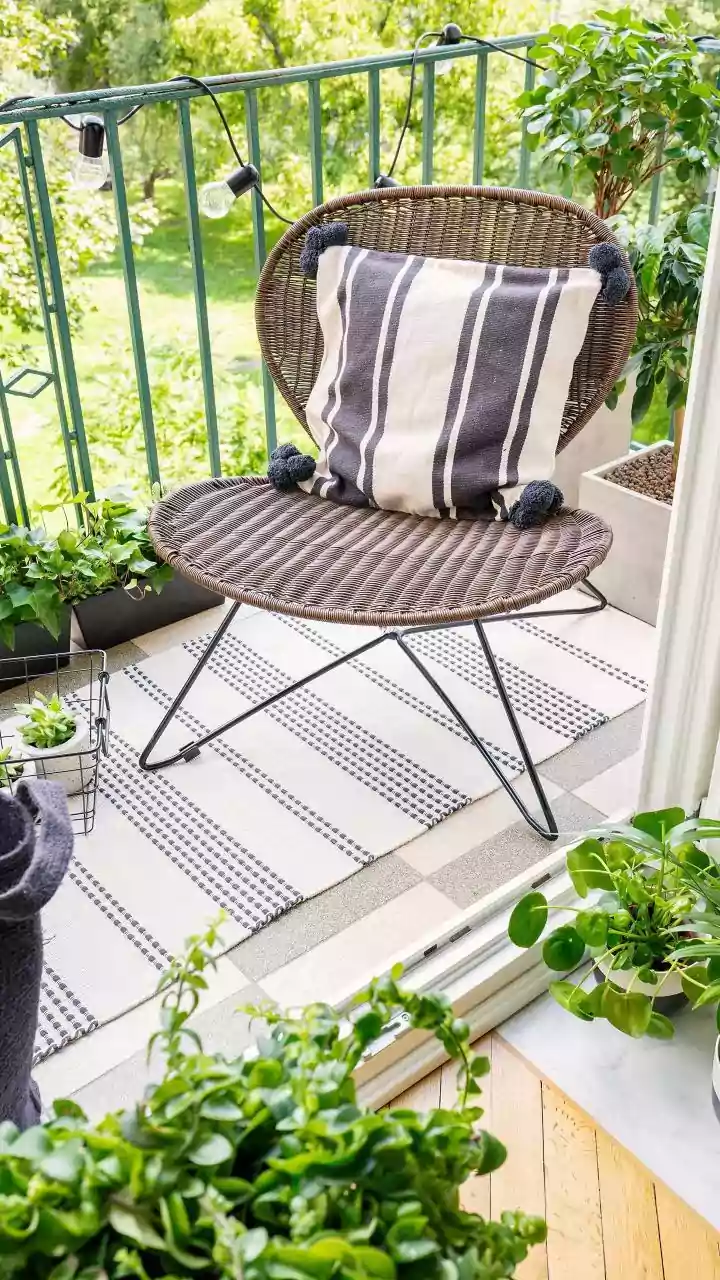
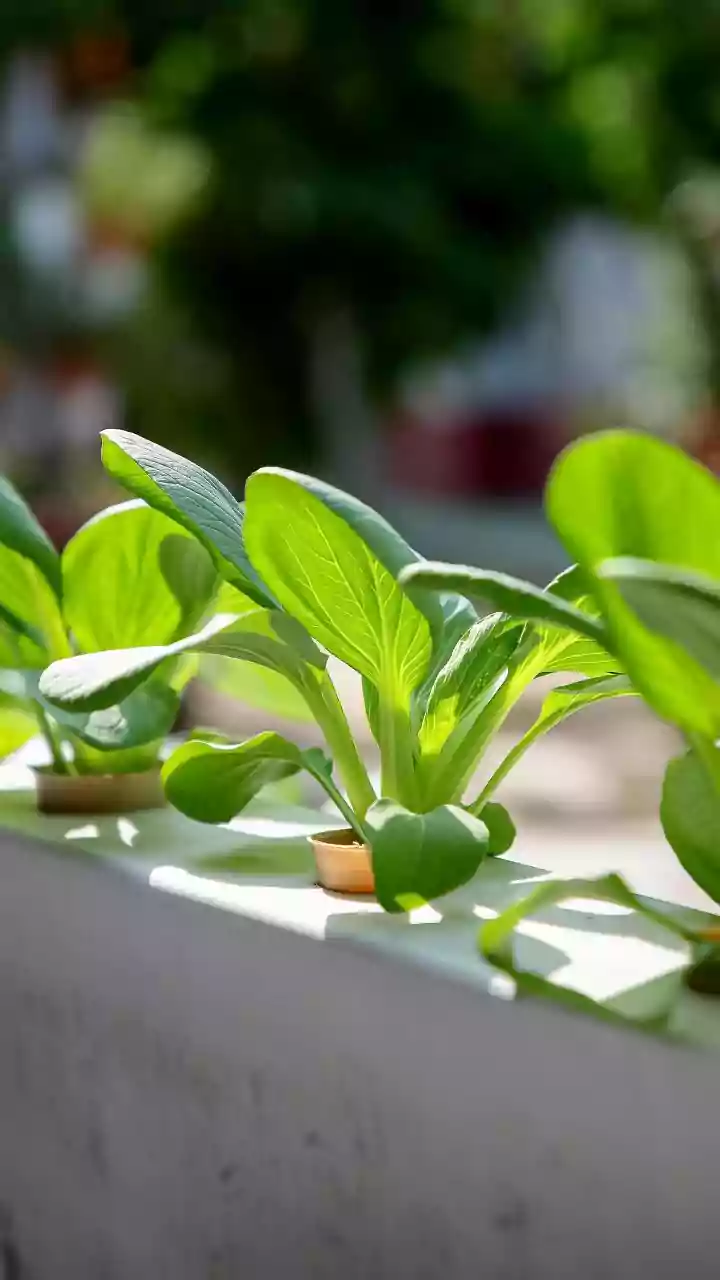
The desire for fresh, pesticide-free produce is driving many to transform balconies and kitchen windows into mini herb gardens. The monsoon season provides an ideal climate for many herbs, with ample moisture and moderate temperatures that encourage lush
growth. Beyond the incredible flavour of freshly plucked leaves in your chai, chutney, or curry, home gardening is a rewarding and stress-busting hobby. You control what goes into your food, save money on groceries, and gain the satisfaction of nurturing something from seed to plate. It’s a simple joy that adds a touch of green to your home and a burst of flavour to your life.
Getting Started: The Essentials
You don’t need a large space to begin. A sunny windowsill, a small balcony, or a patio corner is sufficient for a few pots. For mint, basil, and coriander, choose containers that are at least 6-8 inches deep and wide to allow for healthy root growth. Terracotta pots are an excellent choice as they are porous and prevent waterlogging. The most crucial element is a well-draining soil mix. A combination of garden soil, organic compost, and coco-peat or sand works best, as it provides nutrients while preventing roots from sitting in water—a common issue during the rains. Ensure every pot has drainage holes at the bottom.
Mastering Mint (Pudina)
Mint is famously easy to grow and a perfect herb for beginners. It’s so vigorous, in fact, that it’s best to plant it in its own pot to prevent it from taking over your other plants. You can easily propagate mint from a healthy cutting bought from the market. Simply place a stem in a glass of water until roots appear, then plant it in a pot. Mint is not too fussy about sunlight and can tolerate partial shade, making it ideal for spots that don't get direct sun all day. During the monsoon, be careful not to overwater. Water only when the top inch of the soil feels dry. Regular harvesting by pinching off the top leaves will encourage the plant to grow bushier and more productive.
The Best Basil (Tulsi and Italian)
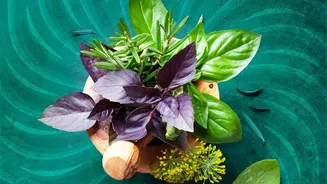
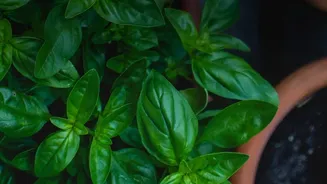
Basil, whether it's the sacred Tulsi or the sweet Italian variety used in pesto, loves warmth and sunlight, requiring at least 4-6 hours a day. It can be grown from seeds or cuttings. While it loves a good watering, its leaves are sensitive to the heavy downpours of monsoon. If your pots are in an open area, consider moving them to a sheltered spot during intense rain to prevent damage and fungal issues. A well-draining soil is essential to avoid root rot. For a continuous supply, pinch off the flower heads as soon as they appear; this directs the plant's energy back into producing flavourful leaves.
Conquering Coriander (Dhania)
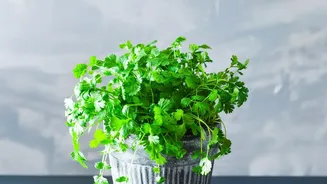
Coriander can be slightly trickier, as it is prone to 'bolting' (flowering prematurely) in hot weather. However, the cooler, overcast days of the monsoon are perfect for growing lush leaves. For best results, use whole coriander seeds from your kitchen spice rack. Gently split them in half and soak them overnight before sowing. Sow the seeds about half an inch deep in a wide, deep pot. Coriander needs 4-5 hours of sunlight but benefits from afternoon shade. The key to a constant supply is succession planting—sow a new batch of seeds every two to three weeks. This ensures you always have fresh dhania ready for garnishing.
Monsoon Care and Pest Control
The biggest challenge during the monsoon is managing water. High humidity and rain increase the risk of fungal diseases like powdery mildew and root rot. Always check if the soil is dry before watering, and ensure your pots have excellent drainage. Good air circulation is also key, so avoid overcrowding your plants. The damp weather can also attract pests like aphids and mealybugs. Inspect your plants regularly, especially the undersides of leaves. Most minor infestations can be handled by spraying a simple solution of neem oil and water, a safe and organic option for edible plants.