


The Golden Spice We All Know
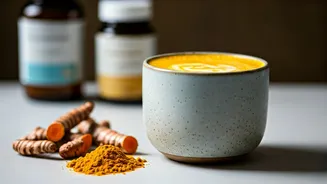
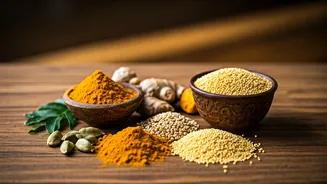
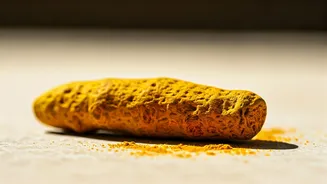
Turmeric, or *haldi* as it’s lovingly called in households across India, is more than just a spice that gives curry its vibrant colour. For centuries, it has been a cornerstone of Ayurvedic medicine and traditional beauty rituals. Remember the *haldi* ceremony
at weddings? It’s not just for show. This ritual is rooted in the belief that turmeric purifies and blesses the skin, giving brides and grooms a radiant glow. The magic lies in its active compound, curcumin, a powerhouse of antioxidant and anti-inflammatory properties that modern science is now beginning to validate.
Soothes Inflammation and Redness
If you struggle with sensitive, irritated skin, turmeric might be the gentle hero you need. Curcumin is a potent anti-inflammatory agent. This means it can help calm down the underlying inflammation that causes redness, puffiness, and discomfort. For those dealing with conditions like mild rosacea or eczema, a turmeric-based mask can offer soothing relief by neutralising free radicals and reducing irritation. It works by inhibiting the molecules known to play a major role in causing inflammation, offering a natural way to bring peace to stressed-out skin.
A Natural Fighter Against Acne
Pimples often pop up at the worst times, but a consistent routine with the right ingredients can help keep them at bay. Turmeric possesses natural antiseptic and antibacterial properties, which is why it has been traditionally used to tackle breakouts. It can help cleanse your pores and stop the growth of acne-causing bacteria. Unlike harsh chemical treatments that can strip your skin of its natural oils, leading to more irritation, a turmeric paste is much gentler. When combined with other soothing ingredients like honey or yoghurt, it can help manage acne without causing excessive dryness.
Brightens Skin and Fades Dark Spots
Everyone wants that luminous, even-toned complexion, and turmeric is famous for its brightening effects. It can help fade hyperpigmentation, acne scars, and dark spots over time. The science suggests that curcumin can inhibit the production of melanin, the pigment responsible for dark spots and an uneven skin tone. Regular use can help lighten pigmentation and reveal a more radiant, uniform complexion. This is the ancient wisdom behind the pre-wedding *haldi* glow—it naturally illuminates the skin from within.
How to Use Turmeric in Your Routine
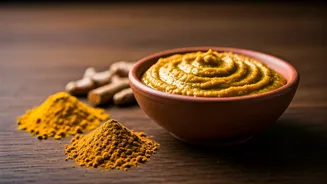
Ready to give it a try? It’s simple. But first, a word of caution: regular kitchen *haldi* can stain your skin yellow! For facial application, it's best to use *kasturi manjal* (wild turmeric), which is less likely to stain. Always do a patch test on your arm before applying to your face to check for any allergic reaction. A simple and effective DIY face mask recipe: 1. Mix 1 teaspoon of *kasturi manjal* with 2 tablespoons of plain yoghurt (*dahi*) or milk. 2. For extra hydration and antibacterial benefits, add 1 teaspoon of raw honey. 3. For an exfoliating paste, mix it with gram flour (*besan*) and a little water or rose water. Apply the paste to clean skin, leave it on for 10-15 minutes, and rinse thoroughly with warm water. Use it once or twice a week for best results.