






The Purity of the Press: What 'Cold-Pressed' Means
Before we dive into the specifics of mustard and groundnut, it's essential to understand what makes cold-pressed oils different. Unlike refined oils, which are extracted using high heat and chemical solvents, cold-pressed oils are produced through a simple
mechanical process. Seeds or nuts are crushed at low temperatures, a method that preserves the oil's natural nutrients, antioxidants, flavour, and aroma. This gentle extraction avoids the degradation and creation of toxic substances that can occur when oils are heated to high temperatures during refining. The result is a purer oil that is closer to its natural state, free from chemical residues and packed with the goodness of the original ingredient.
The Pungent Power of Mustard Oil
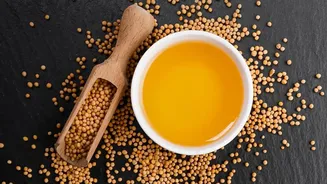
Known as 'sarson ka tel', cold-pressed mustard oil has been a cornerstone of North and East Indian cooking for centuries. Its signature pungency and sharp flavour are not just for taste; they are a sign of its potent properties. Mustard oil is rich in monounsaturated and polyunsaturated fats (MUFAs and PUFAs), including a beneficial ratio of omega-3 and omega-6 fatty acids. This profile is known to support heart health by helping lower bad cholesterol (LDL) and raise good cholesterol (HDL). It also boasts significant anti-inflammatory, antibacterial, and antifungal properties. With a high smoke point of around 250°C (480°F), it is incredibly versatile for Indian cooking methods like tadkas, sautéing, and frying, preserving its nutritional integrity even at high heat.
The Versatile Goodness of Groundnut Oil
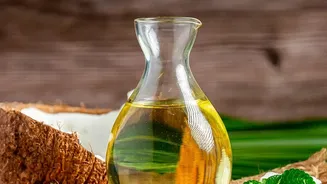
Cold-pressed groundnut oil, popular in Western and Southern India, offers a milder, nuttier flavour that makes it highly adaptable for daily cooking. Its primary strength lies in its excellent nutritional profile. It is a fantastic source of Vitamin E, a powerful antioxidant that protects cells from damage and supports a strong immune system. Groundnut oil is also rich in heart-healthy monounsaturated fats and contains resveratrol, an antioxidant linked to cardiovascular health. While its smoke point is slightly lower than mustard oil at around 160°C, it is still robust enough for most Indian cooking, including frying and sautéing, without breaking down into harmful compounds. Its gentle flavour enhances dishes without overpowering them.
A Perfect Pair for the Indian Kitchen
The choice between mustard and groundnut oil isn’t about which one is better, but about how they complement each other. Many households find it ideal to keep both. The bold, sharp character of mustard oil is perfect for dishes where the oil itself is a key flavour component, such as in pickles, certain sabzis, and Bengali fish curries. Its antimicrobial properties also make it an excellent natural preservative for pickles. Groundnut oil’s neutrality and stability make it a reliable workhorse for everyday dal, vegetable stir-fries, and deep-frying snacks where you want the flavour of the spices and main ingredients to shine. By using both, you can create a versatile, regionally authentic, and nutritionally balanced cooking environment at home.
Making an Informed Choice
The return to traditional oils is driven by a growing appreciation for flavour and transparency. For decades, the convenience and neutral taste of refined oils dominated kitchens, but at the cost of regional culinary identity and nutritional value. When choosing a cold-pressed oil, look for terms like 'kachi ghani' or 'wood-pressed', which indicate traditional, low-temperature extraction methods. The oil should have a distinct colour and aroma characteristic of its source. While they might be priced higher than refined alternatives due to lower yields and less industrial processing, their concentrated flavour often means you can use less. Storing them in a cool, dark place ensures they retain their freshness and potent qualities.