


First, Follow the Sun
Before you buy a single seed or pot, spend a day observing your balcony. The single most important ingredient for growing vegetables is sunlight. Most fruiting vegetables like tomatoes, chillies, and brinjals need at least 5-6 hours of direct, unfiltered
sunlight. Leafy greens like spinach and coriander can manage with a bit less, around 3-4 hours. Don't have a super sunny spot? Don't worry. Herbs like mint and some varieties of lettuce can thrive in partial shade. Identify your sunniest corner—this is your prime real estate. Understanding your light conditions is the first and most crucial step. It dictates what you can grow and where you should place your pots. This simple observation will save you from the disappointment of a plant that refuses to grow.
Give Your Plants a Good Home
Your plants need a container to live in, but not just any container will do. And please, do not just dig up soil from a nearby park! Urban soil is often compacted, low in nutrients, and may contain contaminants. Instead, invest in a good quality potting mix from a local nursery or online store. This is a specially formulated, lightweight mixture of cocopeat, compost (like vermicompost), and other materials that holds moisture while allowing roots to breathe. For containers, you have options: traditional terracotta pots (great for breathability), recycled plastic containers (make sure to drill drainage holes!), or fabric grow bags (excellent for root health). Whatever you choose, ensure it has holes at the bottom. Without drainage, water will stagnate, leading to root rot—the number one killer of potted plants.
Your Beginner's Veggie Starter Pack
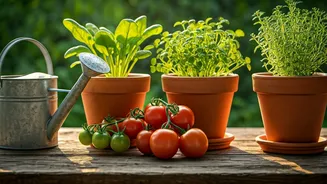
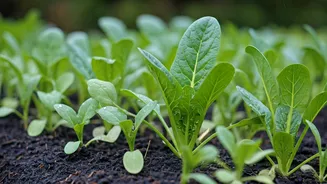
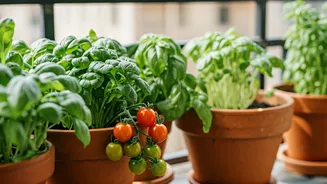
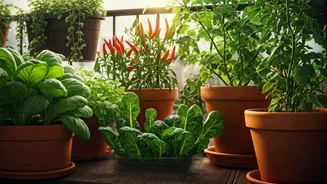
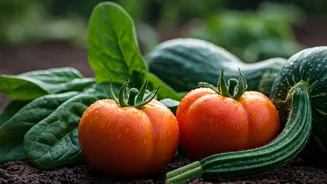
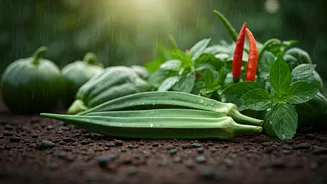
The key to building confidence is starting with guaranteed wins. Forget the exotic vegetables for now. Focus on these forgiving, high-reward plants that are perfect for Indian climates: * **Chillies (Mirchi):** A quintessential part of Indian cooking, chilli plants are incredibly resilient. They love the sun and will reward you with a steady supply for your tadkas and chutneys. * **Tomatoes (Tamatar):** Start with cherry tomato varieties. They are more prolific and disease-resistant in pots than their larger cousins. The joy of plucking a sun-warmed tomato straight from the vine is unmatched. * **Mint (Pudina):** This one is almost impossible to kill. It thrives in semi-shade and grows aggressively. Keep it in its own pot unless you want it to take over your entire garden. Perfect for chai, raita, and mojitos. * **Spinach (Palak):** A cool-season crop that grows quickly. You can harvest the outer leaves, and the plant will continue to produce more from the centre. It’s a cut-and-come-again hero. * **Coriander (Dhania):** Can be a bit tricky with temperature, but growing it in a wide, shallow pot and harvesting it young gives you the freshest garnish imaginable.
Watering: The Golden Rule
More balcony plants die from overwatering than underwatering. The impulse is to 'care' for your plant by giving it water every day, but this can suffocate the roots. The best way to know if your plant needs water is the 'finger test'. Stick your index finger about an inch into the soil. If it feels dry, it's time to water. If it feels moist, wait another day. Water thoroughly until you see it running out of the drainage holes, then let the soil dry out slightly before watering again. In the peak of summer, you might need to water daily, but during monsoon or cooler weather, you might only need to water every few days. Your plants will tell you what they need; you just have to learn to listen.
Pests Are Not a Catastrophe
Sooner or later, you will find a bug on your plant. This is not a sign of failure; it’s a sign of a living ecosystem. The most common culprits are small insects like aphids and mealybugs. Don't reach for harsh chemical pesticides, especially on food you plan to eat. Your first line of defence is a strong jet of water to knock them off. For more persistent issues, a simple solution of neem oil mixed with a little liquid soap and water, sprayed on the leaves (especially the undersides), works wonders. It's an organic, effective way to manage pests without harming your plants, yourself, or beneficial insects like bees.