




The Annual Monsoon Malaise
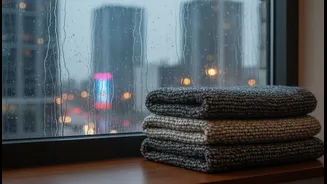
For anyone living in an Indian city, the arrival of the monsoon is a mixed blessing. While the rains bring relief from scorching heat, they also usher in high humidity that seeps into everything. Walls become damp, clothes take forever to dry, and a persistent
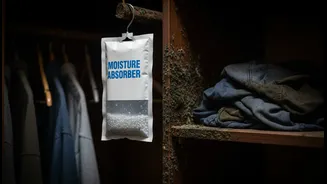
musty smell can take over apartments. This environment is the perfect breeding ground for mould and mildew, which are not just unsightly but can also pose health risks, triggering allergies and respiratory issues. In compact urban homes where ventilation can be a challenge, this seasonal dampness becomes a recurring problem that affects comfort and well-being.
Enter High-Tech Textiles
Instead of just reacting with temporary fixes, many are now turning to a preventative solution: anti-mould fabrics. These are textiles that are either naturally resistant to microbial growth or have been treated with special agents to inhibit it. Some materials, like hemp, are naturally antibacterial and mould-resistant. Others, like certain cottons or synthetic blends, are treated with antimicrobial substances that attack pathogens on a cellular level, preventing them from growing. These treatments create a barrier that makes it difficult for mould spores to take hold, even in the humid conditions typical of the rainy season. Popular options include naturally breathable materials like linen and specific cotton weaves, as well as innovative fabrics like bamboo, which is known for being hypoallergenic and moisture-wicking.
More Than Just Mould Prevention
The appeal of these fabrics goes far beyond just preventing black spots on curtains. A key benefit is the reduction of musty odours, which are caused by the growth of bacteria and fungi in damp textiles. By inhibiting this growth, anti-mould towels, bedsheets, and upholstery stay fresher for longer. This contributes to better indoor air quality and a healthier living environment, which is a major concern for a health-conscious generation. Furthermore, by preventing the degradation caused by mould, these fabrics often have a longer lifespan, making them a more durable and sustainable investment. This aligns perfectly with a growing desire to buy fewer, better-quality items.
The Millennial Mindset: Proactive Wellness at Home
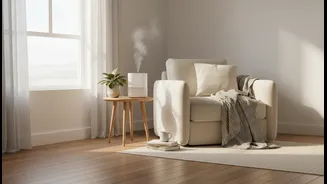
The trend is less about a single product and more about a broader shift in consumer mindset, particularly among millennials. This demographic is increasingly focused on proactive and preventative health. They see their homes not just as a place to live, but as a space to be optimised for well-being. Spending on home wellness, from air purifiers to ergonomic furniture, is on the rise. Anti-mould fabrics fit neatly into this philosophy. It's a small, smart upgrade that solves a practical problem while also contributing to a healthier, more comfortable, and longer-lasting home environment. This generation is willing to invest in solutions that offer long-term value and peace of mind, especially when it comes to health.
Making the Switch: What to Look For
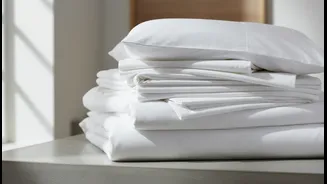
Incorporating anti-mould textiles into your home is becoming easier as more brands cater to this demand. Key items to consider for an upgrade include towels, shower curtains, bed linens, cushion covers, and curtains—items most susceptible to dampness. When shopping, look for fabrics that are naturally breathable and moisture-wicking, such as pure cotton, linen, bamboo, and hemp. For treated fabrics, look for labels that specify 'antimicrobial' or 'mould-resistant' properties. While some treatments can wear off over time, many are designed to last for numerous washes, offering sustained protection throughout the monsoon and beyond. Even simple choices, like opting for pure cotton with a breathable weave over synthetic blends, can make a significant difference in humid Indian conditions.