






From Ritual to Experience
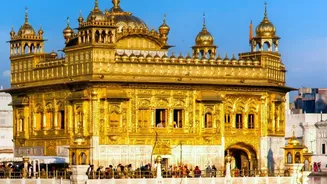
Travel linked to faith has always been the bedrock of domestic tourism in India, accounting for an estimated 60% of all travel. For decades, this involved traditional pilgrimages—journeys undertaken out of devotion to places like Tirupati, Shirdi, or as part
of the Char Dham yatra. But the market is undergoing a significant transformation. The old model, driven by ritual and obligation, is giving way to a new trend where the journey itself is the destination. Today’s spiritual tourism is less about just a temple visit and more about an integrated experience that includes cultural immersion, personal growth, and mental well-being. Experts note a clear shift from 'ritual-led travel' to 'experience-led journeys'. Travellers are no longer content with just completing a checklist of shrines; they seek better accommodation, seamless transport, and curated itineraries that feel like a holistic trip.
A New Generation of Seekers
Driving this change is a surprising new demographic: young travellers. Millennials and Gen Z are now a dominant force in spiritual travel, exploring destinations like Varanasi, Rishikesh, and Ujjain. According to recent data from booking platforms, travellers in the Gen Z and young adult bracket accounted for over 53% of journeys to spiritual destinations in the last fiscal year, a noticeable increase from the previous year. Unlike previous generations, their motivations are multifaceted. They are drawn not just by faith, but by a desire for cultural experiences, mental peace, and personal discovery. For this digital-native generation, a spiritual journey often combines devotion with adventure, local cuisine, and 'content-worthy' moments, blending the sacred with the shareable.
The Synergy with Wellness and Nature
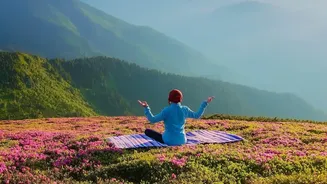
The lines between spiritual, wellness, and nature tourism are blurring, creating a powerful, combined market. A trip to the mountains is no longer just a trek; it can be a 'healing experience in nature' that incorporates meditation and mindfulness. Destinations like Rishikesh, the 'Yoga Capital of the World', perfectly exemplify this trend, attracting global and domestic tourists for yoga retreats, meditation programs, and spiritual rejuvenation. This convergence is creating new travel products, from wellness cruises on Kerala's backwaters that offer Ayurveda treatments to luxury Himalayan resorts providing detox and meditation programs. This approach caters directly to the modern traveller's search for holistic health—a state of balance for the mind, body, and soul.
An Economic Powerhouse in the Making
The economic impact of this boom is staggering. In 2022, revenue from religious tourism in India was estimated at over ₹1.34 lakh crore, with projections suggesting the market could grow significantly in the coming years. Government investment has been a major catalyst. Schemes like PRASAD (Pilgrimage Rejuvenation and Spiritual, Heritage Augmentation Drive) are transforming key sites by developing world-class infrastructure, improving connectivity, and enhancing visitor amenities. The development of pilgrimage corridors like Kashi Vishwanath in Varanasi and Mahakal Lok in Ujjain has led to a massive surge in visitor numbers, directly benefiting local economies through job creation and business for hotels, transport operators, and artisans. Ayodhya is a prime example of this economic transformation, evolving into an integrated tourism hub since the inauguration of the Ram Mandir.