




The Land of High Passes Sets the Stage
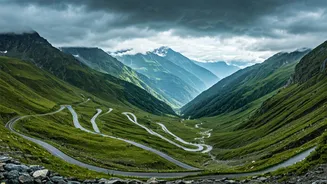
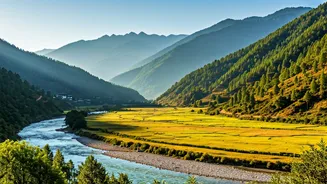
Nestled in the rugged mountains of Ladakh, about 45 kilometres from Leh, lies the Hemis Monastery. As the largest and wealthiest monastery in the region, it’s a spiritual hub for the Drukpa lineage of Buddhism. For most of the year, it’s a place of quiet
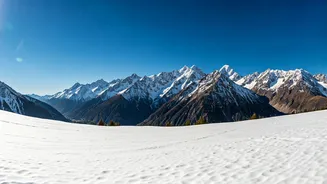
contemplation, its walls echoing with the soft chants of monks. But for two days every summer, its vast courtyard transforms into a grand stage. The festival's setting is as much a part of the experience as the event itself. The monastery, perched dramatically on a mountainside, provides a stunning backdrop of barren, snow-dusted peaks against a piercingly blue sky. Pilgrims, locals, and travellers from across the globe flock here, creating a vibrant tapestry of faces and traditional attire against the ancient stone.
A Birthday Celebration for a Great Master
At its heart, the Hemis Festival celebrates the birth anniversary of Guru Padmasambhava, also known as Guru Rinpoche. Revered as the 'Second Buddha', he is credited with bringing Vajrayana Buddhism to Tibet and the Himalayan region in the 8th century. According to legend, his mission was to vanquish the dark forces and demons that hindered the spread of Buddhism, paving the way for its establishment. The festival, therefore, is not just a party; it is a powerful reaffirmation of the triumph of good over evil. Every ritual, chant, and dance performed during these two days is a tribute to his life and teachings, a living prayer meant to bring spiritual strength and ward off calamities.
The Heartbeat of Hemis: The Cham Dance
The main attraction of the Hemis Festival is the series of sacred masked dances known as 'Cham'. Performed by the resident lamas (monks) in the monastery's central courtyard, these dances are a form of moving meditation. Far from being just a performance, each step, gesture, and turn is meticulously choreographed and holds deep symbolic meaning. The dancers, clad in elaborate silk costumes and wearing larger-than-life masks, whirl and leap to the rhythm of traditional instruments like long horns (dungchen), cymbals, and drums. The slow, hypnotic movements are designed to invoke deities, narrate moral stories, and purify the ground on which they are performed. For the monks, it is an act of spiritual discipline; for the audience, it is a mesmerising spectacle that transcends language.
Decoding the Masks and Costumes
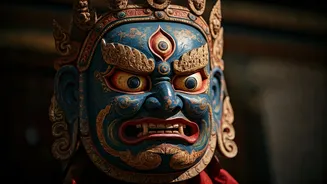
The masks are the most striking element of the Cham dance. Each one is a masterpiece, representing a specific character from Buddhist lore—from wrathful protector deities with terrifying expressions to serene gurus and skeletal figures symbolising the impermanence of life. These masks are not meant to be mere disguises; they are sacred objects believed to help the dancer embody the spirit of the deity they represent. The fierce-looking masks, often misunderstood by first-time viewers, are not evil. They are compassionate protectors, whose intimidating forms are meant to frighten away negative forces and guide sentient beings away from attachment and ignorance. The vibrant brocade robes and elaborate headgear add to the grandeur, turning each dancer into a living, moving sculpture.
More Than Just a Spectacle
While the Cham dances are a visual feast, the Hemis Festival is a deeply spiritual and communal event. For the Ladakhi people, attending the festival is a way to earn religious merit and receive blessings. Families dress in their finest traditional clothes, the women adorned with turquoise-studded 'perak' headdresses. The air is thick with the scent of burning juniper incense and the murmur of prayers. A bustling fair springs up around the monastery, where vendors sell local handicrafts, food, and religious artefacts. It's a time for socialising, feasting, and reinforcing cultural identity. For visitors, it offers a rare and profound window into a spiritual tradition that has remained vibrant for centuries, untouched by the frantic pace of the modern world.