


A Landscape in Crisis
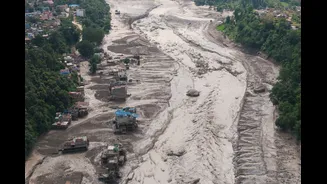
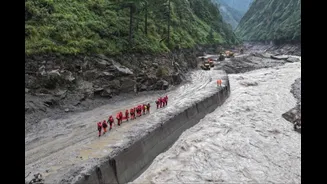
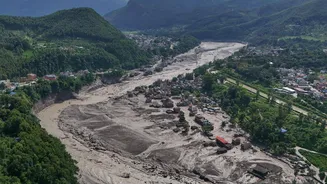
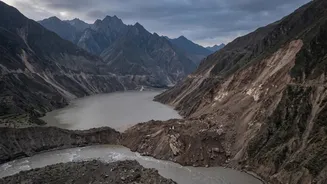
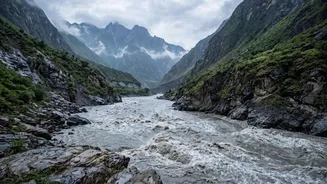
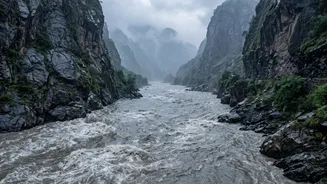
Recent flash floods in Nepal, particularly in districts like Rasuwa and Nuwakot, were triggered by a catastrophic avalanche and landslide event at the Nepal-Tibet border. This initial disaster on August 26, 2026, sent a wall of water, mud, and debris
downstream, killing over 160 people and leaving hundreds more missing. Such events are known as cascading hazards, where one disaster triggers another. Nepal's steep, fragile Himalayan topography makes it exceptionally vulnerable. Scientists note that climate change is intensifying these risks, accelerating glacier melt and making rainfall patterns more erratic, which can destabilize entire mountainsides.
The Invisible Threat of Disease
In the aftermath of a flood, one of the most immediate secondary threats is the outbreak of disease. Floodwaters contaminate clean water sources, creating a breeding ground for waterborne illnesses like cholera, diarrhoea, and typhoid. With health facilities often damaged or inaccessible, and thousands of people displaced into temporary shelters with inadequate sanitation, the risk of rapid transmission is high. The World Health Organization has highlighted concerns not only about waterborne diseases but also vector-borne illnesses, respiratory and skin conditions, and the profound impact on mental health as communities grapple with loss and uncertainty.
A Land on the Move
The danger from the landscape does not end when the water stops flowing. The immense volume of monsoon rain and floodwater saturates the soil on Nepal's hills and mountains. This makes them dangerously unstable, dramatically increasing the likelihood of further landslides long after the initial flood. These landslides can block roads, isolating already vulnerable communities and hampering relief efforts. In a country where much of the population lives on or near steep slopes, and where unplanned road construction often weakens the terrain, a delayed landslide can be just as deadly as the flood that preceded it.
The Crippling Economic Fallout
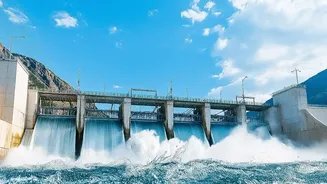
Beyond the immediate human tragedy, floods inflict a deep and lasting wound on Nepal's economy. The country's agricultural sector, the primary source of livelihood for over 60% of the workforce, is devastated. Floods wash away fertile topsoil, destroy crops, and kill livestock, threatening the food security of the entire nation. Critical infrastructure, including roads, bridges, and multi-million dollar hydropower plants—a cornerstone of the national economy—are frequently damaged or destroyed. These losses, which can run into hundreds of millions of dollars from a single major event, cripple development, impact the tourism sector, and force families who have lost everything into deeper poverty.
A Generation Displaced
For the hundreds of thousands displaced by floods, the crisis is personal and prolonged. Families lose not just their homes, but their entire livelihoods and sense of security. According to UNICEF, the impact on children is particularly severe, cutting them off from schools, healthcare, and a stable environment, leaving behind fear and trauma. The road to recovery is long, as displaced people often spend months or even years in temporary shelters, facing uncertainty and a struggle to rebuild their lives from nothing. This displacement creates a cycle of vulnerability, making communities more susceptible to the impacts of future disasters.