


From Sameness to Soul
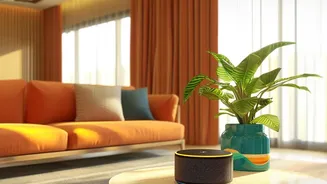
There was a time when modern interiors felt like they were pulled from the same catalogue, no matter where you were in the world. Standardised furniture, modular fittings, and machine-made finishes made homes look clean and new, but also strikingly similar.
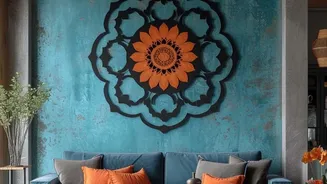
This era of uniformity is fading as a new desire for individuality takes hold. Homeowners today are seeking more than just aesthetics; they want their spaces to tell a story. This has sparked a quiet but powerful renaissance of artisanal craftsmanship in Indian homes. The goal is no longer perfection, but personality. Instead of clutter, the focus is on curating a few intentional, meaningful pieces that bring warmth and authenticity to a space.
The Soul of the Handmade
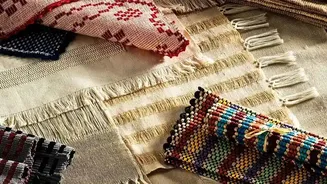
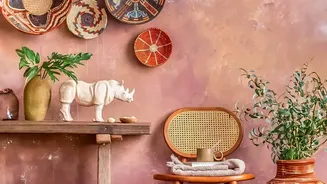
In a world dominated by technology, the appeal of the human touch has grown immensely. Unlike factory-made items, a handcrafted object is unique. Its subtle irregularities—a slight variation in colour, a visible texture, a hand-carved line—are not flaws but marks of authenticity and effort. Each piece carries the story of its maker, their skills passed down through generations, and the cultural heritage of its region. This emotional resonance is something mass production cannot replicate. As a result, homeowners are increasingly choosing handmade decor not just for how it looks, but for the soul and connection it brings into their personal spaces. These objects, from hand-thrown pottery to intricate metalwork, transform a house into a home that feels lived-in and deeply personal from day one.
A Spotlight on Reimagined Crafts
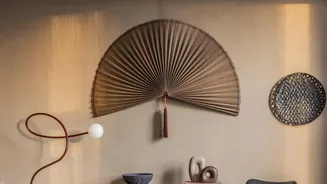
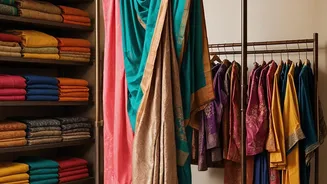
The trend is not about turning homes into museums of traditional crafts, but about integrating them into contemporary life. Designers and artisans are collaborating to give age-old techniques a modern flair. For instance, Channapatna toy-craft, traditionally used for small wooden toys, is now being scaled into stunning, modular light fixtures. The ancient metal-casting technique of Dhokra from Bastar is used to create sculptural figurines that sit elegantly on minimalist consoles. Hand-block prints from Rajasthan are appearing on sleek upholstery and wallpapers, adding a splash of pattern to neutral rooms. Even natural materials like bamboo and cane, long used in the Northeast, are being fashioned into contemporary lampshades and furniture that blend seamlessly with global design aesthetics like Japandi.
More Than Decor: A Conscious Choice
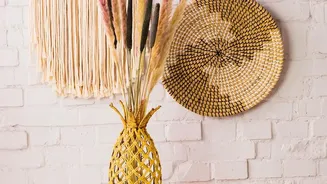
This movement towards handmade objects is also driven by a growing consciousness among consumers. There is an increasing awareness of sustainability, prompting a shift toward natural, locally sourced materials like wood, clay, jute, and cane. These materials are not only eco-friendly but also age beautifully, developing a patina over time that adds to their character. Furthermore, choosing to buy handcrafted goods is an ethical decision. It directly supports local artisans and their communities, helping to preserve invaluable cultural heritage and skills that might otherwise fade away. In a very real sense, purchasing a handmade item becomes an investment in people, culture, and a more sustainable future.