


More Than Just a Condiment
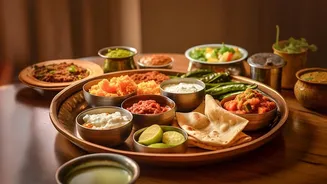
For generations, chutney has been the dependable sidekick of the Indian meal—a spicy, tangy, or sweet flourish to accompany a dosa, samosa, or simple plate of dal and rice. While classic mint, coconut, and tamarind chutneys remain beloved staples, a new
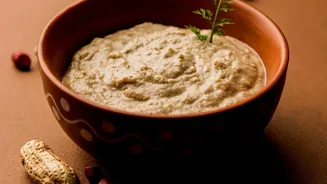
culinary movement is reframing the condiment as a lead character. Chefs and home cooks are digging deep into India's astonishingly diverse pantry, using the familiar format of chutney to showcase hyper-local ingredients that tell a story of a specific place, climate, and culture. It’s a trend that moves beyond flavour, transforming the simple chutney into a vibrant celebration of India's rich agricultural and culinary heritage.
The Fragrant King of Bengal
Take the Gondhoraj Lebu, the 'king of fragrance' from Bengal. This citrus is not prized for its juice, which is sparse, but for its intensely aromatic rind and leaves. A squeeze of its essence over a simple meal is a quintessential Bengali experience. Traditionally, its role was simple yet profound, elevating dal and rice to something special. Now, this fragrant lime is finding its way into contemporary kitchens. Creative cooks are crafting Gondhoraj chutney, a condiment that captures its unique floral and citrus notes. Beyond the chutney bowl, its flavour is being infused into everything from lassis and momos to modern cocktails, giving this regional specialty a national and even international stage.
Andhra's Sour and Spicy Star
Travel south to Andhra Pradesh and you’ll find Gongura, also known as Ambada or red sorrel leaves. Affectionately called 'Andhra Maata' (the Mother of Andhra), these leaves are celebrated for their distinctively sour taste. For years, Gongura has been the heart of regional dishes, most notably in dals and fiery pickles. The Gongura pachadi, or chutney, is a staple in the region, a powerhouse of tangy and spicy flavours that can make a simple meal of rice and ghee feel like a feast. Today, as interest in regional cuisines grows, this sour green is gaining wider recognition. Its bold flavour provides a perfect counterpoint in rich meat curries and offers a complexity that chefs are beginning to explore in new and exciting ways outside of its traditional heartland.
The Fiery Soul of the Northeast
In Northeast India, the Bhut Jolokia, or ghost pepper, reigns as one of the world's spiciest chillies. Far from being a mere novelty, it is an integral part of Naga and Assamese cuisine. In local homes, a fiery Bhut Jolokia chutney is a common feature, used to add a powerful kick to simple meals of rice and boiled vegetables. Some versions are made even more complex with the addition of Akhuni, or fermented soybeans, adding a deeply savoury, umami flavour to the intense heat. As culinary explorers look for authentic and bold flavours, these pungent and potent chutneys from the Northeast are offering a taste of a region whose culinary traditions are as rich as they are distinct.
A Renaissance of Regional Pride
So why is this happening now? This renewed interest is part of a broader cultural shift. There's a growing movement away from culinary homogeneity and a desire to reconnect with authentic, local food traditions. Chefs are consciously looking past imported, trendy ingredients and turning their attention to the wealth of produce in their own backyards—the wild melons of Rajasthan like kachri, the sour kokum of the Konkan coast, or the earthy stone flower (kalpasi) used in Chettinad cooking. By placing these ingredients at the heart of their menus, often in the accessible form of a chutney, they are not just creating new flavours but also preserving culinary knowledge and supporting regional biodiversity.