




More Than Just an Aesthetic
For Generation Z, minimalism is more than just clean lines and a neutral colour palette; it's a philosophy. In a world of constant digital noise and information overload, a simple, uncluttered home acts as a sanctuary. This approach isn't about deprivation
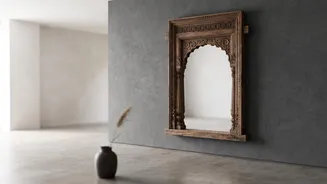
but intentionality—keeping only what adds value and serves a purpose. Faced with work pressures and the rising cost of living, Gen Z prioritises practical, low-maintenance spaces that reduce mental and visual clutter. The goal is to create a home that feels light and functional, allowing for mental clarity and focus in a chaotic world. Open space itself is seen as a form of luxury, fostering a sense of freedom that stuffed-to-the-gills interiors cannot offer.
The New Economic Reality
Economic factors play a huge role in this design shift. With soaring property prices and high rents in urban centres across India, many young people live in smaller apartments, studios, or shared spaces. This reality makes bulky, single-use furniture impractical. Instead, the focus shifts to pieces that earn their keep. This generation, often burdened by economic uncertainty, sees minimalism as a financially savvy choice. It encourages mindful consumption, prioritising quality over quantity and investing in durable items that last longer. This is a direct move away from the fast-fashion and disposable consumer culture of previous years, aligning with both financial prudence and a desire for a smaller environmental footprint.
A Mindset of Mobility and Sustainability
Gen Z values experiences over possessions and flexibility over permanence. Many embrace flexible work arrangements or 'career minimalism', where a stable job is supplemented by side hustles that provide passion and fulfilment. This desire for a more mobile lifestyle means that accumulating a large volume of belongings is undesirable. The solution is a curated collection of essentials that can move with them. Furthermore, this is arguably the most environmentally conscious generation, keenly aware of the impact of overconsumption. Choosing to buy less, investing in second-hand items, and prioritising sustainable brands are core values that find a natural home in minimalist design. Multi-functional furniture fits perfectly into this ethos, offering maximum utility with a minimal footprint.
The Rise of Convertible Furniture
The quintessential piece of smart furniture is one that transforms. A sofa-cum-bed is a classic example, serving as a comfortable seating area by day and a guest bed by night, making it ideal for studio apartments. Similarly, coffee tables with lift-up tops can become impromptu work desks or dining surfaces, while expandable dining tables can accommodate guests without permanently occupying a large area. These pieces are the workhorses of the modern small home, providing multiple functions within a single, stylish footprint.
Thinking Vertically: The Wall Is Your Friend
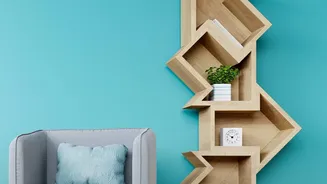
When floor space is at a premium, the only way to go is up. Utilising vertical space is a cornerstone of smart storage. Wall-mounted shelves, tall, slender bookcases, and floating cabinets draw the eye upward, creating an illusion of spaciousness while providing ample storage for books, plants, and decor. In the WFH era, a fold-down wall-mounted desk is a game-changer, offering a dedicated workspace that can be tucked away when the day is done. Even televisions are now commonly wall-mounted to free up floor space previously occupied by bulky media units.
Hidden Storage for Visible Serenity
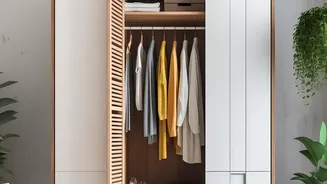
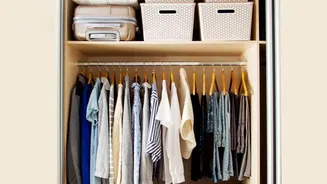
The secret to a visually calm space is having a place for everything, preferably out of sight. Multi-functional furniture excels at this. Ottomans and benches that open up to reveal hidden storage are perfect for stashing away blankets, magazines, or kids' toys. Beds with hydraulic lifts or built-in drawers underneath transform the largest piece of furniture in the room into a massive storage unit, eliminating the need for extra closets. These clever solutions keep daily clutter managed, contributing directly to the serene and organised environment that minimalism champions.