


Why Your Balcony Matters
As cities grow, natural habitats for pollinators like bees, butterflies, and birds are shrinking. These creatures are not just pretty visitors; they are essential for healthy ecosystems and even our food supply. A single balcony, no matter how small,
can become a vital 'stepping stone' habitat, offering a much-needed refuge for them to rest and feed. By creating a pollinator-friendly garden, you are contributing to a larger network of green spaces that help sustain local biodiversity amidst the concrete.
The Best Plants for Beauty and Bees
The key is choosing plants that are rich in nectar, suitable for pots, and visually stunning. Luckily, many Indian favourites fit this description perfectly. Marigolds (Genda) are hardy, bright, and a magnet for bees. Native Hibiscus (Gudhal) offers large, nectar-rich blooms for birds and insects alike. Fragrant Jasmine (Mogra) and the sacred Tulsi (Holy Basil) are irresistible to pollinators when they flower. For a splash of colour, consider easy-to-grow Zinnia, Cosmos, and Lantana, all of which are butterfly favourites and thrive in the Indian climate. Even flowering herbs like mint and rosemary can play a double role, serving both your kitchen and your local bees.
Designing for a Double Win
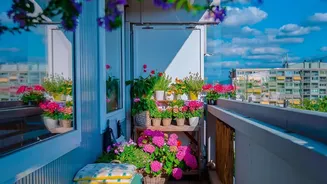
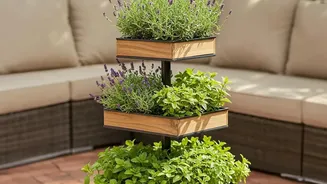
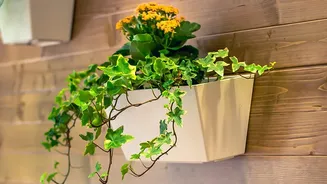
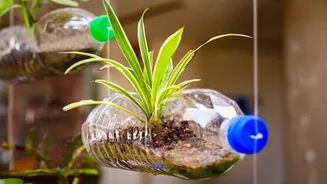
A pollinator garden does not have to look wild or untidy. The secret lies in thoughtful design. Create visual interest by using pots of varying sizes and heights. Grouping plants with similar colour palettes can create a powerful aesthetic statement, while clustering them also creates a more attractive landing zone for pollinators. Think in layers: use climbers like the Butterfly Pea (Aparajita) to cover railings, taller plants like sunflowers at the back, and cascading varieties like Portulaca in hanging baskets. This not only looks great but also provides a multi-level buffet for different types of visitors.
Go Beyond Just Flowers
A true haven offers more than just food. Pollinators also need water and shelter. You can easily provide this by placing a shallow dish of water with a few pebbles or stones in it. The stones give bees and butterflies a safe place to land and drink without the risk of drowning. Shelter can be as simple as grouping pots together to create dense foliage that acts as a windbreak or a hiding spot from predators. Most importantly, avoid using chemical pesticides. These sprays can be harmful to the very creatures you're trying to attract. Often, a healthy garden with a natural balance will keep pests in check on its own.
Low Maintenance, High Impact
A beautiful, life-sustaining garden should be a joy, not a chore. Choose native or climate-appropriate plants that are naturally hardy and require less intervention. Plants like Vinca (Sadabahar), Portulaca, and Marigold are famously low-maintenance and thrive in Indian conditions. Ensure your pots have good drainage to prevent waterlogging, and water plants early in the morning. Deadheading, or pinching off spent blooms, is a simple task that encourages many plants like marigolds and zinnias to produce more flowers, ensuring a continuous food supply for pollinators and a longer-lasting display for you.