





From Pet Owner to Pet Parent
The relationship between Indians and their pets is undergoing a profound change. The term “pet owner” is increasingly being replaced by “pet parent,” a shift in language that signals a deeper emotional bond. This phenomenon, known as pet humanization,
is the primary force behind the industry's explosive growth. Pets are no longer just animals; they are considered family members, deserving of the same level of care and comfort as children. This cultural transition has unlocked a new willingness to spend. The Indian pet care market, valued at approximately ₹30,434 crore in 2024, is projected to surge to an astonishing ₹2.1 lakh crore by 2032. This growth isn’t just about more people getting pets; it’s about how much more each person is willing to invest in their well-being.
What Does Premium Pet Care Look Like?
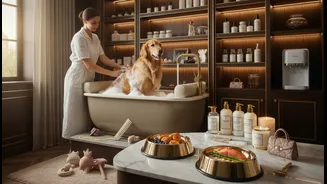
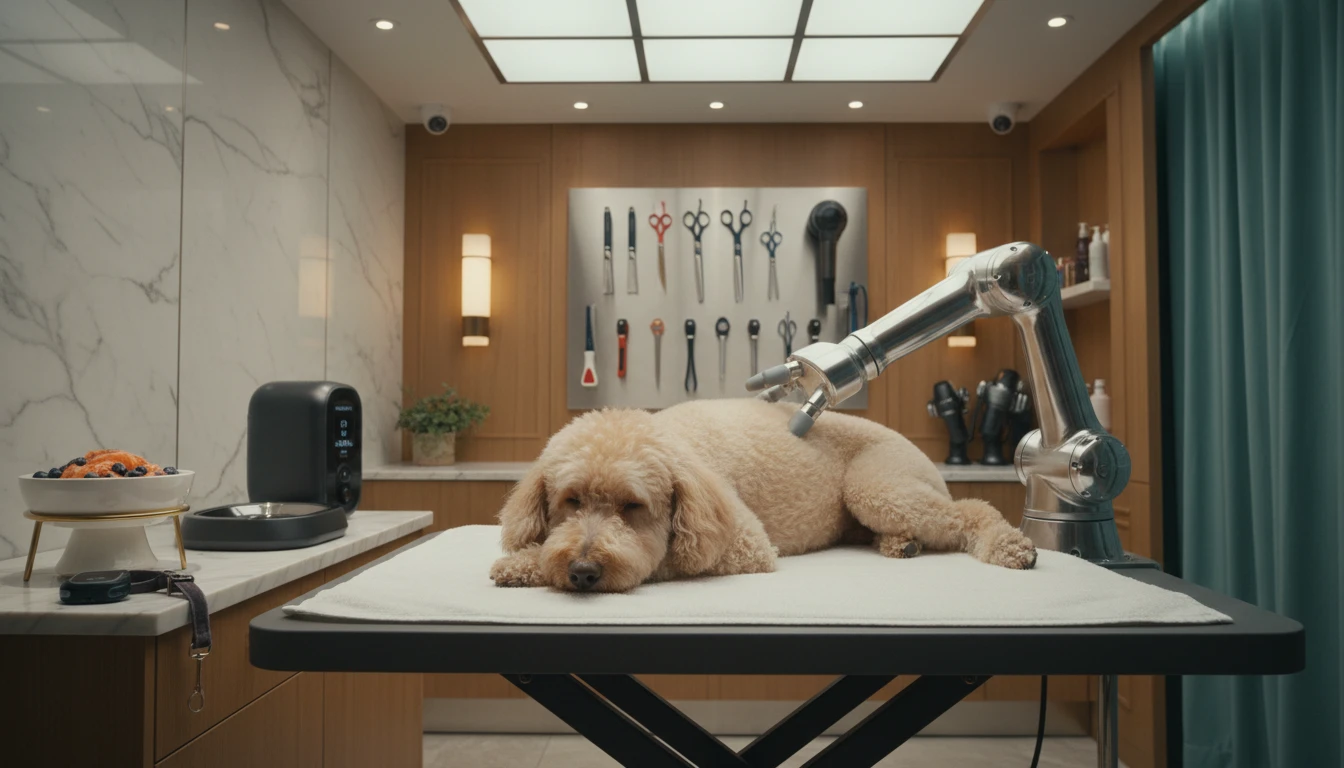
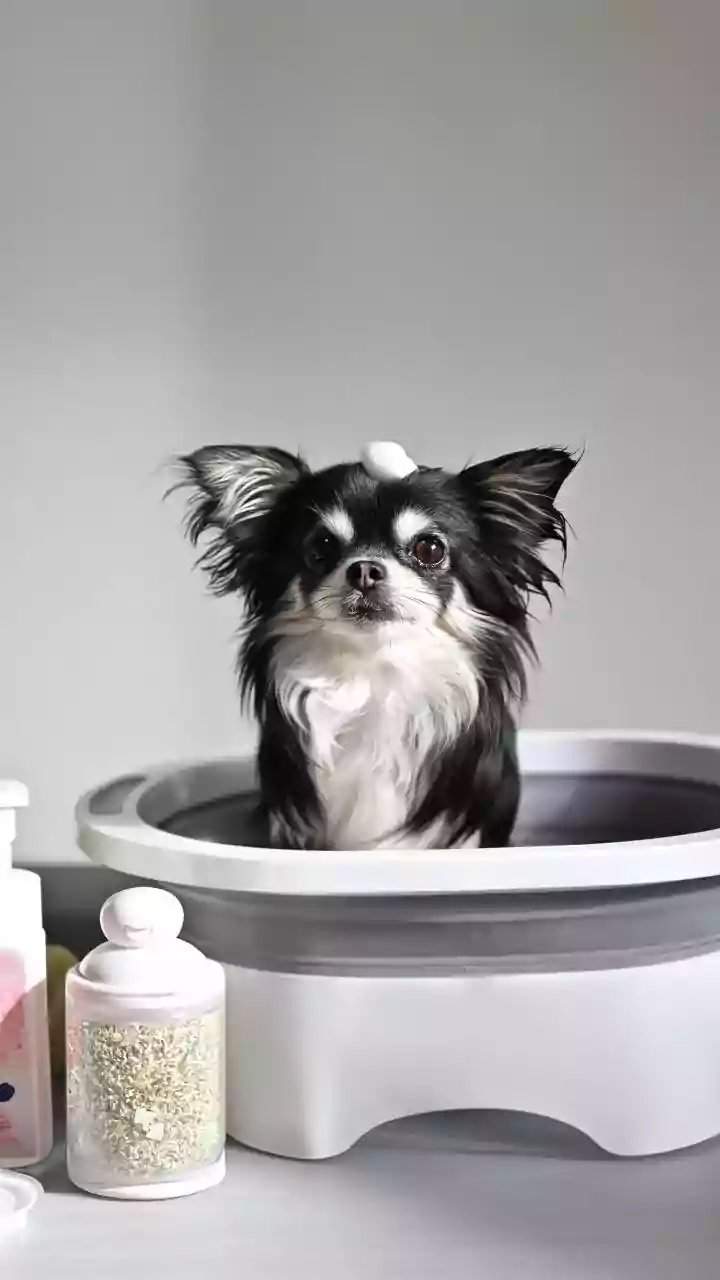
The new pet economy extends far beyond basic kibble. Today’s pet parents can access a dazzling array of products and services that were once considered extreme luxuries. This includes grain-free and freshly cooked meals, sometimes customized for a pet’s specific dietary needs. Grooming has evolved from a simple bath to elaborate spa sessions, with some facilities offering services that rival human wellness centers. Startups and established brands now offer everything from pet insurance and behavioural therapy to dog-walking apps and daycare facilities with swimming pools. There are even five-story luxury pet resorts complete with in-house hospitals and bakeries serving custom cakes. This premiumisation is evident in sales data, with quick commerce platforms reporting surges in searches for items like dog shampoo (up nearly 600%) and sales of grain-free food (up 152%).
The Social and Economic Drivers
Several key factors are fueling this boom. Rising disposable incomes, particularly among the urban middle and upper-middle class, provide the financial capacity for this increased spending. Urbanization and the rise of nuclear families have also played a crucial role. In bustling cities, where people may experience loneliness or delayed marriage, pets offer vital companionship and emotional support. The COVID-19 pandemic significantly accelerated this trend, with a surge in pet adoptions during lockdowns strengthening the human-animal bond. Millennials and Gen Z are at the forefront of this movement, using social media to share their pet parenting journeys and discover new products, further driving demand for high-quality, aspirational pet care.
A New Frontier for Business
This shift in consumer behaviour has created a vibrant and competitive marketplace. The industry is seeing an influx of startups and investment, with digital-first platforms transforming how people shop for their pets. Companies like Heads Up For Tails, which started as a small kiosk, have grown into major retail and spa chains. Digital platforms and quick-commerce apps like Instamart are making premium products more accessible than ever, even delivering specialized items in minutes. This growth is also expanding geographically. While metro areas like Bengaluru, Delhi, and Mumbai lead the charge, Tier-II cities are showing explosive growth in pet care spending, indicating a nationwide trend. This burgeoning market offers significant opportunities for innovation, from tech-enabled services like tele-veterinary consultations to niche products like eco-friendly accessories and health supplements.