






A Symbiotic Surge
From the gleaming skyscrapers of Dubai to the ambitious giga-projects of Saudi Arabia, a new economic reality is taking shape, and it is being fuelled by Indian tourists. West Asian nations, in a strategic pivot away from oil dependency, are investing
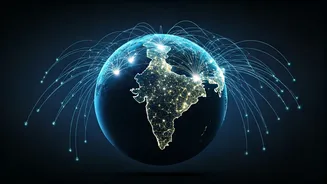
billions into their tourism sectors. At the same time, India's burgeoning middle class, with rising disposable incomes and a strong appetite for international travel, has found its ideal match: world-class destinations that are just a short flight away. This confluence of interests has turned the India-West Asia corridor into one of the world's most dynamic travel markets. Countries across the Gulf are not just welcoming Indian tourists; they are actively courting them, viewing India as a strategic market essential for their long-term economic diversification.
The Numbers Tell the Story
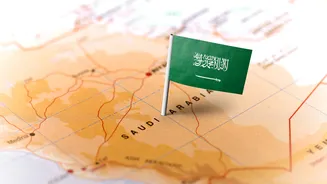
The statistics are compelling. India is consistently ranked as the top source market for tourism in the UAE. In the first five months of 2026 alone, Oman recorded a staggering 3,31,365 Indian arrivals, a 36% increase over the previous year. Saudi Arabia, as part of its ambitious Vision 2030 plan, aims to attract 7.5 million Indian visitors annually by the end of the decade. The demand is resilient; despite regional conflicts that caused temporary dips, travel platforms report that Indian traveller confidence is quickly rebounding, with destinations like Dubai, Abu Dhabi, and Doha seeing a strong recovery in bookings. This surge is driven by a diverse mix of travellers, including families on vacation, corporate travellers, large MICE (Meetings, Incentives, Conferences, and Exhibitions) groups, and those visiting friends and relatives.
Making Travel Effortless
A key driver of this trend has been the concerted effort by Gulf countries to simplify entry for Indian passport holders. The introduction of the GCC Unified Tourist Visa, a Schengen-style permit allowing travel across all six Gulf states (Saudi Arabia, UAE, Qatar, Oman, Kuwait, and Bahrain) on a single application, is a game-changer. This replaces the cumbersome process of applying for multiple individual visas, making multi-country trips more feasible and affordable. Beyond this, individual nations have been proactive. Saudi Arabia has launched a 'Package Visa' pilot, integrating visa, flight, and accommodation bookings into one seamless process. The UAE and Oman have also streamlined their visa-on-arrival and e-visa systems for Indians.
More Than Just a Stopover
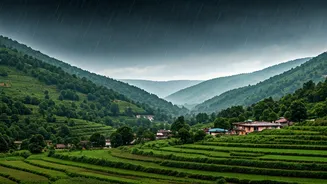
West Asian nations are rolling out the red carpet, tailoring their offerings specifically for the Indian market. This goes far beyond simply adding more Indian restaurants. Hotels in Ras Al Khaimah, for instance, are targeting the lucrative 'Big Fat Indian Wedding' segment, a high-yield market that can involve buying out entire resorts for days. Saudi Arabia is forging partnerships with entities like the TATA Indian Premier League (IPL) to position itself as a premier leisure destination. The strategy involves a deep understanding of the Indian traveller's preferences, from family-friendly entertainment and luxury shopping to specific culinary needs and cultural festivities. Destinations like Oman are promoting unique experiences like the Khareef monsoon season in Salalah, which appeals directly to Indian travellers seeking lush, green landscapes.
Building for the Future
The push is supported by massive investments in infrastructure. Increased flight connectivity is crucial, with Gulf carriers and Indian airlines like IndiGo and Air India Express adding new routes and increasing frequencies between Indian cities and the region. The launch of new airlines like Riyadh Air is set to further boost capacity. This is complemented by the development of new attractions, from Saudi Arabia’s luxury Red Sea resorts and entertainment city Qiddiya to the cultural revival of Diriyah Gate. These projects are not just being built with a generic international audience in mind; they are being developed with a clear eye on attracting the massive and growing Indian travel market for decades to come.