





1. Beware of Electrical Hazards
Water and electricity are a deadly combination, a risk that multiplies across Indian cities during the monsoon. Flooded streets can conceal downed power lines or submerge electrical junction boxes, creating invisible hazards. Electrocution is a serious
risk for pedestrians wading through waterlogged areas. Never touch electrical poles or wires, and report any fallen cables to the authorities immediately. It's also wise to avoid using plugged-in appliances during a heavy thunderstorm, as lightning strikes can cause power surges that damage devices and pose a threat to your safety. When commuting, be especially mindful of your surroundings and choose routes that are less prone to severe waterlogging, even if it means taking a longer path. At home or in the office, avoid handling switches or appliances with wet hands and ensure outdoor electrical points are properly insulated with weatherproof covers.
2. Navigate Waterlogged Roads with Caution
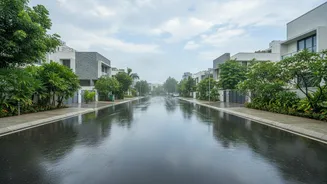
Wading through stagnant, dirty water is often unavoidable during a monsoon commute, but it comes with significant health risks. This water is a breeding ground for bacteria and viruses that can cause diseases like leptospirosis, cholera, typhoid, and various fungal infections. If you must walk through puddles, wear waterproof footwear like rubber boots to protect your feet. Try to wash your feet and legs with soap and clean water as soon as you reach your destination, and dry them thoroughly to prevent fungal infections. For those driving, it’s crucial to never underestimate the depth of a waterlogged patch. Hidden potholes or open manholes can cause severe damage to your vehicle or lead to accidents. If water levels seem high, it is always safer to find an alternative route or wait for the water to recede.
3. Prepare Your Vehicle for the Rain
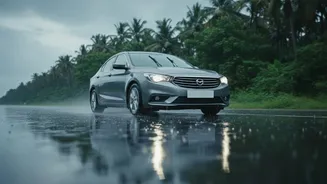
If you commute by car or two-wheeler, a pre-monsoon check-up is non-negotiable. The most critical components for rainy conditions are your tyres, brakes, and lights. Ensure your tyres have adequate tread depth to grip slippery roads and prevent hydroplaning—a dangerous situation where your vehicle skids uncontrollably on a thin layer of water. Check that your brakes are responsive and don't make any unusual noises. Good visibility is just as important. Replace worn-out wiper blades that leave streaks on the windshield and top up the washer fluid. During heavy rain, always use your low-beam headlights, even during the day, to make your vehicle more visible to other drivers and pedestrians. Finally, make sure all your lights—headlights, tail-lights, and indicators—are clean and functioning correctly.
4. Assemble a Monsoon Commuter Kit
A little preparation goes a long way in making your monsoon journey less stressful. Pack a dedicated 'monsoon kit' to keep in your bag. The most important item is a way to protect your electronics; use a waterproof backpack or carry zip-lock pouches for your phone, wallet, and other gadgets. A compact, sturdy umbrella and a lightweight raincoat are essential for staying dry. It's also a good idea to pack a small microfibre towel to dry off once you arrive. Given the unpredictability of monsoon traffic, journeys can take much longer than expected. Carry a power bank to ensure your phone doesn't run out of battery, and pack a bottle of clean drinking water and a small snack. Keeping a spare pair of dry socks or even a change of clothes at the office can make a huge difference to your comfort for the rest of the day.
5. Stay Informed and Adapt Your Plans
In the monsoon, flexibility is key. Before you leave for work, check the weather forecast and use real-time traffic apps to identify waterlogged areas, accidents, or major traffic jams on your route. This allows you to make informed decisions, such as leaving earlier than usual or taking an alternative, less-affected route. If public transport is your mode of commute, be aware that services may be delayed or rerouted. Many transport authorities now provide live updates through apps or social media. During periods of extremely heavy rainfall, authorities may issue advisories asking people to stay home if possible. If your job allows for it, check with your employer about flexible work arrangements on such days. Prioritizing safety over punctuality is the smartest move you can make.